






































GSM comes up in almost every tensile fabric conversation, but it's often treated as the single number that defines quality — it isn't. GSM measures weight, which is a real, useful proxy for durability, but it's one spec among several, and a higher number isn't automatically the right choice. Here's what it actually tells you, and how to think about it for your own project.
In This Guide
What GSM Actually Measures
GSM — grams per square meter — is a direct weight measurement of the fabric: cut a one-meter square of it and weigh it, that's the GSM. A heavier fabric generally means a thicker, more robust base material and coating layer, which is why GSM is used as shorthand for durability. But weight alone doesn't capture tensile strength, coating quality, or fire/UV certification — those are separate specs that matter just as much.
Typical GSM Ranges by Fabric Grade
| Fabric Grade | Typical GSM Range | Fabric Thickness |
|---|---|---|
| PVC-coated polyester | 650-1100 GSM | Typically 0.5mm-1.2mm |
| PTFE-coated fiberglass | 800-1200 GSM | Typically 0.5mm-1.2mm |
| PVDF-coated polyester | Comparable to PVC base weight | Typically 0.5mm-1.2mm |
These are industry-general ranges, not fixed numbers — the exact GSM within each range depends on the specific supplier's fabric and your project's requirements. See our PVC vs PTFE vs PVDF guide for the full grade comparison beyond just weight.
Why GSM Matters — and Where It Doesn't
A heavier fabric generally holds up better under sustained wind, UV, and continuous mechanical stress — which is exactly why large-span, high-traffic, or public-infrastructure projects specify fabric toward the higher end of the GSM range. But for a smaller garden gazebo or a lightweight residential structure with a shorter expected service life, that extra weight and cost doesn't buy you a proportional benefit. GSM matters in proportion to how hard the structure will actually work.
There's also a structural-load side to this that's easy to overlook: a heavier fabric adds real weight the supporting frame and foundation have to carry, so specifying GSM higher than a project needs doesn't just add material cost — it can push up frame and footing costs too, for a durability benefit the site was never going to use.

GSM Isn't the Whole Picture
Tensile strength, coating type, and certification (fire-retardant ratings, UV-stabilization) all sit alongside GSM as real quality indicators — a fabric can be heavy and still underperform if the coating or base weave is poor. When we recommend a fabric grade, GSM is one input into that recommendation, not the sole criterion. This is also why comparing two fabrics purely by GSM number, without knowing the coating type behind it, doesn't tell you which one is actually better suited to your project.
This distinction matters most when comparing quotes from different suppliers — a lower-GSM fabric from a supplier with a stronger coating and weave quality can genuinely outperform a heavier fabric with a weaker one, so a GSM number alone isn't a reliable way to compare two different quotes. We'd rather walk you through the full spec (GSM, coating, certification) than let a single number stand in for the whole picture.
Choosing the Right GSM for Your Project
- Span and structural load: a larger span generally calls for a heavier-GSM, higher-tensile-strength fabric to safely carry the load.
- Continuous exposure and traffic: a structure in constant use (a stadium, an airport walkway) benefits from the durability a higher-GSM PTFE grade provides.
- Expected service life: a longer-life installation justifies a heavier, longer-lasting fabric; a shorter-term or budget-conscious project doesn't need to over-specify.
- Light transmission needs: if natural light matters (a skylight section, for example), a lighter or specifically translucent grade may be the better fit than simply the heaviest available fabric.
How GSM Affects Cost
Heavier fabric costs more per square meter, both in raw material and in the frame/support structure needed to carry the added weight — so specifying GSM higher than a project actually needs adds cost without a proportional benefit.
Tensile Fabric Structure — From ₹360/sq.ft.
Related Guides


Where GSM Matters Most
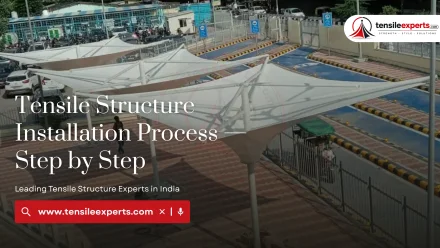
Fabric weight is a real, specific consideration on a couple of our industry pages in particular. Our Industrial & Warehousing guide leans on the heavier end of the PTFE/PVDF range for large industrial roof spans, and our Transport & Infrastructure guide specifies higher-GSM PTFE for continuous, high-footfall public sites like airports and toll plazas — both genuinely benefit from the added durability a heavier fabric provides.
Explore by Product
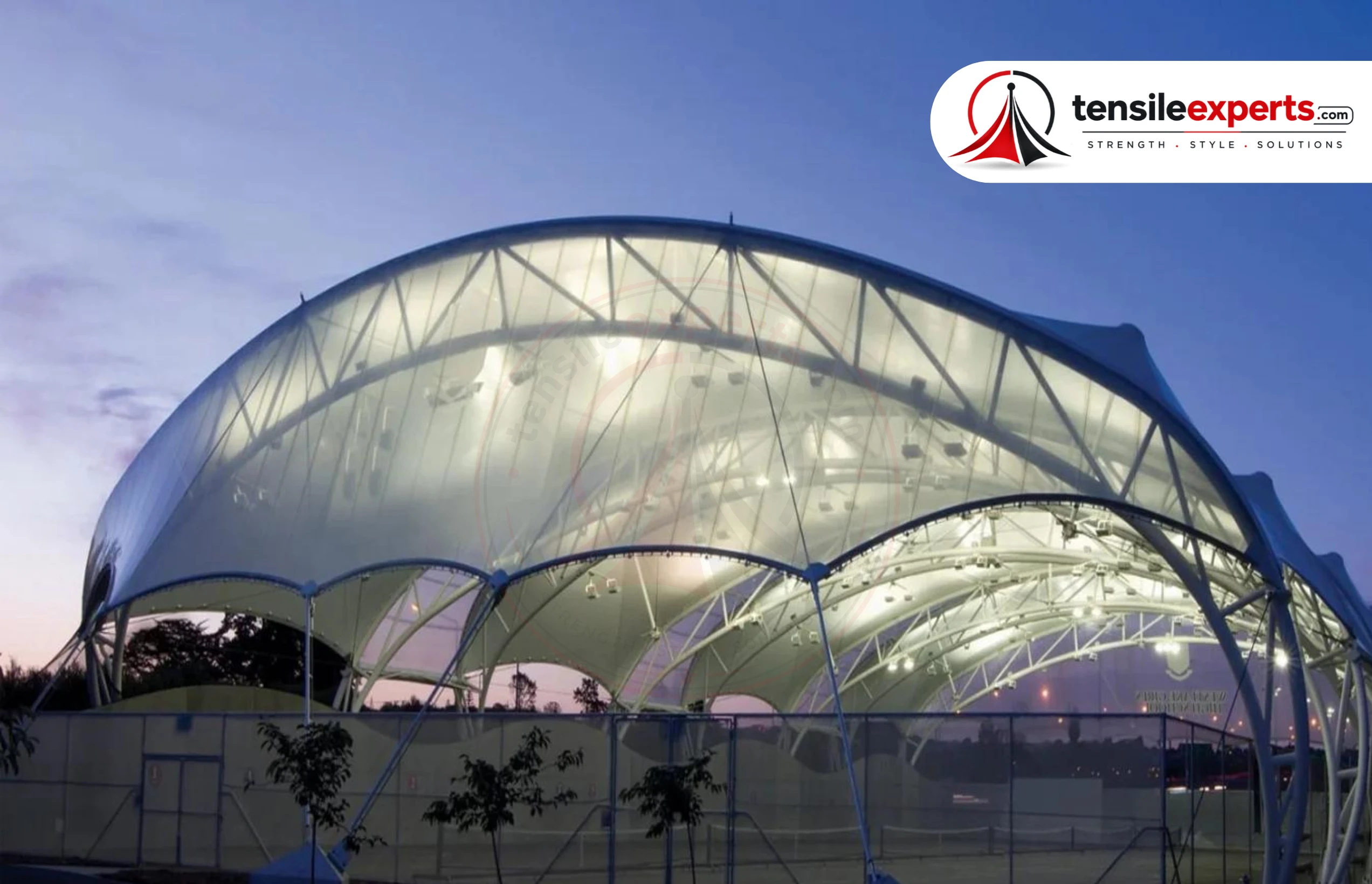

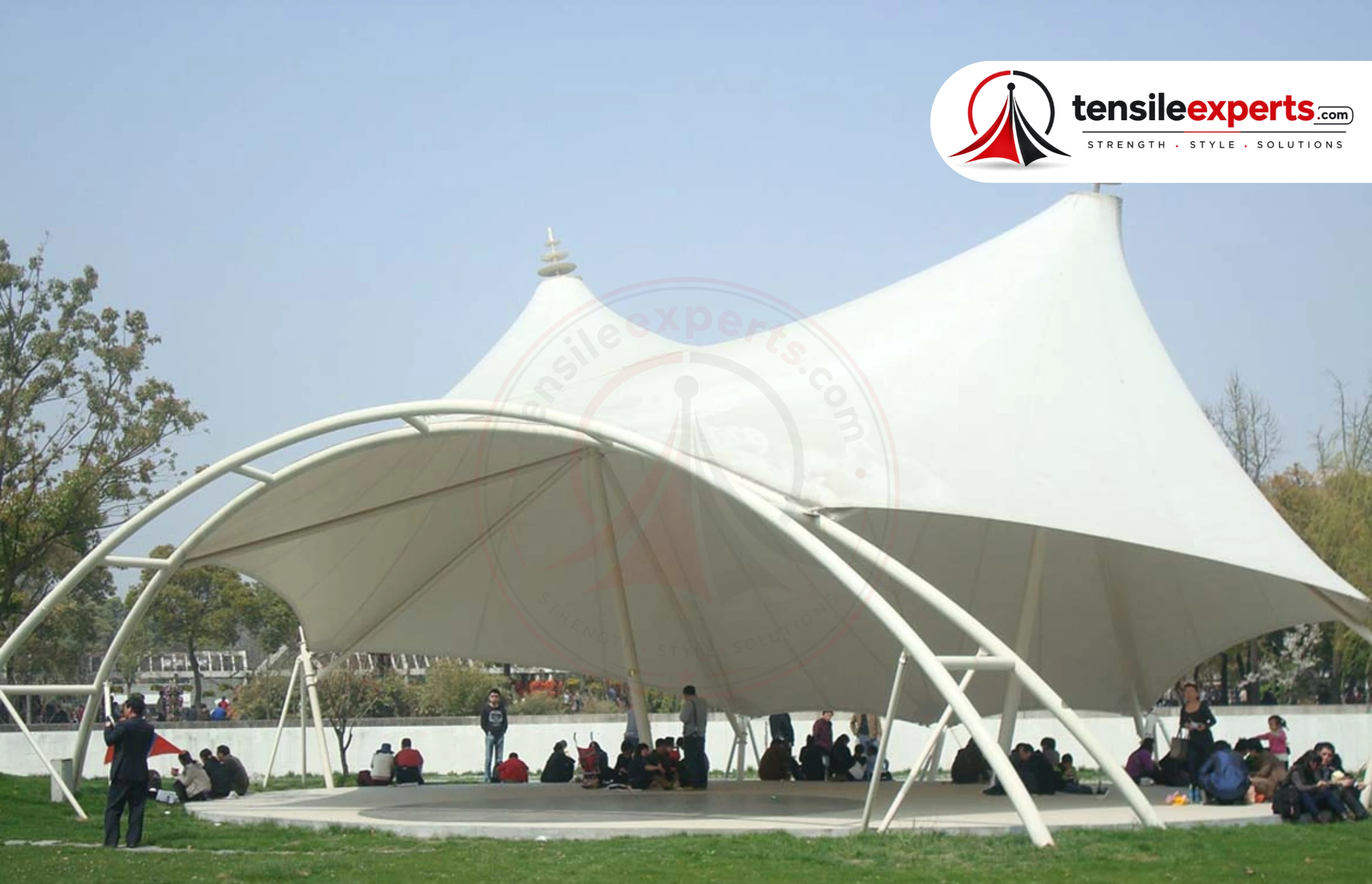
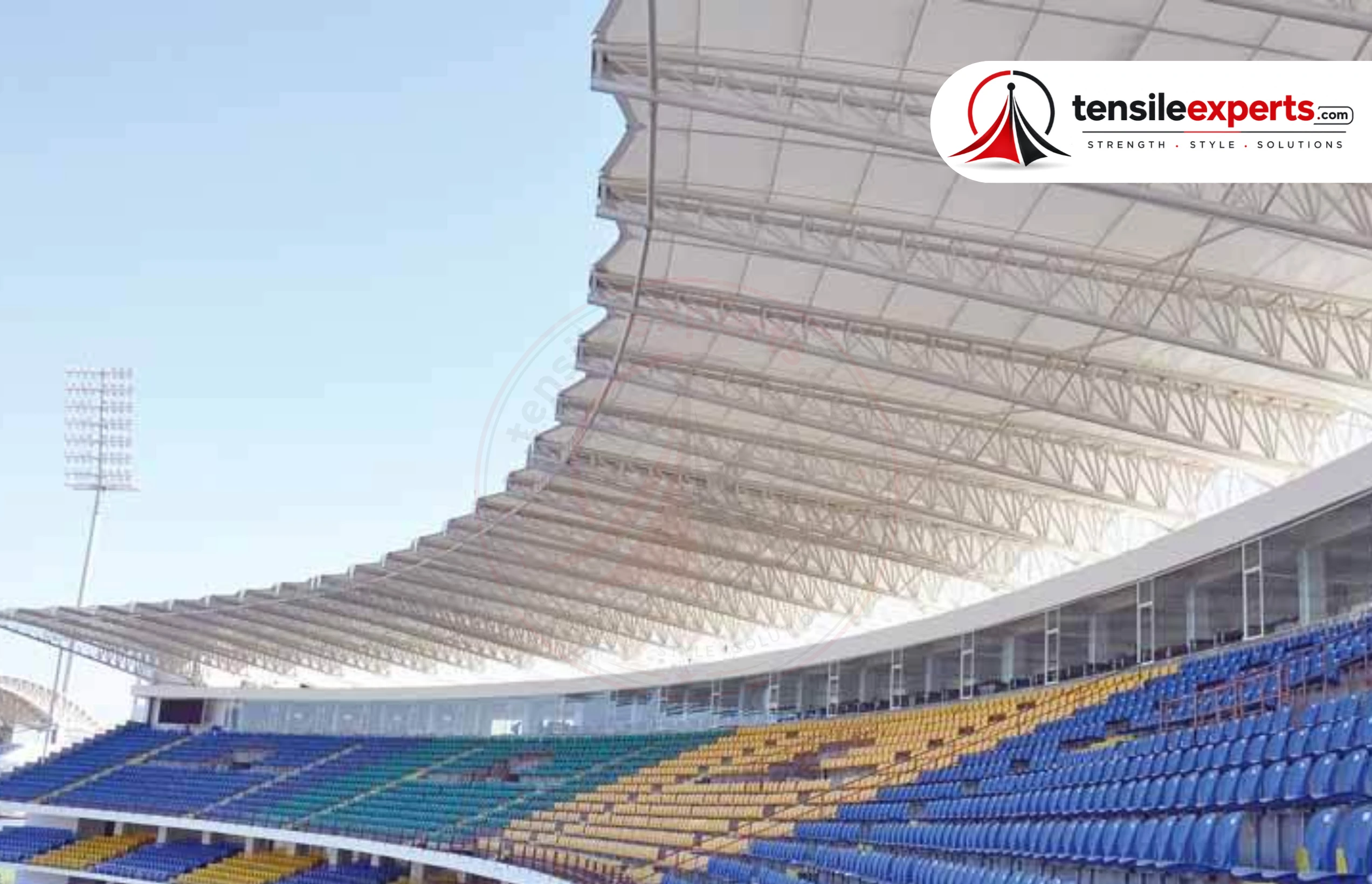

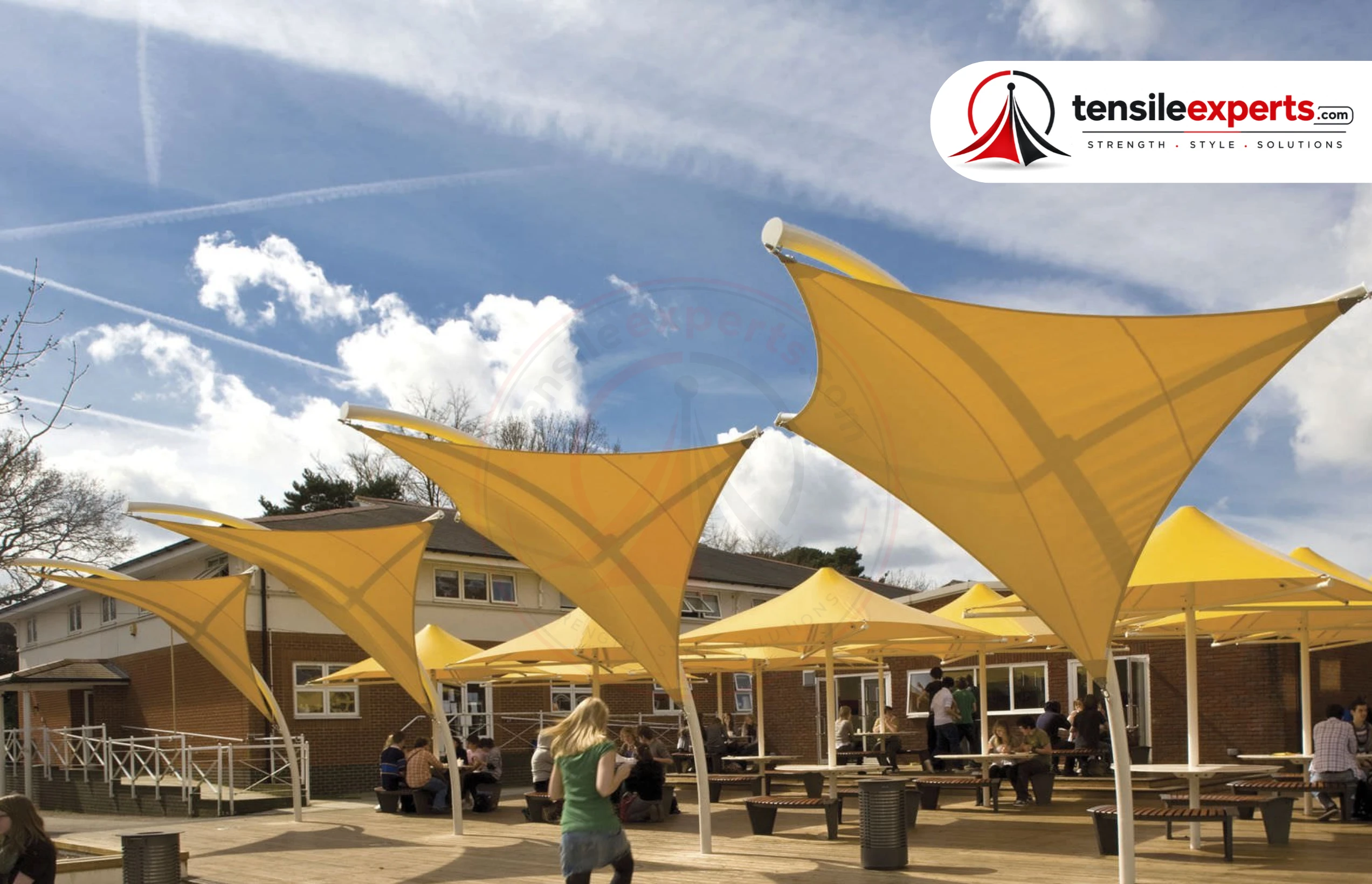
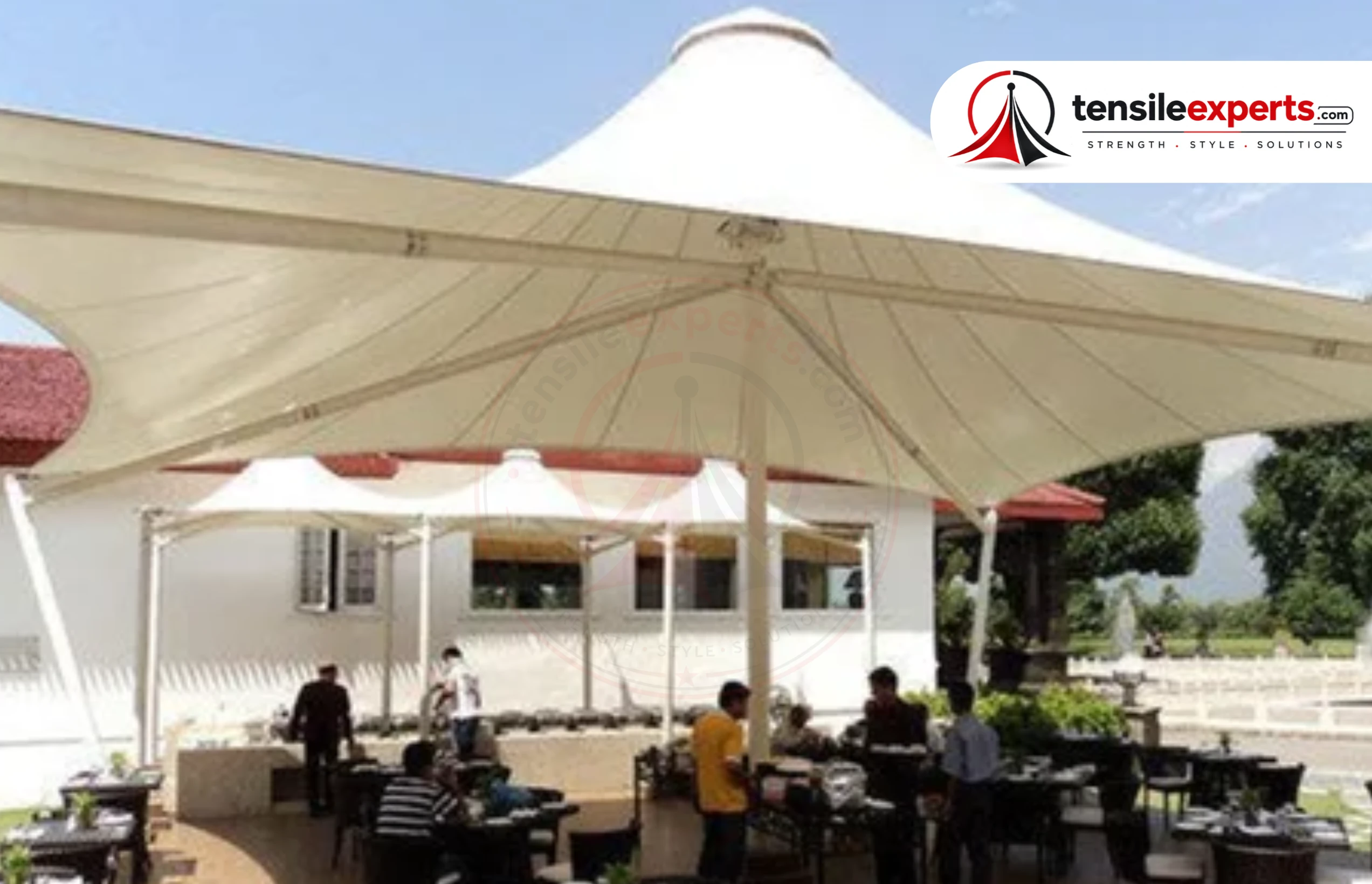
See the full product directory for everything we design and fabricate.
Frequently Asked Questions
Not sure what GSM your project needs? Get in touch for a free site consultation.