






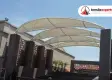
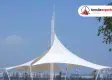


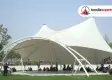




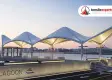










Stadium Tensile Structure
Stadium Tensile Structure in Delhi
A Stadium Tensile Structure in Delhi isn't a one-size-fits-all installation — usage, exposure, and site access all shape the final design. Below, you'll find what actually goes into ours: real project photography, current starting pricing, the fabric grades we recommend, and the process we follow from first site visit to handover — the details worth checking before you commission a Stadium Tensile Structure in Delhi.
From ₹400/sq.ft.
Indicative starting price. Final pricing depends on size, design, fabric, structure, foundation, installation and site conditions.
Available for Custom Projects
Starting price · Updated Aug 2026
 Real project imagery
 In-house project delivery
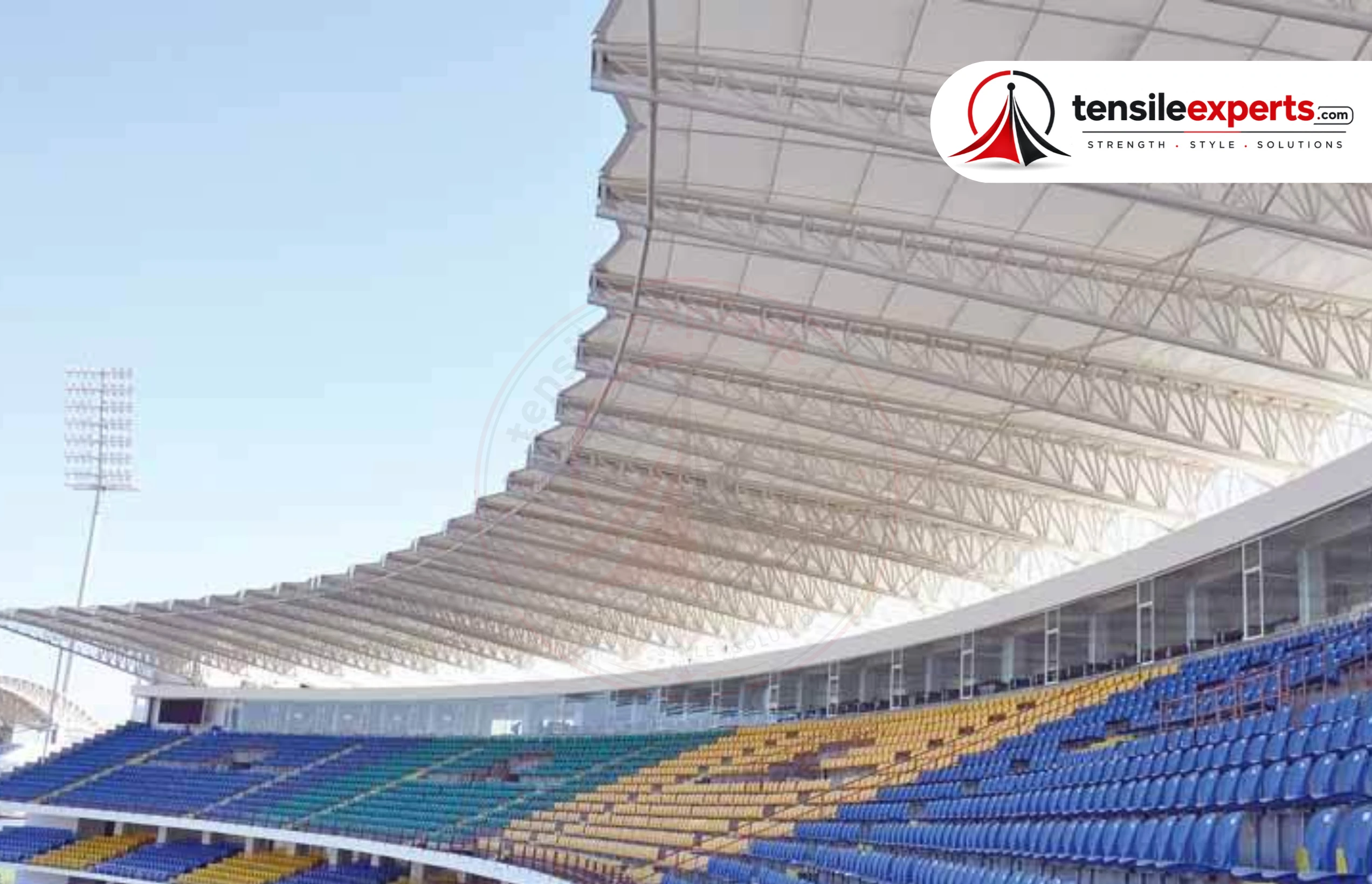
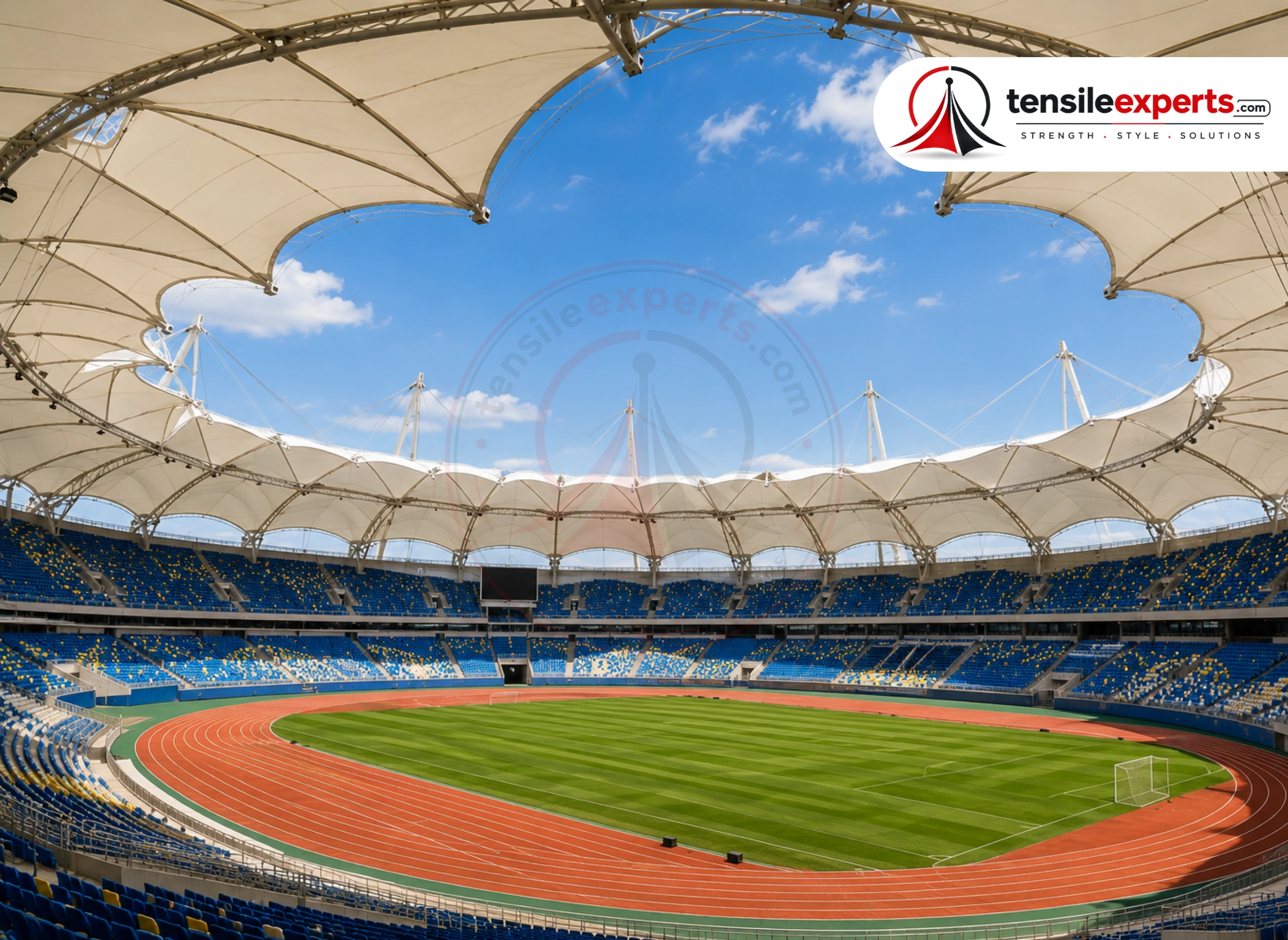
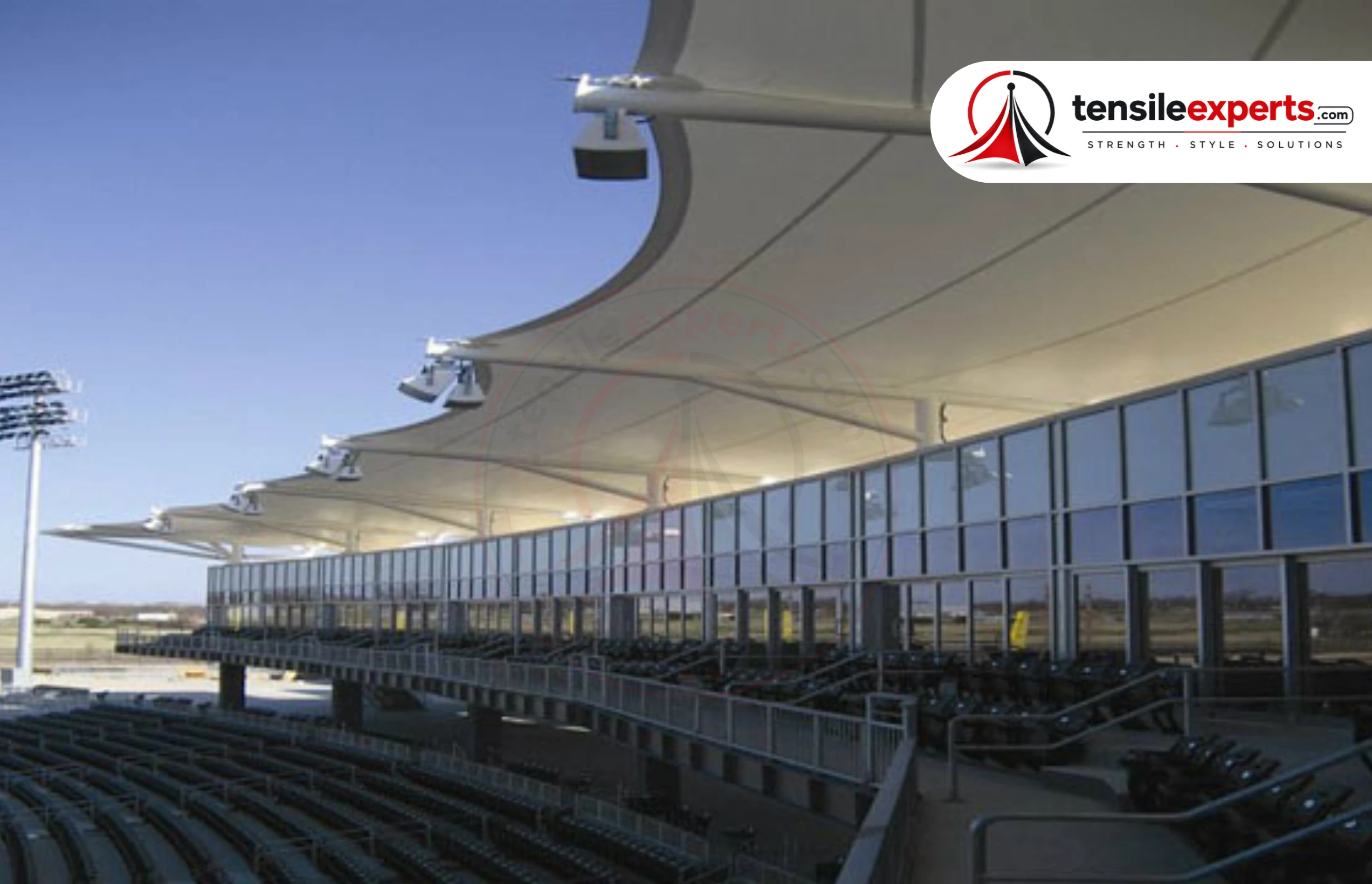
Large-span tensile roofing for stadiums, sports courts, and spectator stands. Every structure is engineered to your site's dimensions — we don't work from a fixed catalog size.
As one of India's major metro markets, Delhi projects are usually shaped more by dense-site logistics — access roads, height clearances, and municipal approval norms — than by any single climate factor, so we plan crane access and site sequencing alongside the structural design.
Tensile Experts designs, fabricates, and installs Stadium Tensile Structure for clients in Delhi and across India. We also support projects from nearby Delhi-NCR, Mumbai, Chennai, Hyderabad.
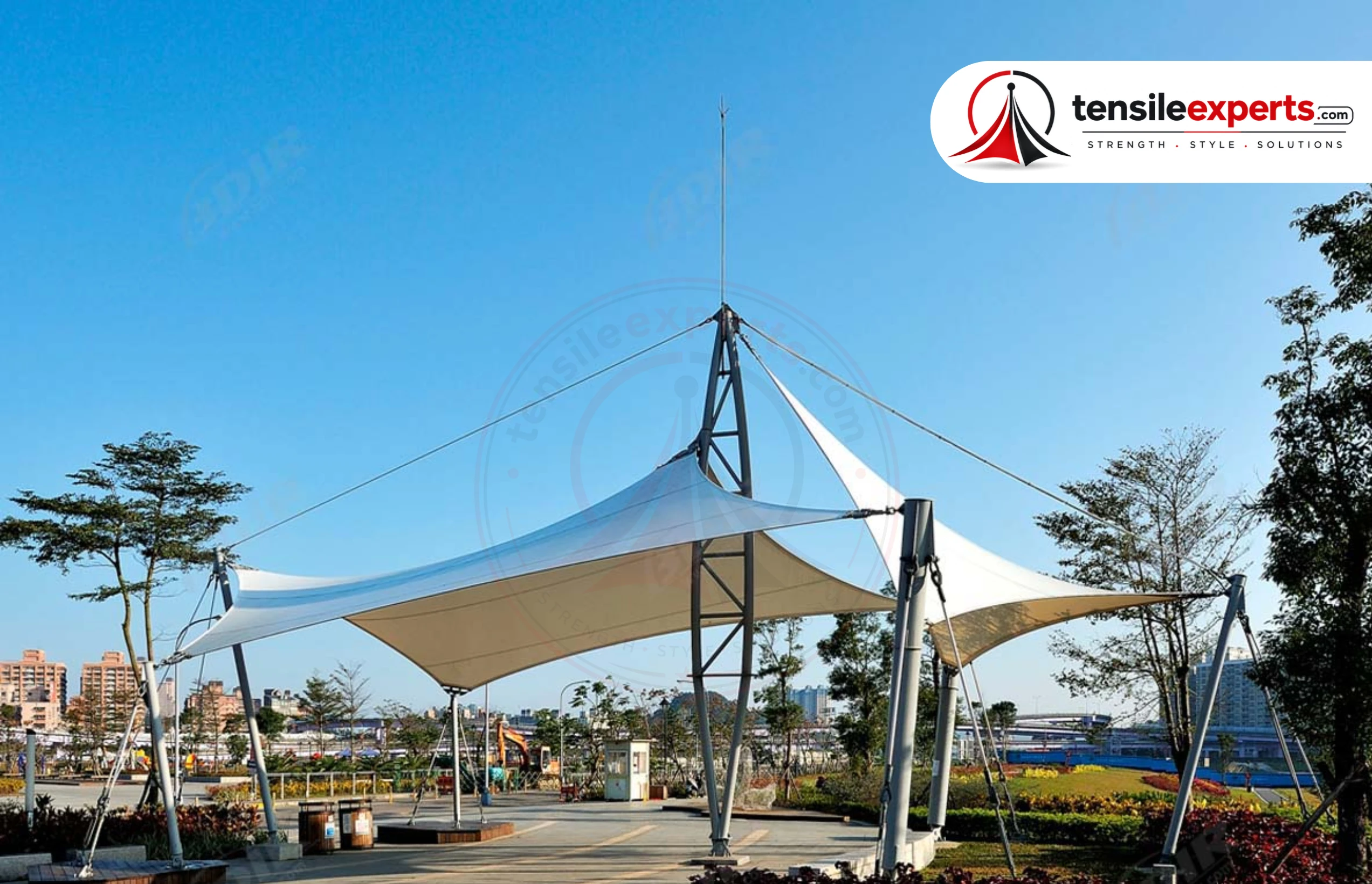
A tensile structure carries load through tension rather than compression — the fabric membrane is stretched between anchor points so wind, rain, and dead load pass through the fabric and its steel or aluminum framework as pure tension, instead of pushing down through columns and beams the way a conventional roof does. That's what lets a Stadium Tensile Structure span wide, largely column-free areas using comparatively lightweight materials, which is why it works well for Sports stadiums and spectator stands, Tennis, badminton, and other sports courts needing roof cover, Large-capacity outdoor viewing areas.
Every Stadium Tensile Structure we design starts with form-finding — working out the doubly-curved shape that holds the membrane in even tension across its surface. A flat or under-tensioned fabric panel will flutter in wind and pool water instead of shedding it, so we model wind and rain loading for your specific site before finalizing anchor points and frame layout, rather than scaling a fixed catalog shape to fit.
Fabric grade is the other major decision: PTFE — recommended for stadium-scale spans given its durability and long service life PVDF — self-cleaning top-coat worth considering for very large, continuously-exposed spans
Delhi doesn't need another catalog-size Stadium Tensile Structure. Every wind load, every anchor point, every fabric grade is decided for your site — not picked off a shelf. We model exactly what your structure needs to carry before we cut a single panel of fabric. That's the difference between a structure that just gets installed, and one that's actually engineered to last.
— How we approach every Stadium Tensile Structure project
Key Benefits
Design Freedom
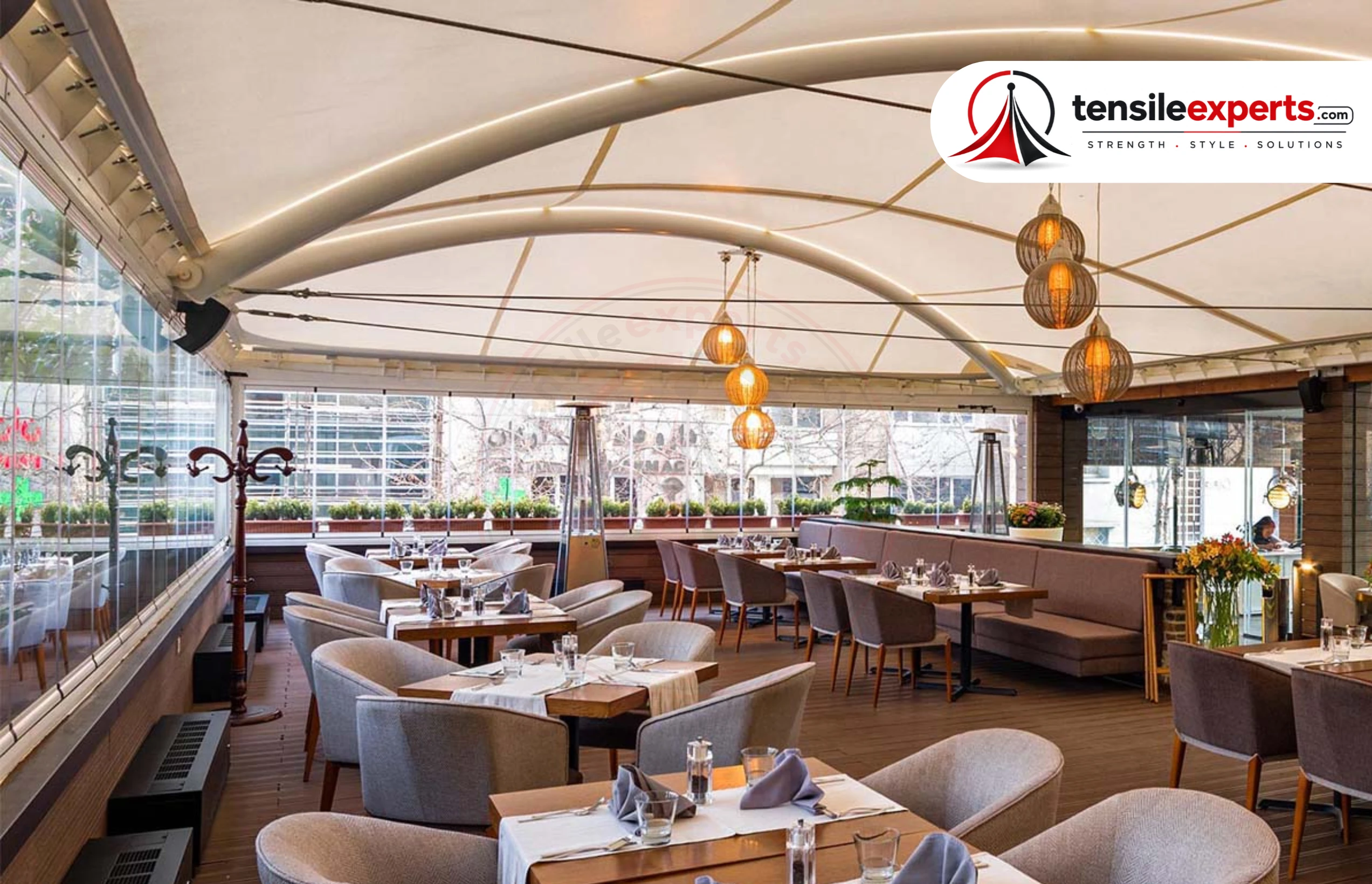
Fabric membranes can be tensioned into curved, sculptural forms that aren't practical with flat conventional roofing — useful when the structure itself needs to make an architectural statement.
Large-Span, Column-Free Coverage
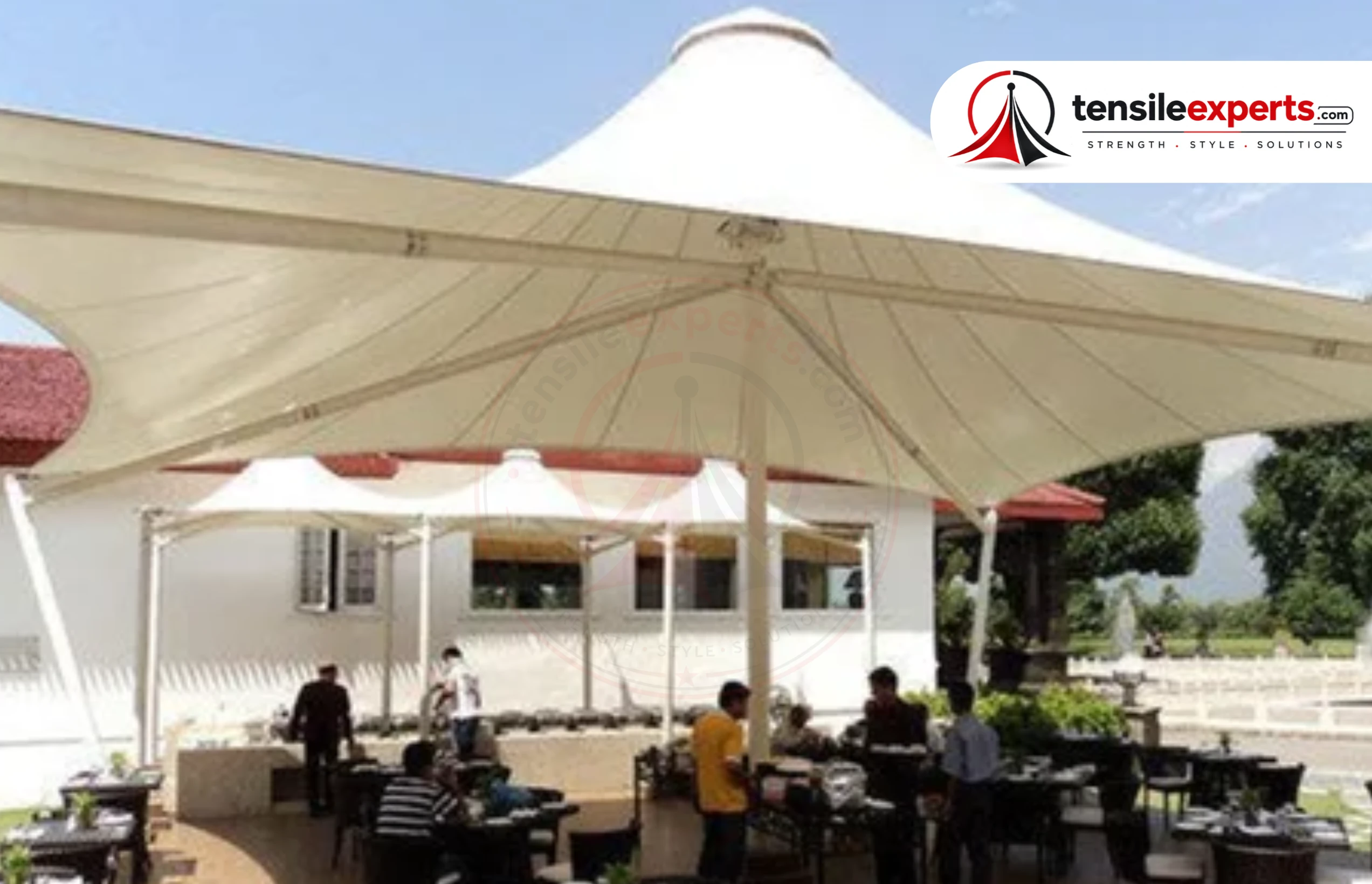
Because load is carried through tension rather than compression, a tensile structure can cover a wide area with few or no interior support columns.
Natural Daylighting
Most tensile fabrics allow some light transmission, reducing daytime artificial lighting needs under the structure while still cutting direct UV and heat.
Lightweight & Faster to Install
A fraction of the weight of an equivalent RCC or heavy steel roof, which reduces foundation load and generally shortens fabrication and installation time.
Durable & Weather-Resistant
Coated fabrics are engineered to handle sun, rain, and wind loading over years of outdoor exposure — see Technical Specifications below for typical design life by fabric grade.
Low Maintenance
Coated membranes shed rain and dust with minimal upkeep — no repainting or resealing cycles like a conventional roof needs.
Fabric Grade Options
PTFE — recommended for stadium-scale spans given its durability and long service life
PVDF — self-cleaning top-coat worth considering for very large, continuously-exposed spans
Application Areas
Sports stadiums and spectator stands
Tennis, badminton, and other sports courts needing roof cover
Large-capacity outdoor viewing areas
Technical Specifications
These are typical industry figures for tensile fabric structures — your project's exact specification depends on the fabric grade and structural design confirmed for your site. We do not quote fixed pricing here; share your requirements for a project-specific quote.
What to Consider
Our Process
We discuss your space, purpose, and design preferences for your Stadium Tensile Structure — in person or over a call, depending on location.
Our team works out the structural form, anchoring points, and load path for the design — the step that determines how the structure actually performs.
We recommend a fabric grade for your Stadium Tensile Structure and fabricate it to the confirmed design specifications.
Our own installation team handles anchoring, tensioning, and weatherproofing on-site.
We walk you through care and maintenance at handover, and remain available for re-tensioning or repair afterward.
Stadium-scale tensile roofs require structural engineering review specific to the venue's spectator capacity and layout.
Common Concerns
Is a Stadium Tensile Structure right for my space?
Commonly used for Sports stadiums and spectator stands, Tennis, badminton, and other sports courts needing roof cover, among other spaces — we confirm fit during the site visit.
Which fabric grade should I choose?
We recommend a fabric grade based on your budget, span, and climate exposure — see Fabric Grade Options above.
How long will it take?
Fabrication and installation timelines depend on structure size and complexity — share your project details and we will confirm what is realistic.
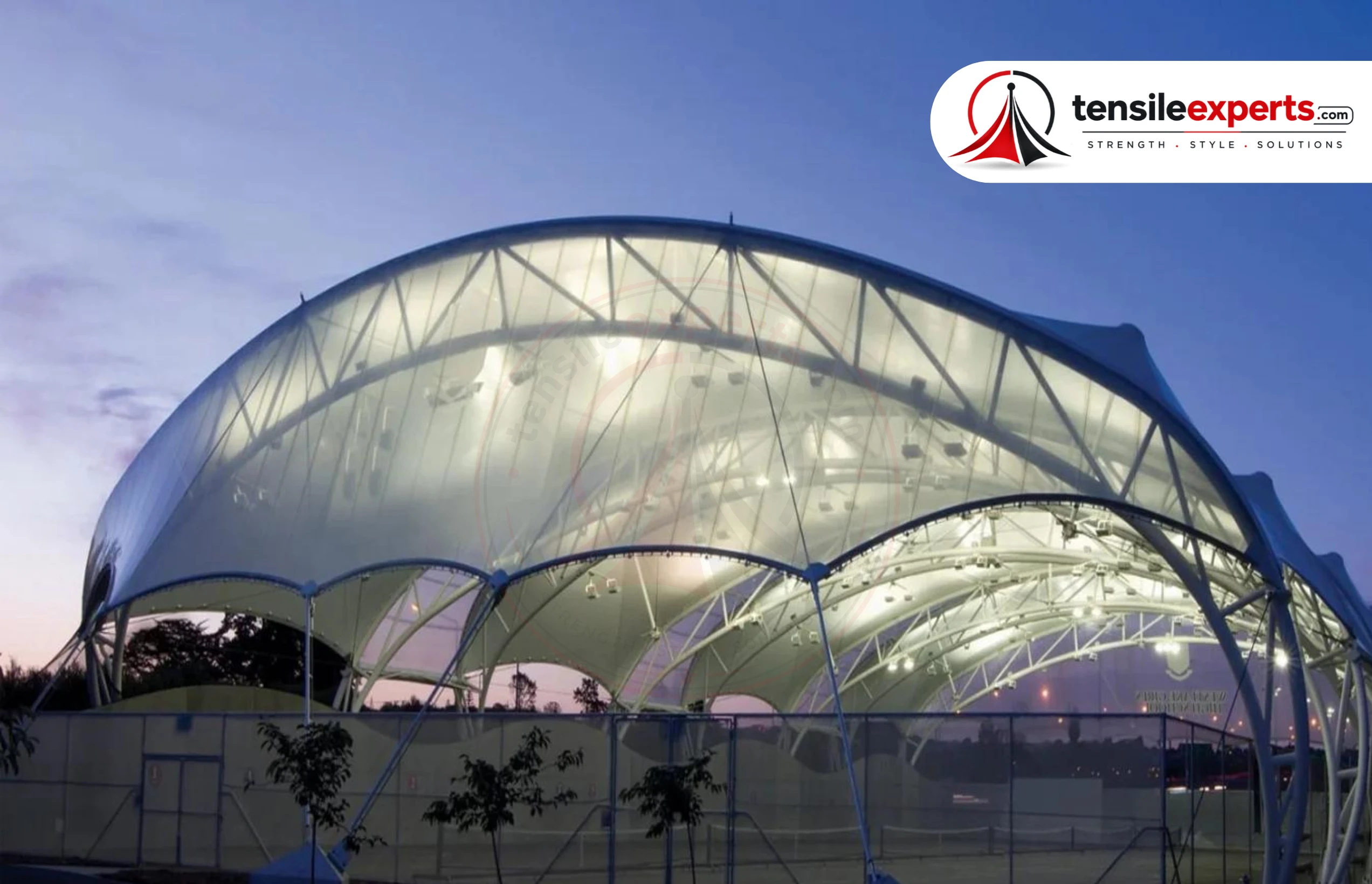
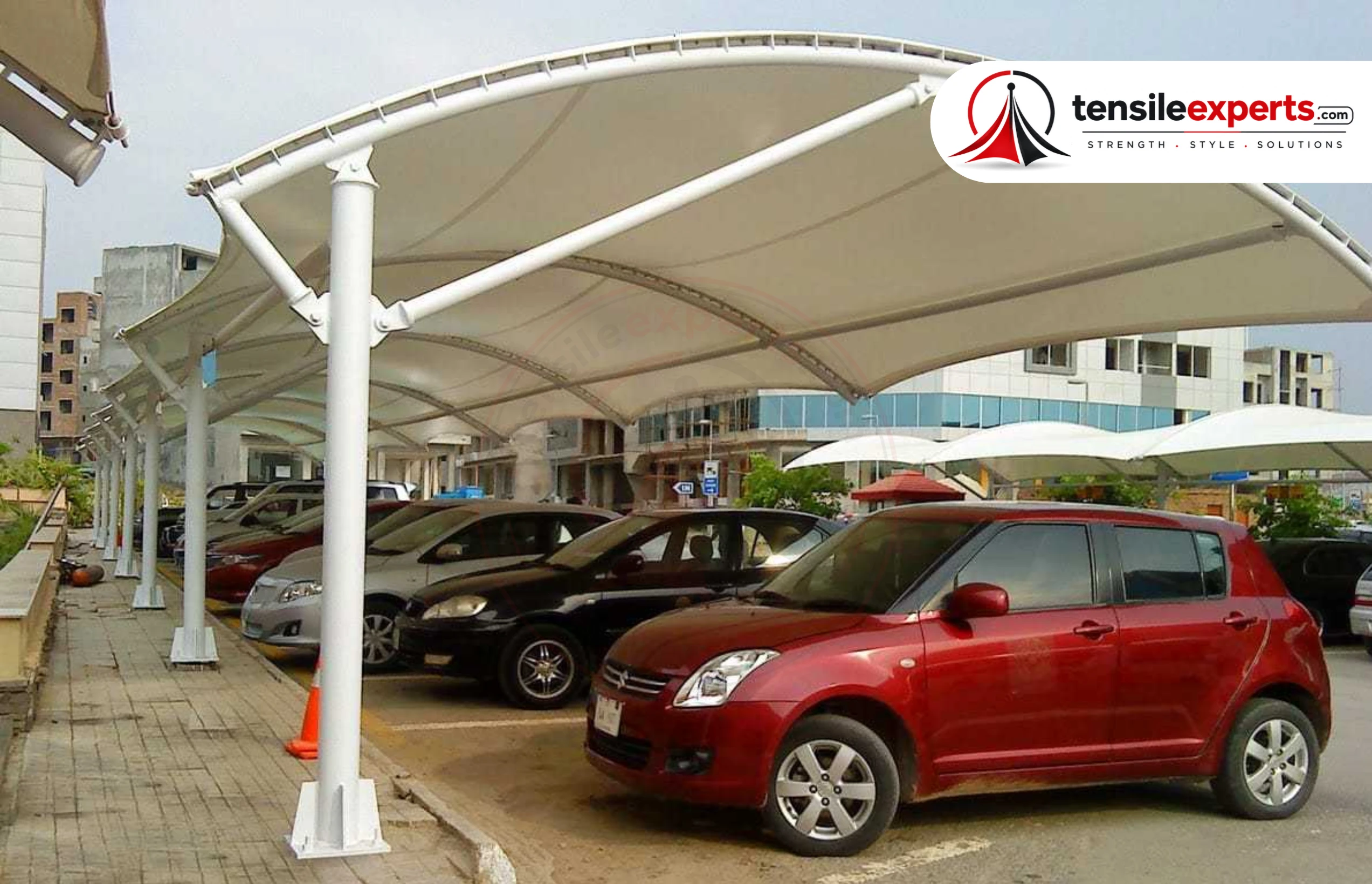

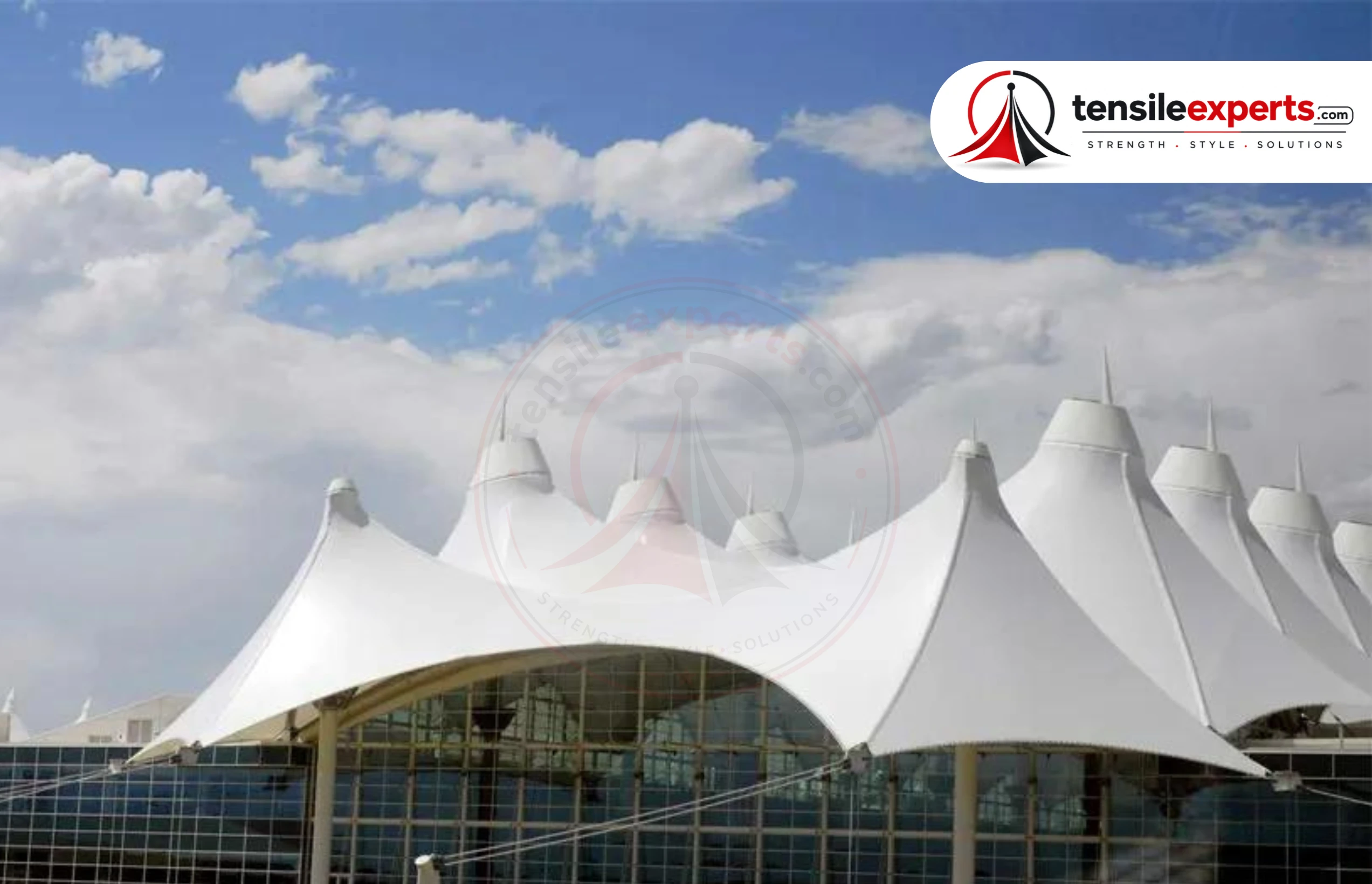
We design and fabricate Stadium Tensile Structure for sites across Delhi, built to the site's own dimensions rather than a fixed catalogue size. Delhi's National Capital Territory covers 1,483 km², of which about 783 km² is designated rural and 700 km² urban. The Yamuna River's floodplain provides fertile alluvial soil but floods recurrently, and the Delhi Ridge — an extension of the Aravalli Range — reaches 318 m as it encircles the city's west, northeast, and northwest. Delhi's urban agglomeration extends beyond the NCT itself into the satellite cities of Ghaziabad, Faridabad, Gurgaon, Noida, and Greater Noida, together forming the National Capital Region (NCR).
Stadium-scale tensile roofs require structural engineering review specific to the venue's spectator capacity and layout. Share your project details and we will confirm a realistic timeline.
Commonly used for Sports stadiums and spectator stands, Tennis, badminton, and other sports courts needing roof cover.
Why Delhi Clients Choose Tensile Experts for Stadium Tensile Structure
Site Assessment Before Fabrication
On a Stadium Tensile Structure project, most avoidable issues come from skipping a proper site assessment or choosing the wrong fabric grade for the climate — we check both before fabrication.
We Know Delhi's Conditions
Our team accounts for the specific climate and site conditions in Delhi.
Realistic Timeline Guidance
Stadium-scale tensile roofs require structural engineering review specific to the venue's spectator capacity and layout. Share your project details and we will confirm a realistic timeline.
In-House Fabrication & Installation
From design to installation, your project is handled by our own team — not outsourced to a third-party crew.
Project Gallery
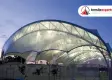
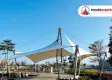
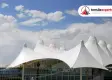
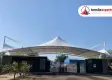
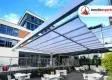
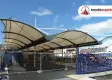
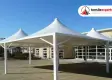
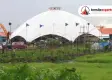
Photographs of tensile fabric structures we've designed, fabricated, and installed — the design, form, and finish you can expect for your project.
Related Searches
Related Guides




Used In
Stadium Tensile Structure FAQ — Delhi Projects
Direct answers to the most common questions about Stadium Tensile Structure fabrication, materials, and installation for projects in Delhi.
Stadium Tensile Structure — Common Questions
1 Do you design and install Stadium Tensile Structure projects in Delhi?
Yes. Tensile Experts coordinates site review, custom design, fabrication, transport planning, installation, tensioning, and handover for Stadium Tensile Structure enquiries in Delhi. Final scope depends on the measured site and approved design.
Key Terms — Tensile Structures
Plain-language definitions for the materials and engineering terms you will hear while planning a project.
Structural Form
The overall shape the membrane is tensioned into — conical, dome, saddle, barrel-vault, or a custom form — chosen for the site, span, and drainage needs.
Tensile Structure
A structure that gets its strength from fabric held in tension between rigid supports, rather than from a solid roof — lightweight, weatherproof, and suited to large spans.
PVC Fabric
PVC-coated polyester fabric — the most widely used and cost-effective tensile membrane material for most structures.
PTFE Fabric
PTFE (Teflon-coated) fabric — higher UV and weather resistance with a longer service life, suited to larger spans.
PVDF Fabric
A durable, self-cleaning fabric top-coat option that holds its appearance longer in dusty or high-pollution environments.
Membrane Structure
A tensile structure formed from a single continuous fabric membrane stretched over a supporting frame or cables.
Retractable Structure
A tensile roof that can be opened or closed on demand, motorized or manual, for spaces that need sun cover one moment and open sky the next.
Anchoring
The foundation and hardware system that holds a tensile structure's cables/frame in place — critical to how the structure performs in wind and rain.
Span
The distance a tensile structure covers without intermediate support — larger spans need higher-grade fabric and stronger anchoring.
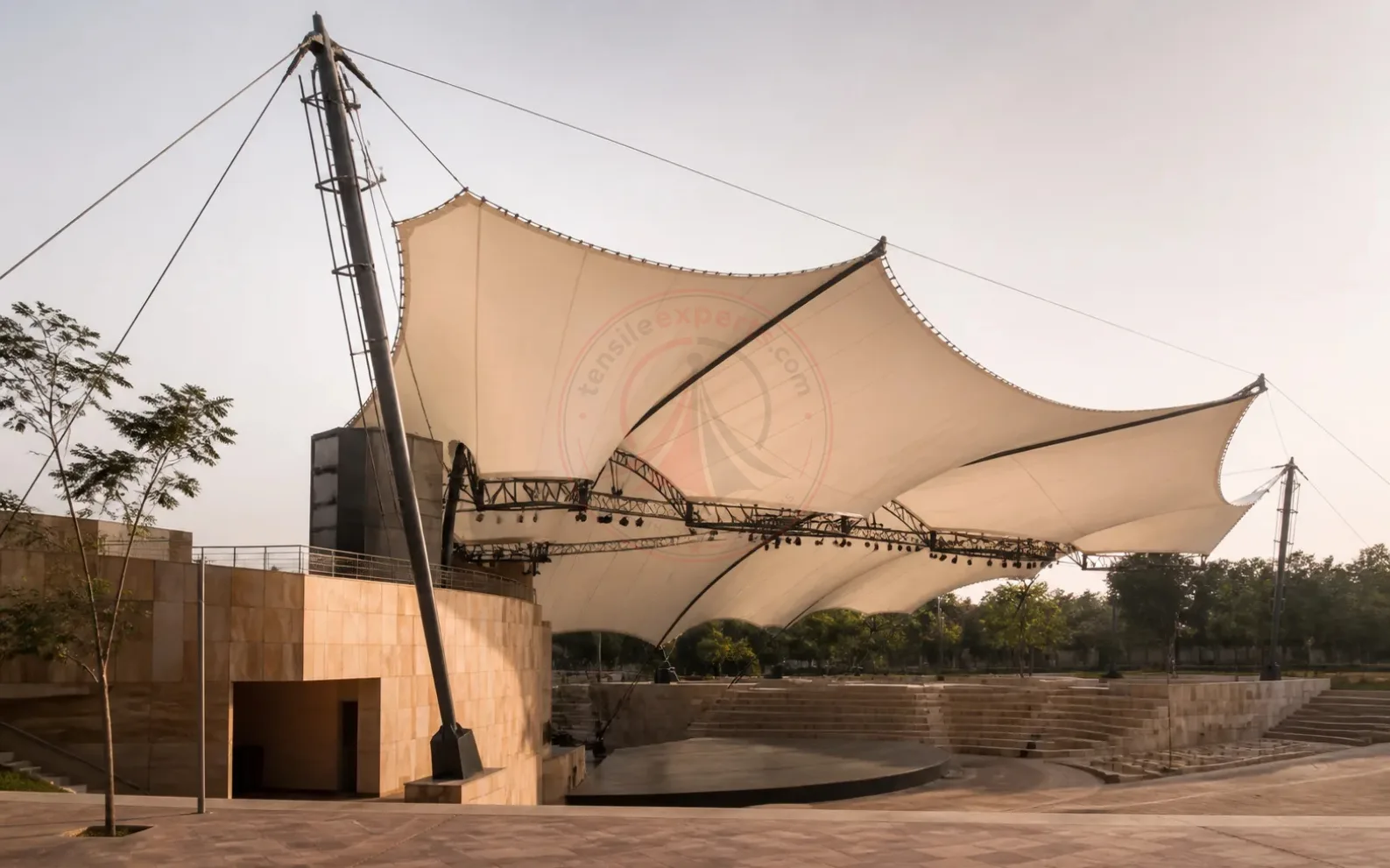 Delhi · Pan-India execution
Build the right tensile structure for Delhi.
Send us your application, approximate size and site location. We’ll help you identify the right structural approach and membrane option.