





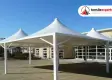
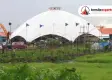
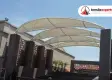
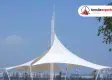















Once a design is finalized, tensile structure installation follows a fairly consistent sequence — foundation work, steel erection, then fabric tensioning — regardless of the specific product. Knowing what actually happens at each stage helps set realistic expectations for timeline and site disruption.
In This Guide
Foundation Work Comes First
Every installation begins with foundation work — footings are marked out, excavated, reinforced with steel, and poured according to the design's structural requirements. This stage has to be given proper curing time to reach design strength before any load is placed on it; rushing here undermines the stability of everything built on top of it. See our foundation types guide for how foundation type is chosen in the first place.
Weather has a real, practical effect on this stage — concrete cures more slowly in cool conditions and needs to be protected from heavy rain before it has set. A realistic installation plan accounts for this rather than treating curing time as a fixed number regardless of season, which is one reason two seemingly identical projects can have different actual timelines depending on when the foundation work happens.

Steel Frame Erection
Once foundations have cured, the steel frame — masts, ring beams, cable anchors, whatever the specific design calls for — is erected and secured. This stage confirms the structure's overall alignment and geometry; any correction needed happens here, before the fabric is involved, since adjusting a tensioned membrane afterward is far more difficult than adjusting steel.
This is also where the design's engineering gets its first real-world check. Masts are set plumb, cable anchor points are confirmed against the drawings, and any ring beams or connecting members are torqued to specification before work moves forward — skipping this verification step to save time is a common source of problems that only surface once the fabric goes up and the structure is under real tension.
Fabric Membrane Tensioning
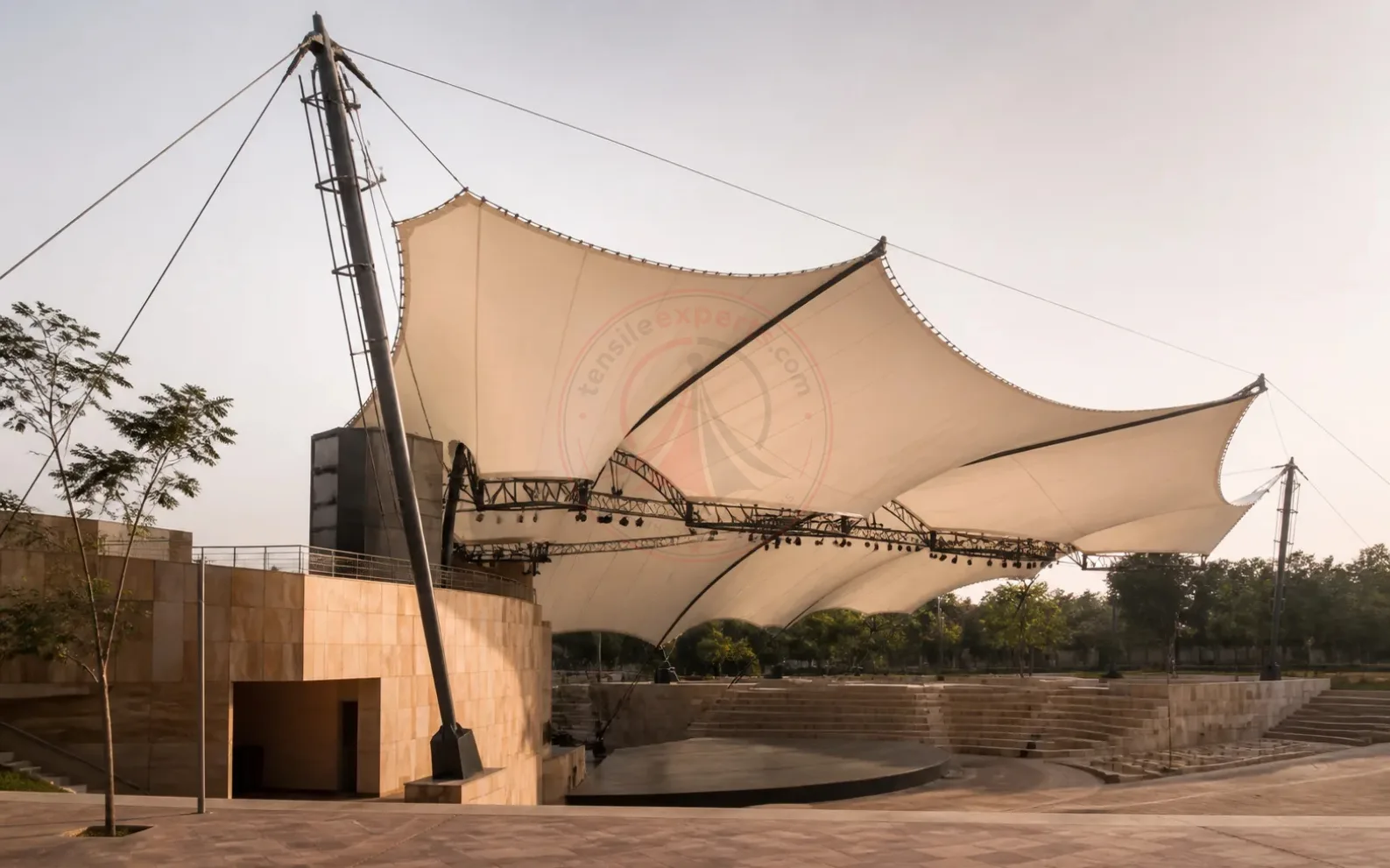
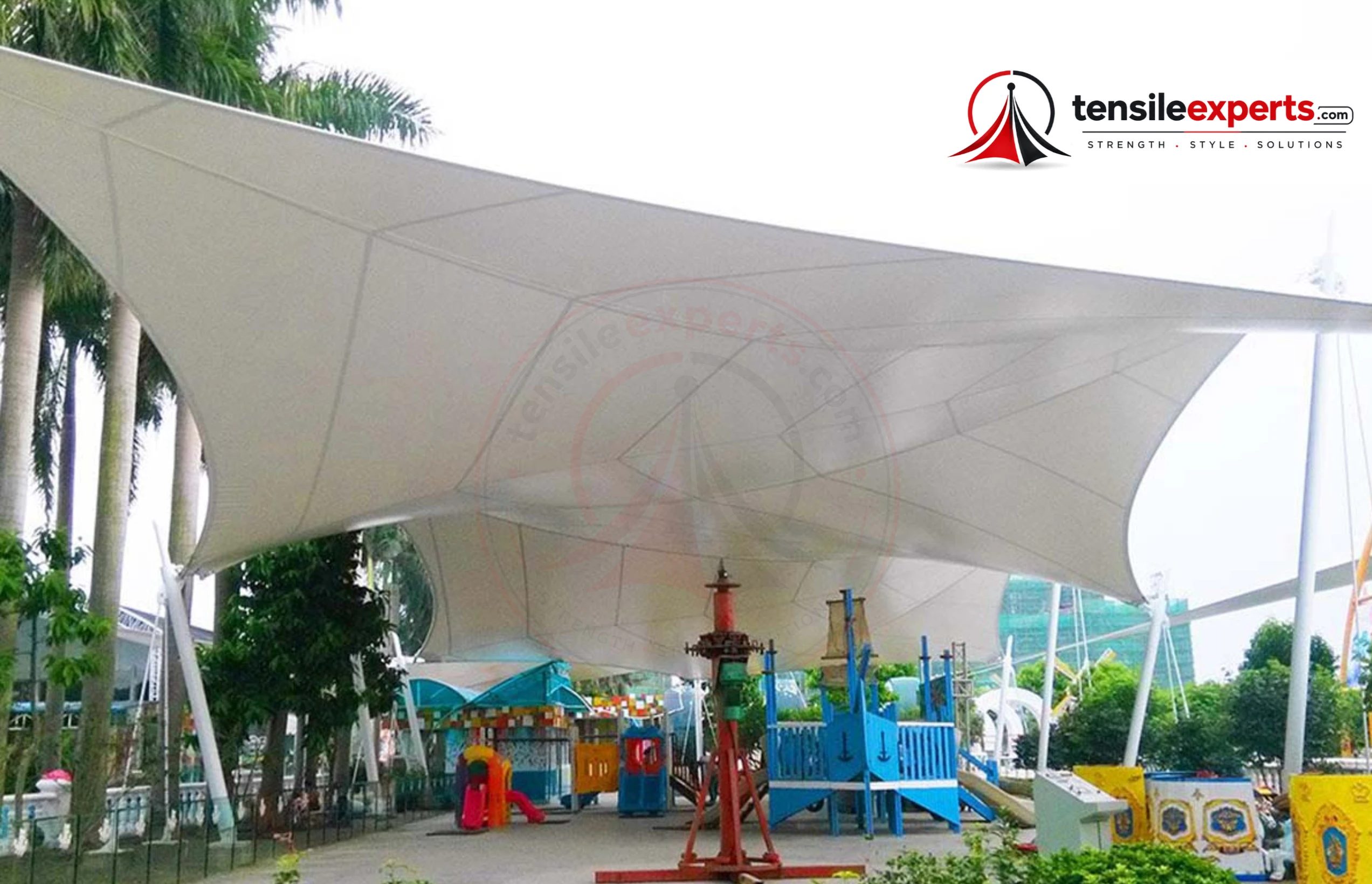
The fabric membrane is only brought in and tensioned once the frame is confirmed stable and correctly aligned. Tensioning has to be even and precise — tensile fabric relies on correct, engineered tension to hold its double-curvature shape and properly shed water and wind loads. Uneven tensioning can cause ponding at low points, stress concentration at seams, or a visibly uneven roofline, so this stage is done carefully, not rushed.
Quality Checks and Handover
Before handover, a final inspection checks fabric tension across the whole span, seam integrity, cable and connection hardware, and drainage paths. Some projects also include a short walkthrough covering basic maintenance expectations — see our service life guide for what ongoing care looks like after installation.
Installation Stages at a Glance
With each stage covered in detail above, here's the sequence as a quick reference:
| Stage | What Happens |
|---|---|
| 1. Foundation Work | Footings excavated, reinforced, poured, and given time to cure to design strength |
| 2. Steel Frame Erection | Masts, ring beams, and cable anchors erected and checked for alignment |
| 3. Fabric Tensioning | Membrane brought in and tensioned evenly across the confirmed, stable frame |
| 4. Quality Checks & Handover | Tension, seams, hardware, and drainage inspected before the project is handed over |
Related Guides



What Affects Timeline
Installation timeline depends heavily on structure size and design complexity, and foundation curing time is often the single biggest factor — not the steel or fabric work itself. A straightforward, standard-span structure moves through this sequence faster than a large-span custom design with more complex geometry.
Site access also plays a real role — a tight urban site where machinery has to be brought in through a narrow gate takes longer to work on than an open plot with clear vehicle access, independent of the structure's own size. This is one of the practical reasons a proper site survey before the project starts matters as much for timeline planning as it does for design.
Explore by Product
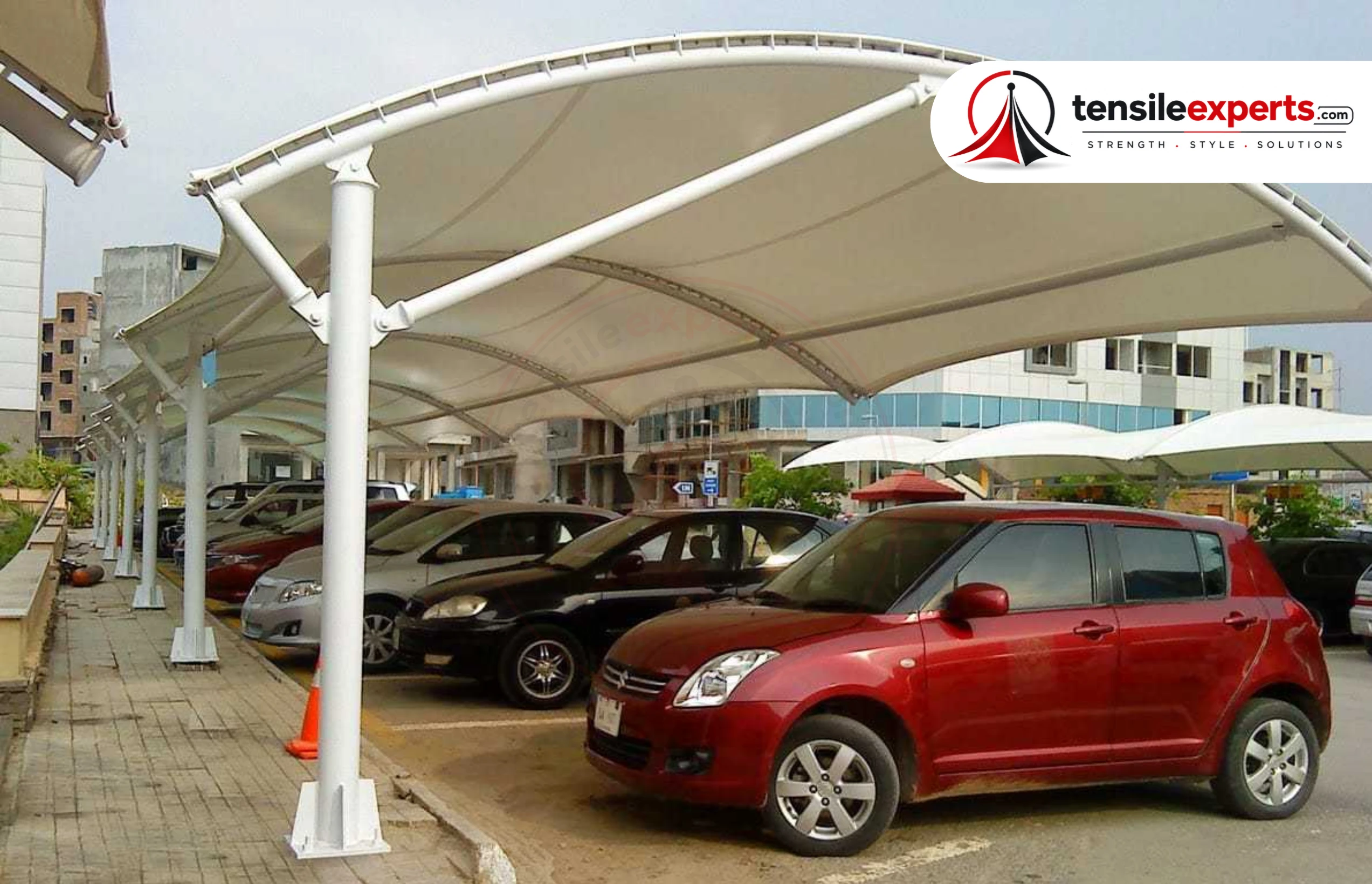



See the full product directory for everything we design, fabricate, and install.
Frequently Asked Questions
Ready to start your installation? Get in touch for a free site consultation.