




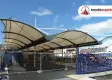
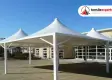
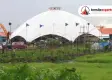
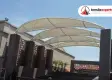
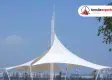


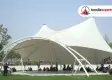


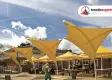

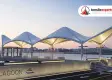









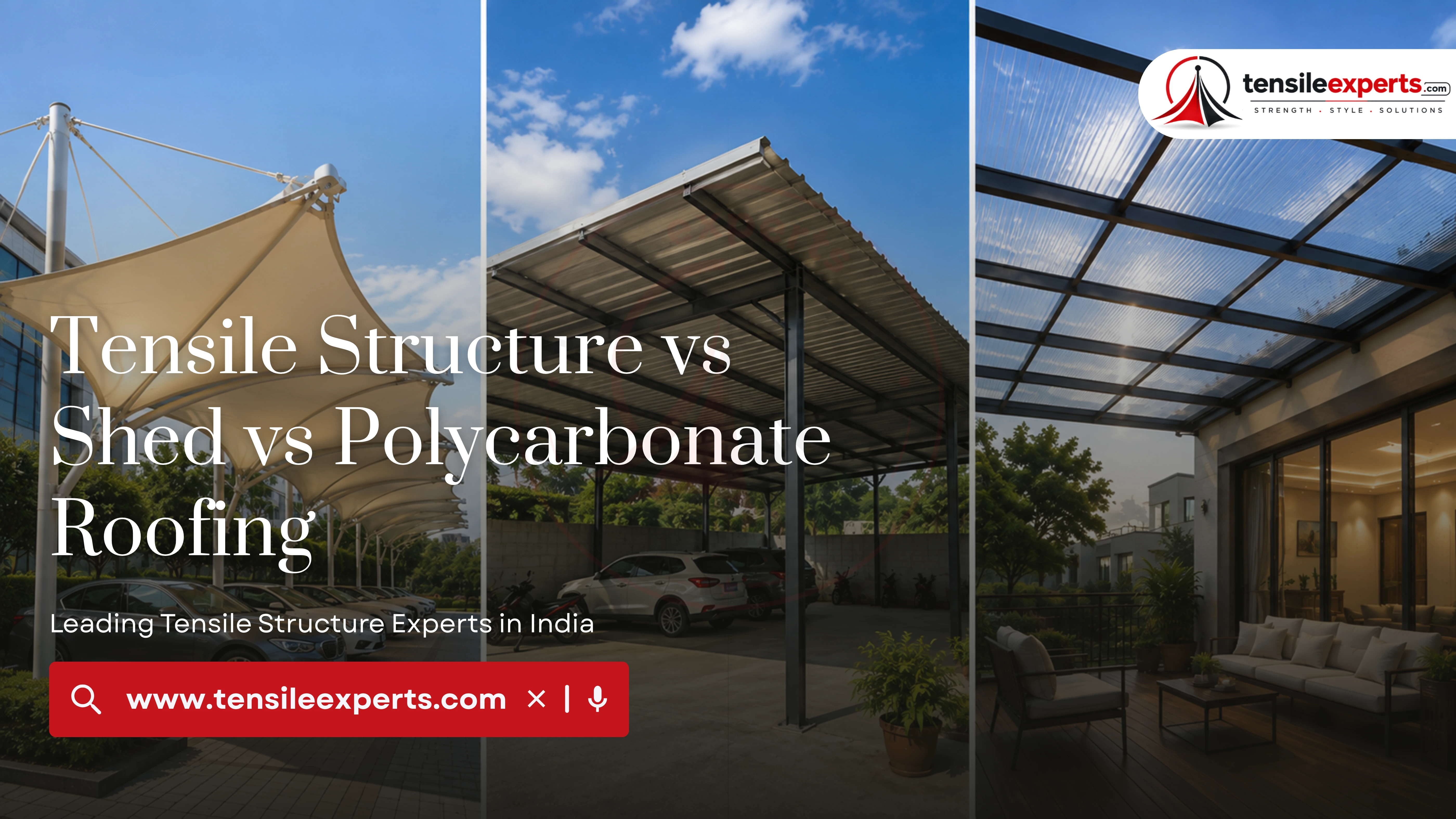
For a car parking shed or general outdoor cover, tensile fabric isn't the only option — a basic metal shed or a polycarbonate sheet roof are both real, commonly-used alternatives. This guide compares all three honestly on cost, durability, appearance, and maintenance, rather than assuming tensile is automatically the right answer.
In This Guide
Cost — Where Each Option Wins
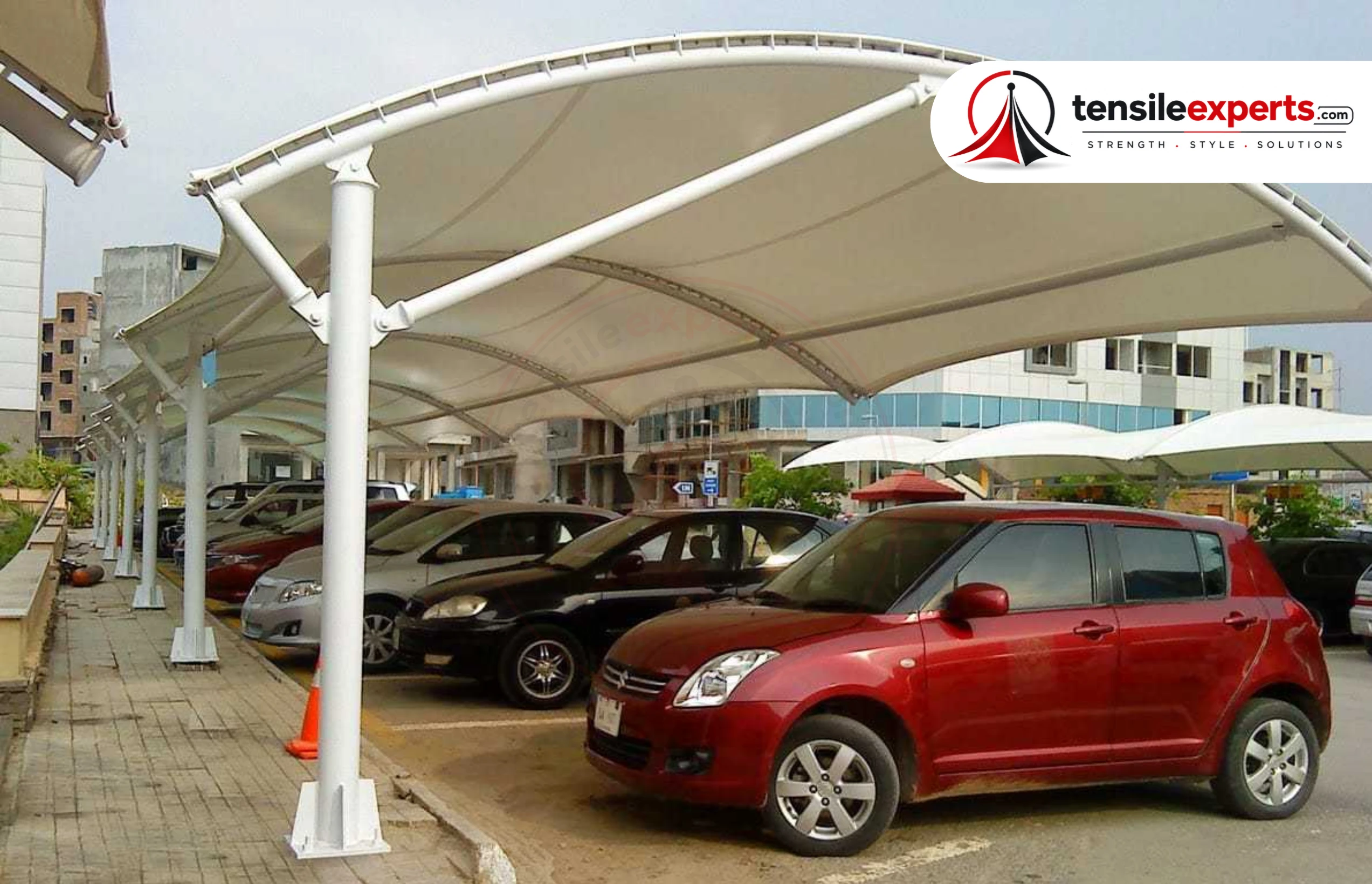
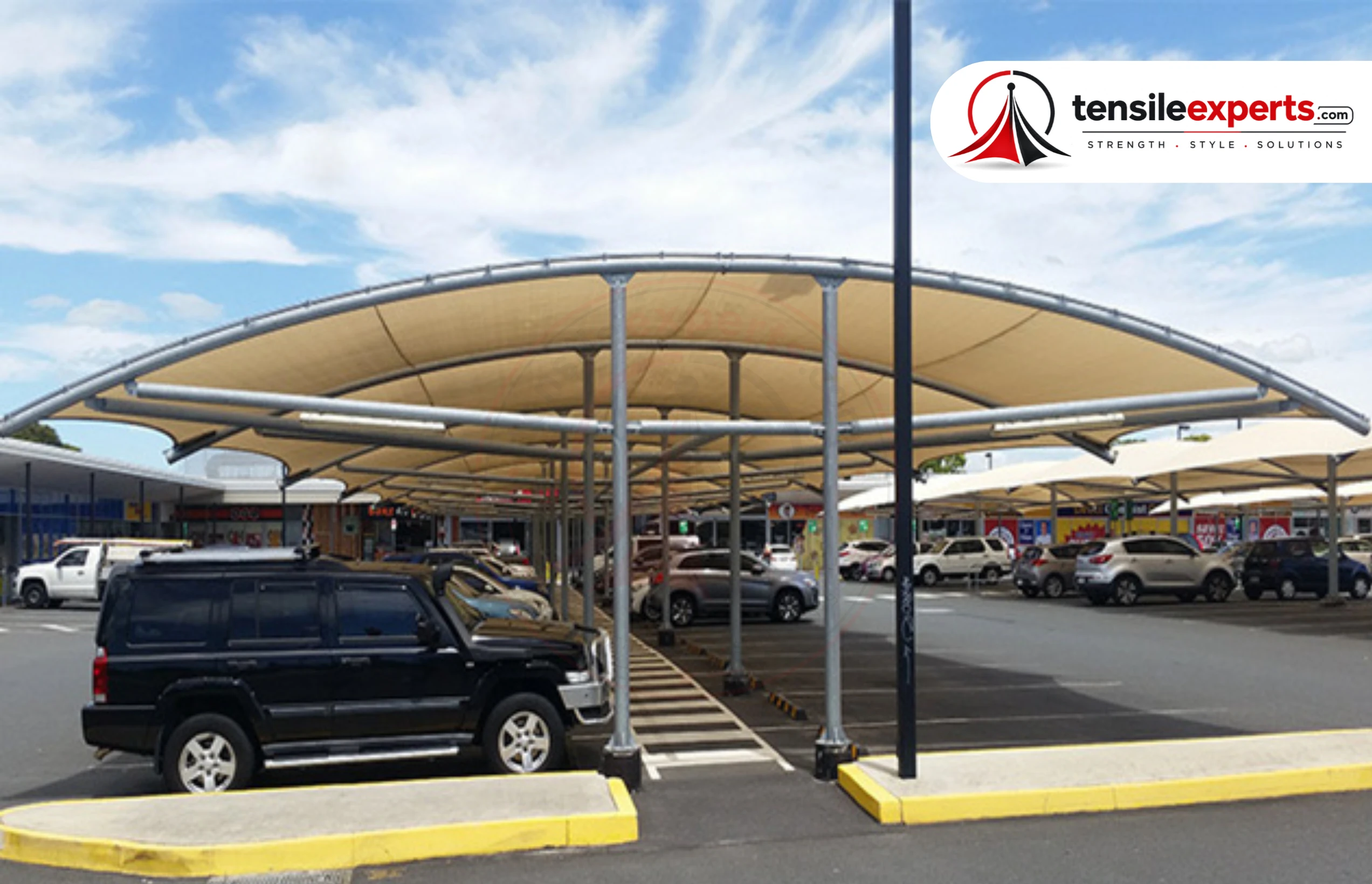
Polycarbonate and basic metal sheds often have a lower upfront cost for a small, single-bay structure. Tensile fabric becomes more cost-competitive as span increases, since its lighter structural weight reduces how much supporting steel or foundation work is needed compared to a metal-framed alternative covering the same area.
Durability and How Each Material Ages
Each material ages differently, not better-or-worse across the board: tensile fabric experiences gradual UV wear over years (slower on PTFE grades than PVC), metal sheds carry rust and corrosion risk especially in humid or coastal areas, and polycarbonate panels can yellow or become brittle with sustained UV exposure. The right comparison is which aging pattern fits your site's real conditions and your tolerance for the maintenance each one needs.
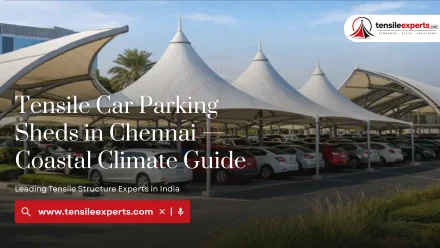
Coastal and high-humidity sites specifically tend to favor tensile fabric or polycarbonate over an untreated metal shed, since rust risk is the fastest-moving degradation pattern of the three in salt-air or sustained-humidity conditions — this is the same reasoning behind why our Chennai and Goa-area guides both lean toward corrosion-resistant hardware and fabric grades rather than standard metal framing.
Appearance and Light Transmission
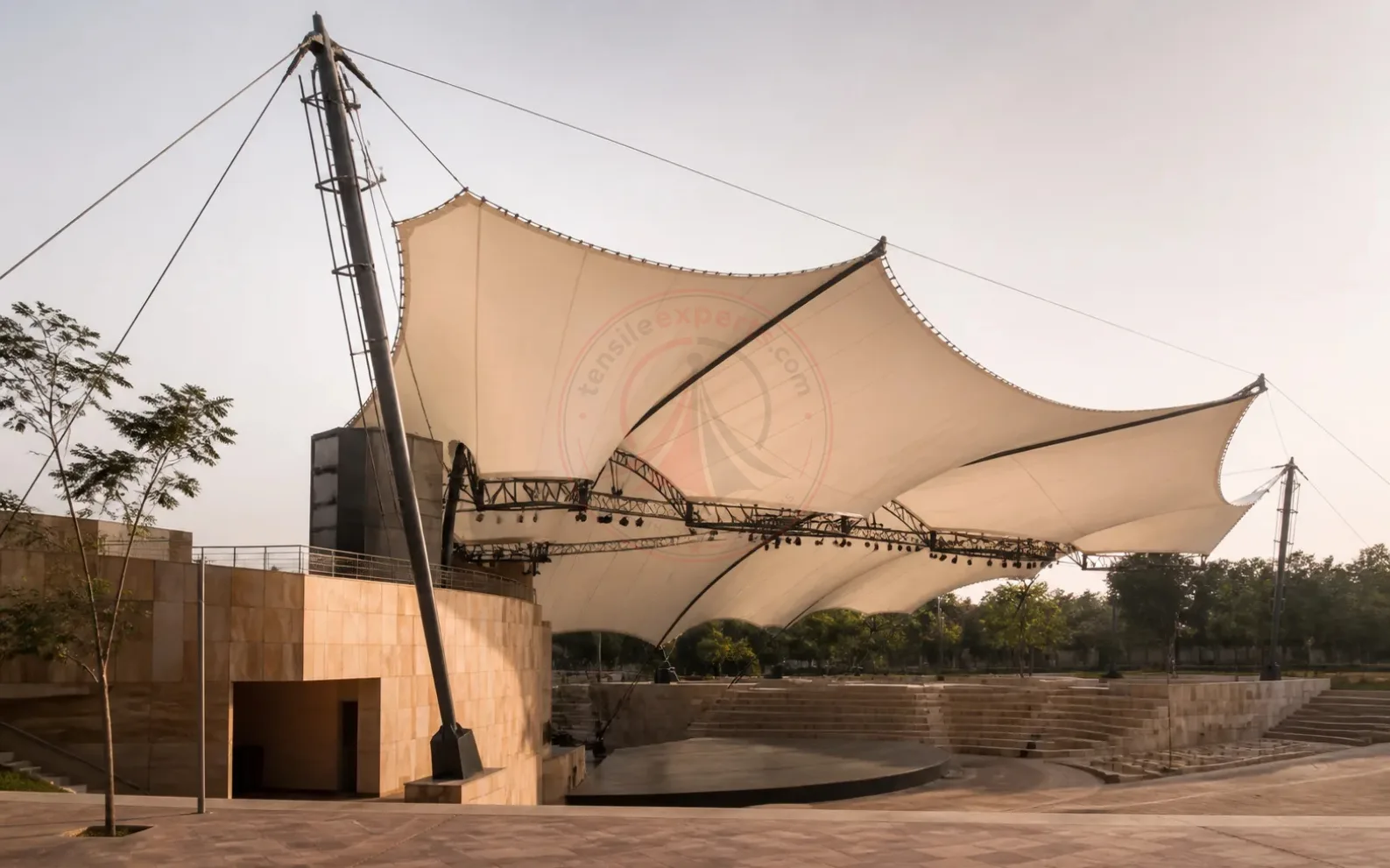
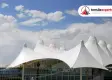
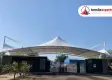
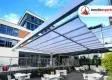
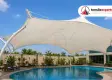
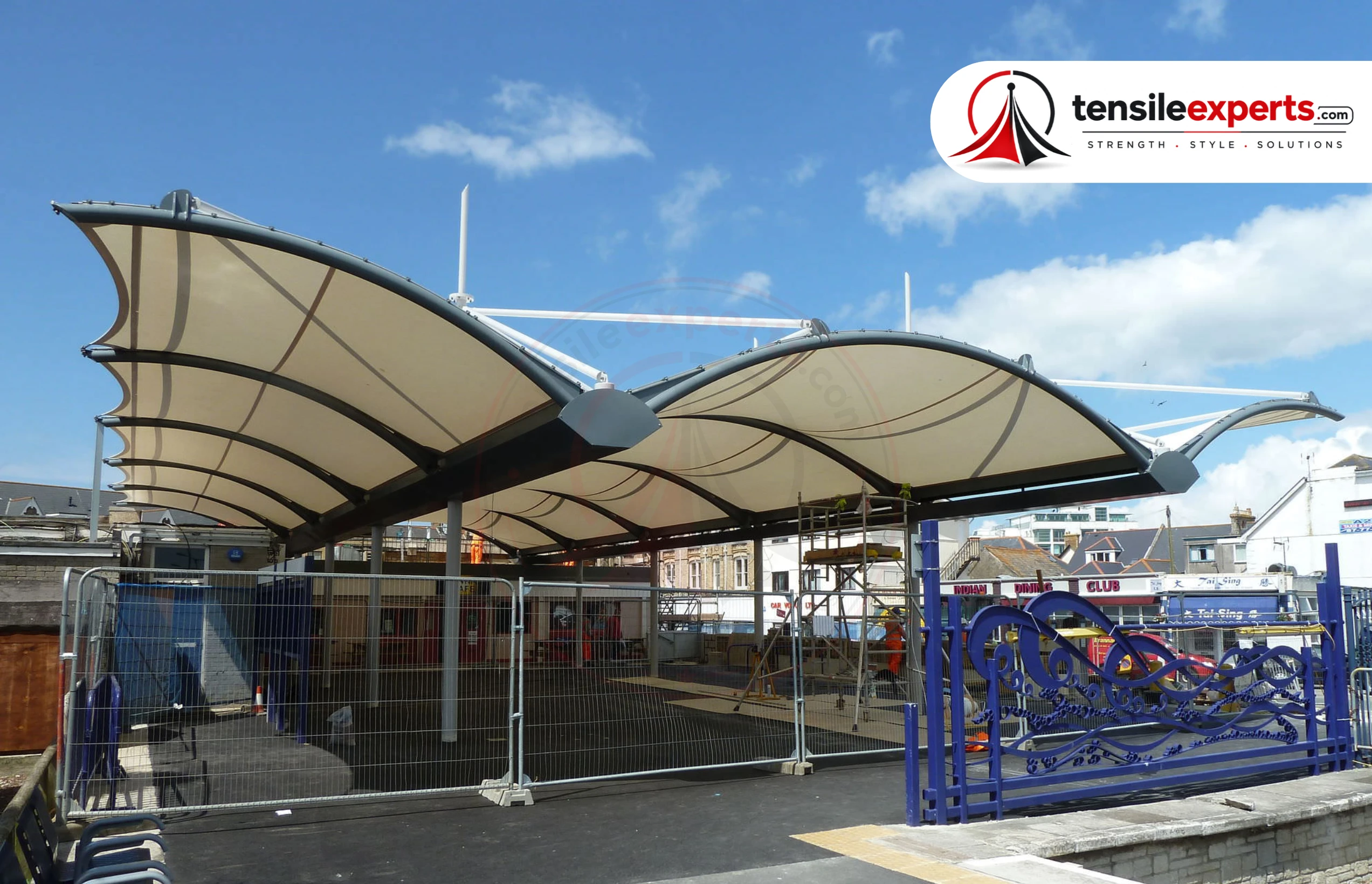
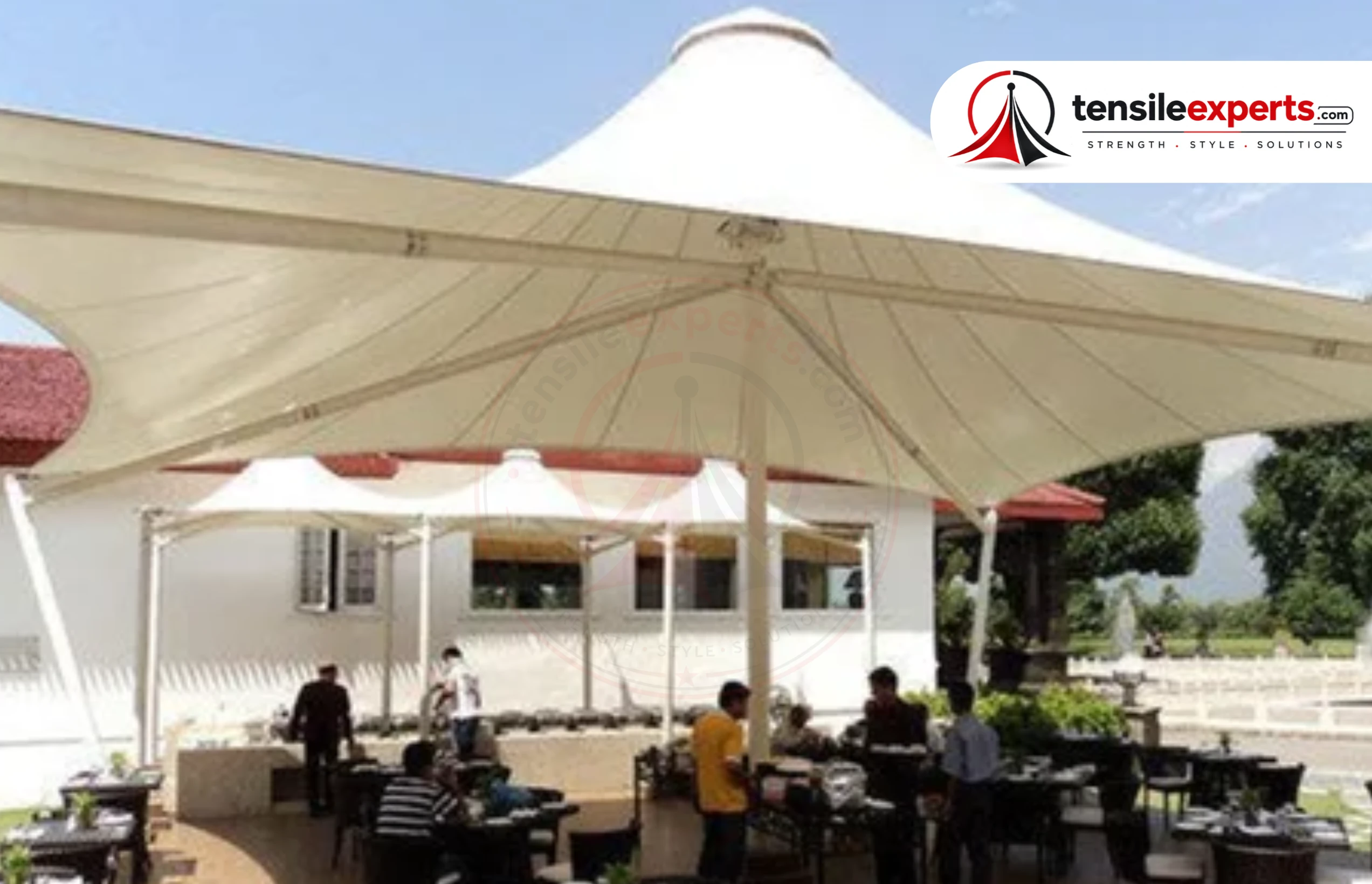
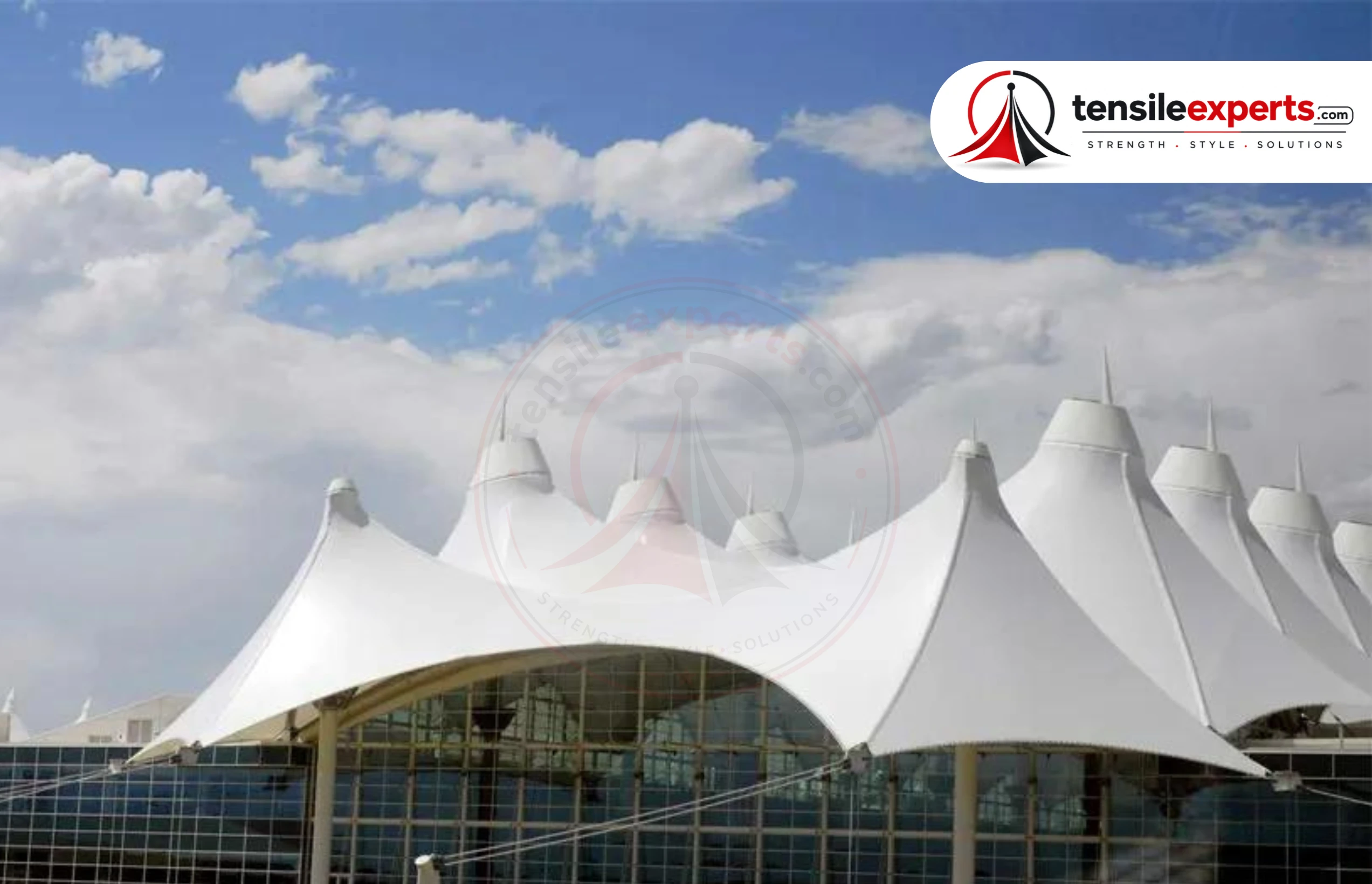
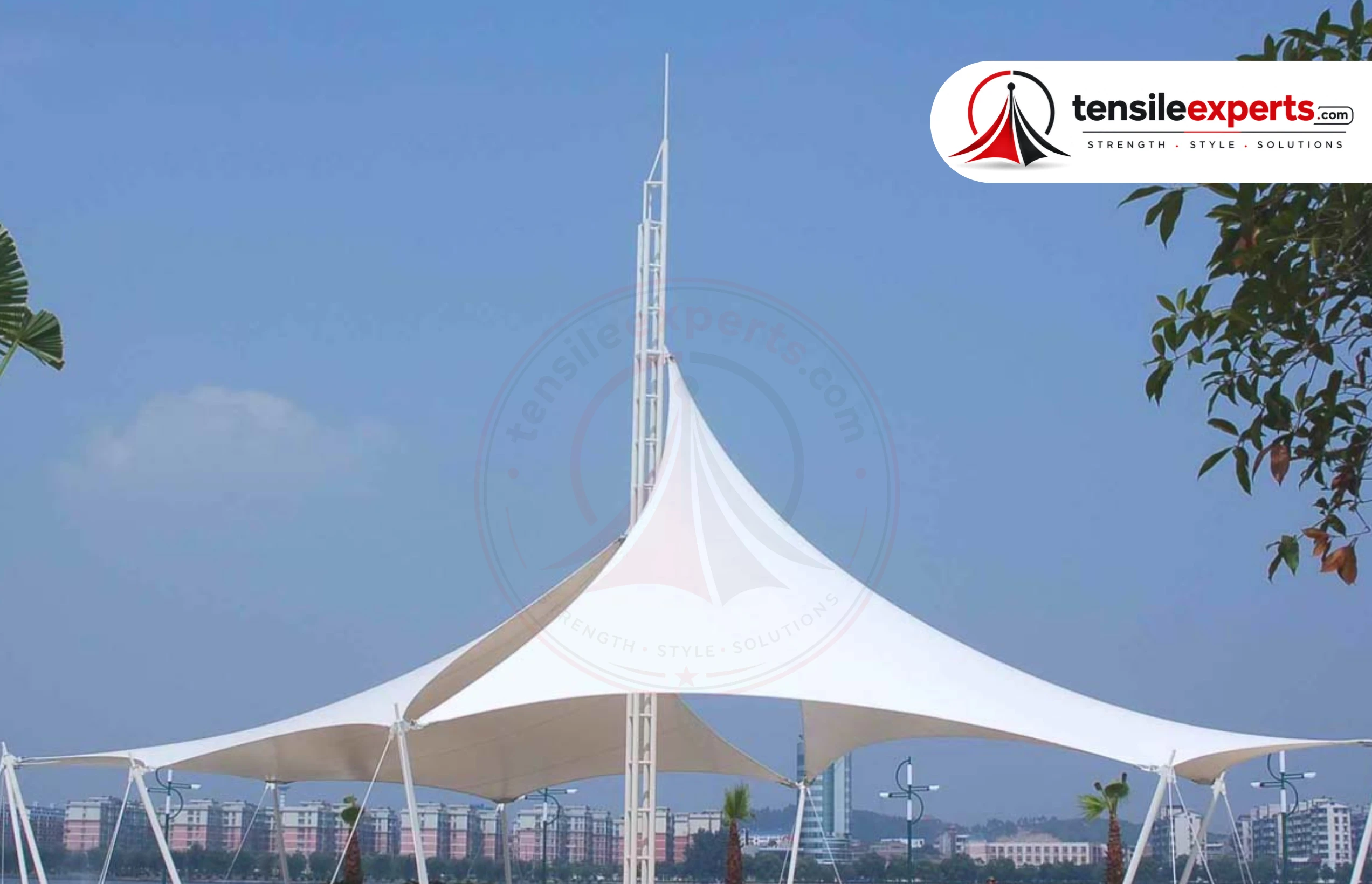
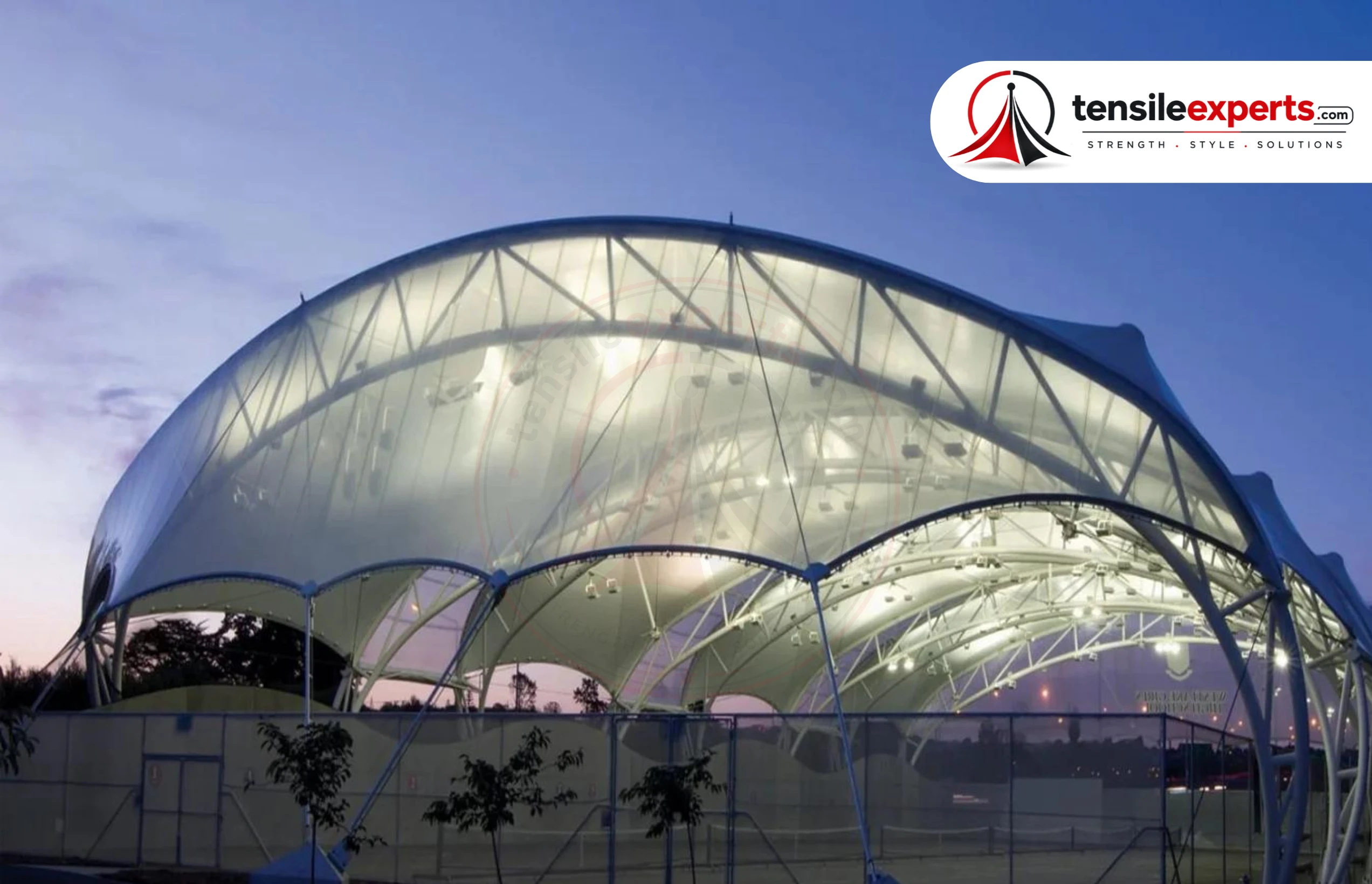
Tensile fabric's curved, tensioned form gives it a distinctive architectural look that flat metal or polycarbonate roofing doesn't replicate — this is often the deciding factor for projects where appearance genuinely matters, not just function. On light transmission specifically, clear polycarbonate typically lets in more light than an opaque tensile fabric, though translucent tensile grades exist for projects that want both coverage and daylight.
For a housing society or commercial property where the parking shed is visible from the street or main entrance, this appearance difference is worth weighing seriously — a distinctive tensile roof reads as a deliberate architectural choice in a way a standard metal or polycarbonate cover doesn't, which matters for properties where curb appeal or brand presentation is part of the decision.
Maintenance — None Are Maintenance-Free
It's worth being clear that none of these three options is maintenance-free — tensile fabric needs periodic cleaning, re-tensioning, and hardware inspection; metal needs rust prevention and structural checks; polycarbonate panels eventually need replacement as UV exposure degrades them. Choosing based on "least maintenance" isn't really the right framing — it's about which maintenance pattern fits your situation.
Side-by-Side Comparison
With each difference explained above, here's the full picture side by side:
| Aspect | Tensile Fabric | Metal Shed | Polycarbonate |
|---|---|---|---|
| Upfront Cost | Moderate, scales well at larger spans | Often lower for basic structures | Often lowest for small covers |
| Span Capability | Large clear spans without heavy steel | Needs more structural steel at scale | Limited span without heavy framing |
| Appearance | Distinctive, curved architectural form | Functional, boxy profile | Flat, utilitarian panels |
| Light Transmission | None to high, fabric-grade dependent | None (opaque roof) | High (clear/tinted panels) |
| Aging Pattern | UV wear on fabric over years | Rust/corrosion risk over time | Yellowing, brittleness with UV exposure |
| Maintenance | Cleaning, re-tensioning, hardware checks | Rust prevention, structural checks | Panel replacement as it degrades |
Related Guides


Where This Decision Comes Up Most
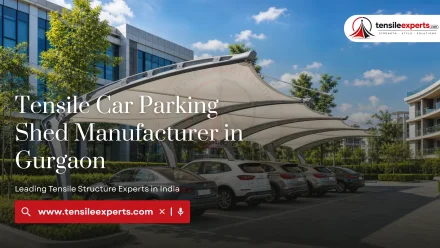
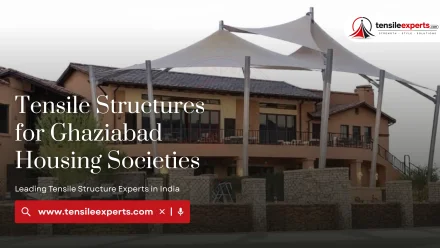
This exact three-way comparison is the real decision homeowners and housing societies weigh for a parking shed project — see our Residential & Housing guide for the fuller context, alongside our other industry pages.
Which Should You Choose
If upfront cost is the primary constraint on a small single-bay structure, polycarbonate or a basic metal shed can be reasonable choices. If you want a distinctive look, genuine large-span coverage, or a structure that will hold up well over a longer service life, tensile fabric is worth the comparison — not as an automatic default, but as a real option weighed against what you actually need.
Tensile Car Parking Shed — From ₹350/sq.ft.
Explore by Product


See the full product directory for everything we design and fabricate.
Frequently Asked Questions
Weighing your roofing options? Get in touch for a free site consultation.