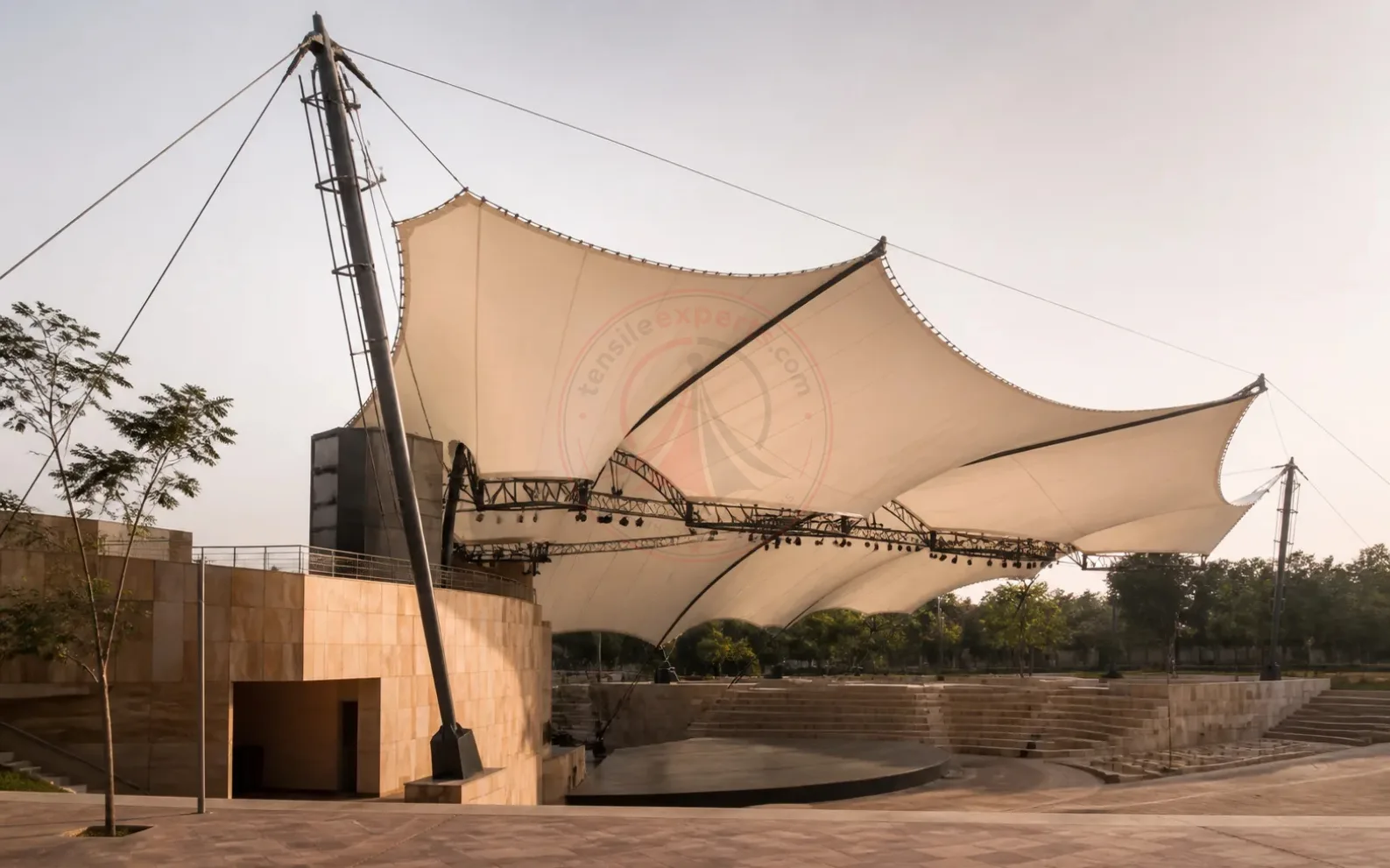





























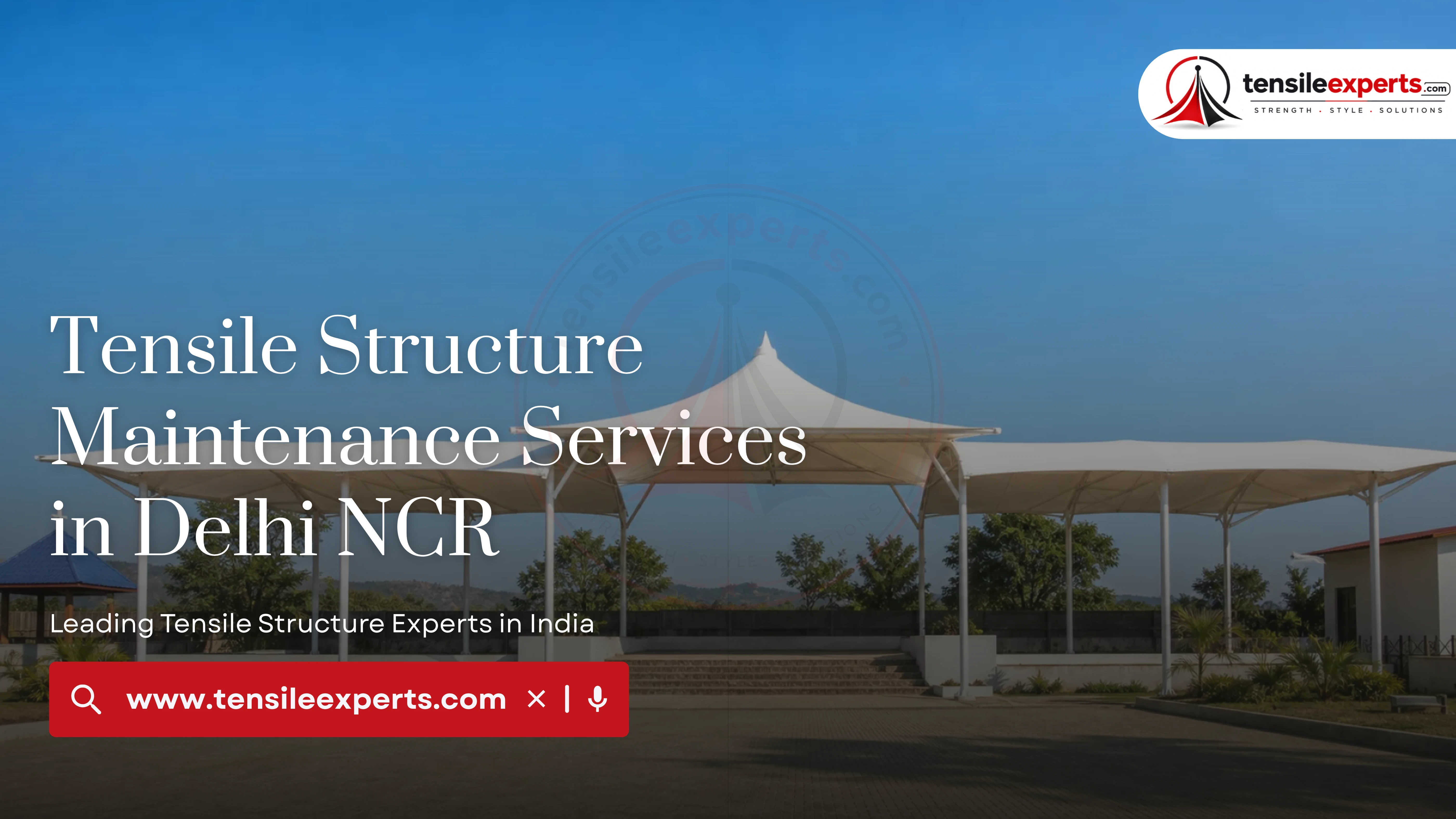
A tensile structure doesn't need much upkeep compared to conventional construction, but "not much" isn't "none." Fabric tension, anchor hardware, and drainage all change slowly over years of sun, rain, and wind exposure — catching that early is a lot cheaper than waiting for it to become a visible problem.
In This Guide
Why Tensile Structures Need Ongoing Maintenance
Fabric under tension moves slightly over years of wind and thermal cycling, anchor hardware is exposed to weather the same way the fabric is, and drainage paths can pick up debris over time. None of this is a sign something was designed or installed wrong — it's just what happens to any outdoor structure over years of real exposure, and it's exactly why periodic maintenance exists.
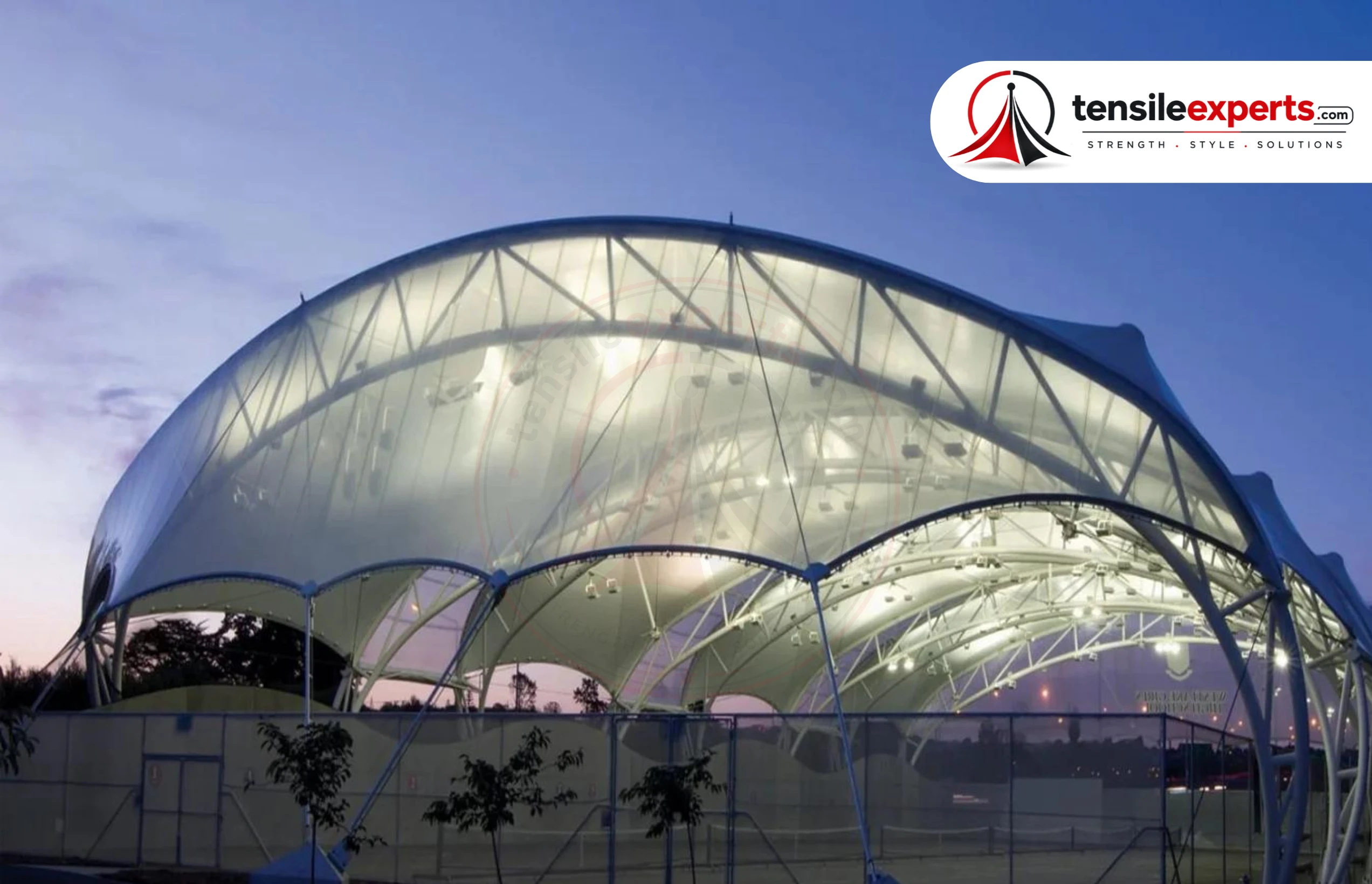
What a Maintenance Visit Actually Covers
| What Gets Checked | Why It Matters |
|---|---|
| Fabric condition and cleanliness | Catches early wear or staining before it affects appearance or performance |
| Tension levels | Fabric that has loosened slightly over time is re-tensioned to restore proper structural performance |
| Anchor points and hardware | Checked for corrosion or wear, since these carry the structure's full load |
| Drainage paths | Cleared of debris so water continues to run off the way it was designed to |
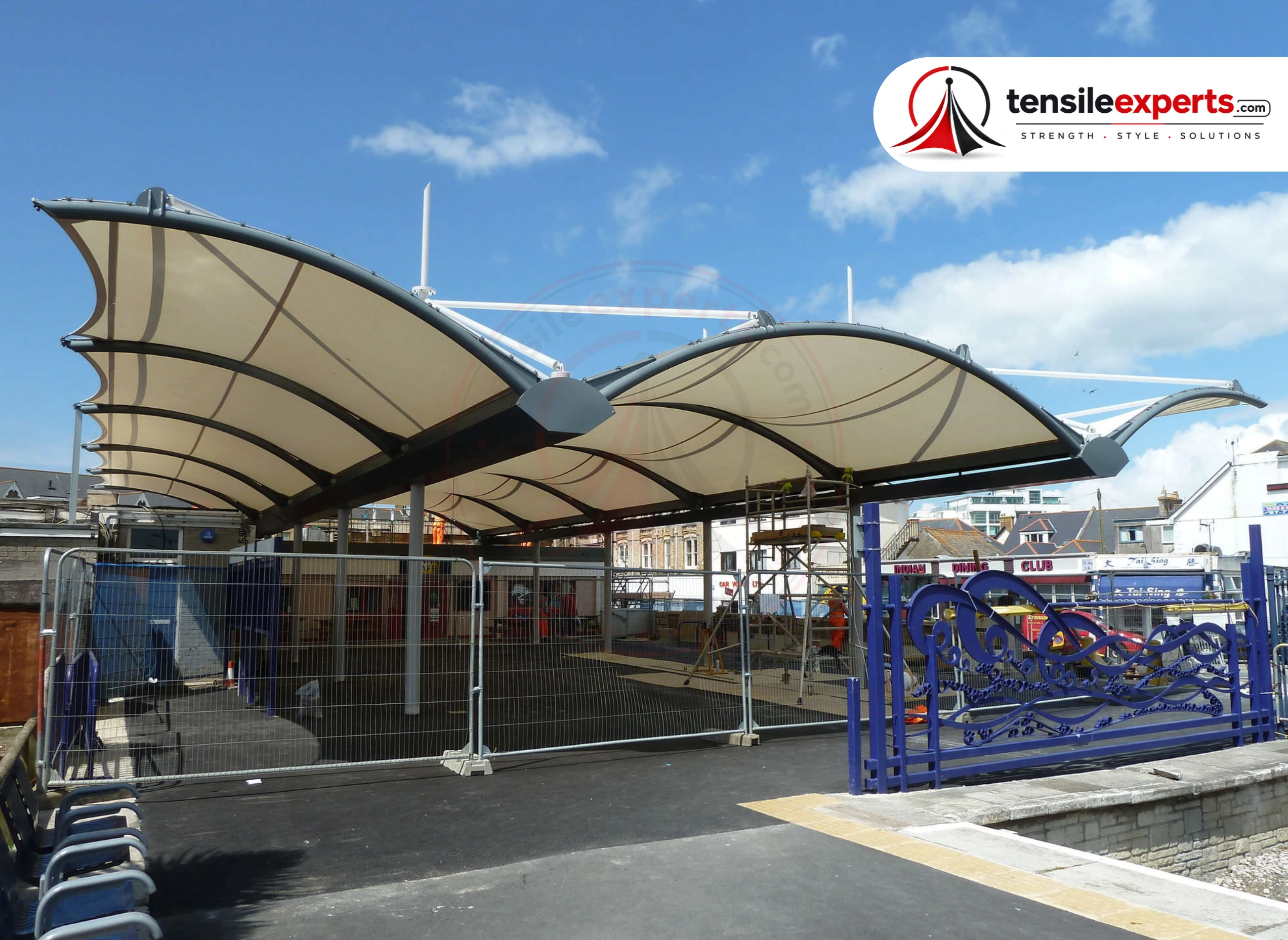
| Track/frame mechanism (retractable structures only) | Checked for smooth, safe opening and closing |
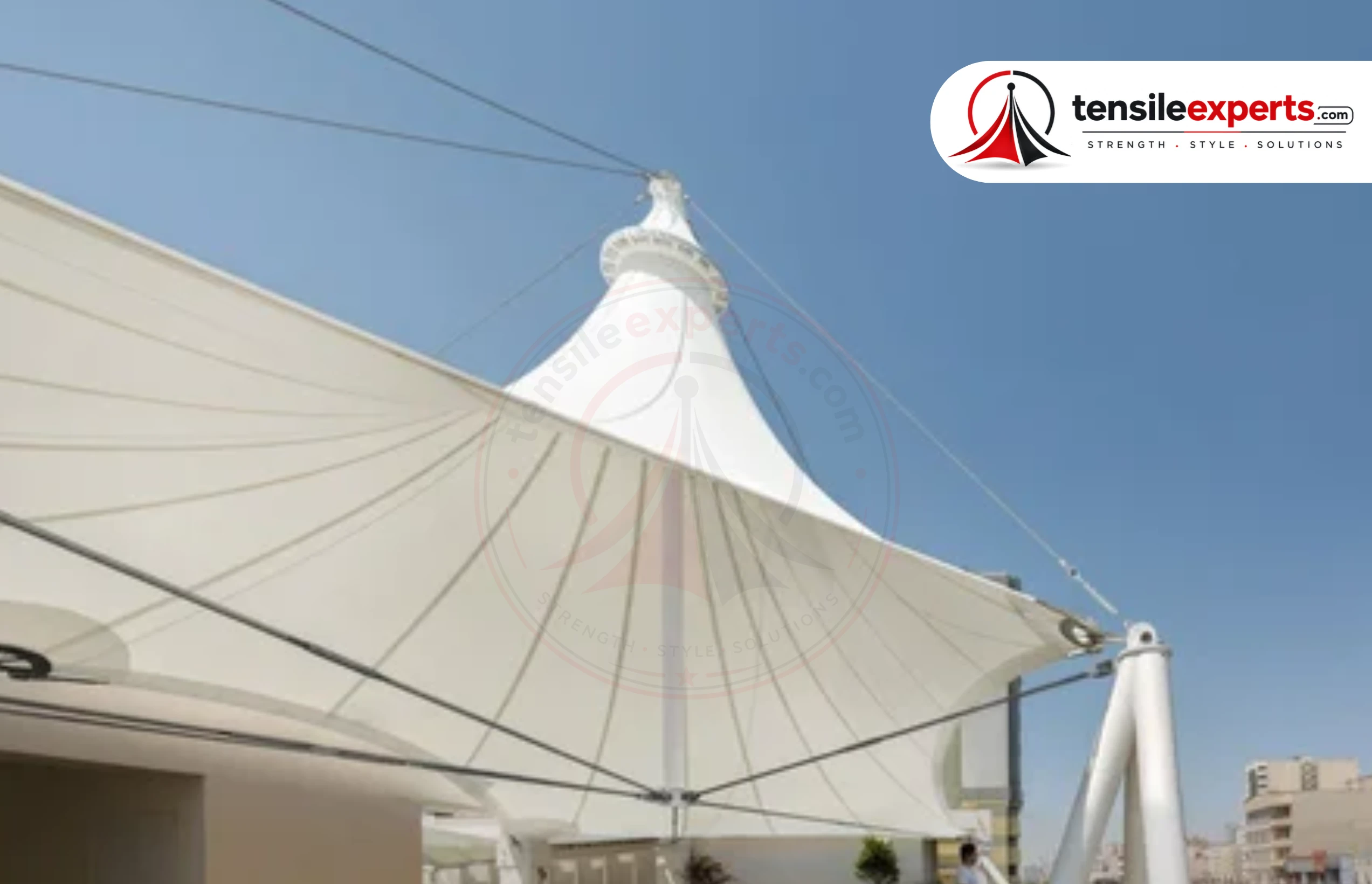
Re-Tensioning — Why It Matters
A tensile structure's strength comes from fabric held under tension, not from a rigid frame carrying the load on its own. Over years of thermal expansion and contraction, wind loading, and general aging, that tension can loosen slightly — re-tensioning brings it back to where it should be, both for appearance (a taut fabric surface looks and sheds water differently than a slightly slack one) and for how the structure actually performs under load.
When to Schedule Maintenance
A check after monsoon season is worth doing given the wind and rain exposure the structure just went through, and a pre-summer check makes sense too, similar to the timing already worth planning around for new installations. Beyond that, timing depends on your specific structure's exposure and fabric grade rather than a fixed universal schedule.
Does Fabric Grade Affect Maintenance Needs?
To some extent. PVDF's self-cleaning top-coat — originally chosen for dusty or high-pollution sites — needs less manual cleaning over time than standard PVC or PTFE. That doesn't remove the need for periodic inspection of tension and hardware, but it does reduce one part of the upkeep. See our tensile structure page for the full fabric-grade comparison.
Areas We Cover
We provide maintenance services across Delhi NCR:
Related Guides

Our Maintenance Process
| Step | What Happens |
|---|---|
| 1. Initial Discussion | Understanding your structure's age, use, and any specific concerns. |
| 2. Inspection Visit | Fabric, tension, anchor hardware, and drainage checked in person. |
| 3. Findings & Recommendation | What needs attention now versus what can wait, explained clearly. |
| 4. Quote | A clear quote for any re-tensioning or repair work needed. |
| 5. Service | Re-tensioning, cleaning, or repair carried out by our own team. |
| 6. Sign-Off | Structure checked over before we consider the visit complete. |
Why Tensile Experts for Maintenance
Tensile Experts provides maintenance, re-tensioning, and repair support after handover, not just installation — the same in-house team that designs and fabricates also handles the aftercare. Browse the project gallery to see finished examples of the structure types we build.
Structures We Maintain

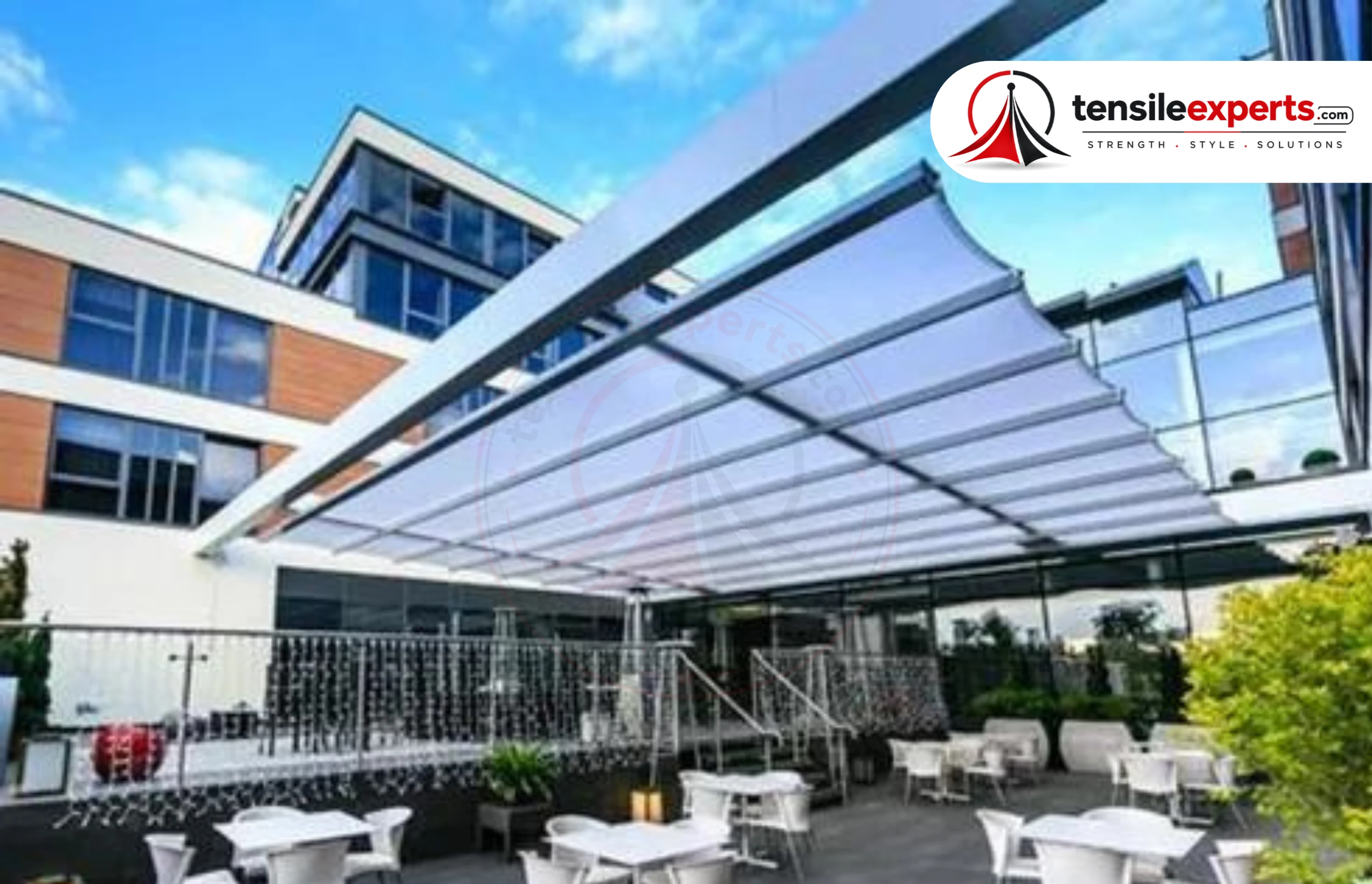
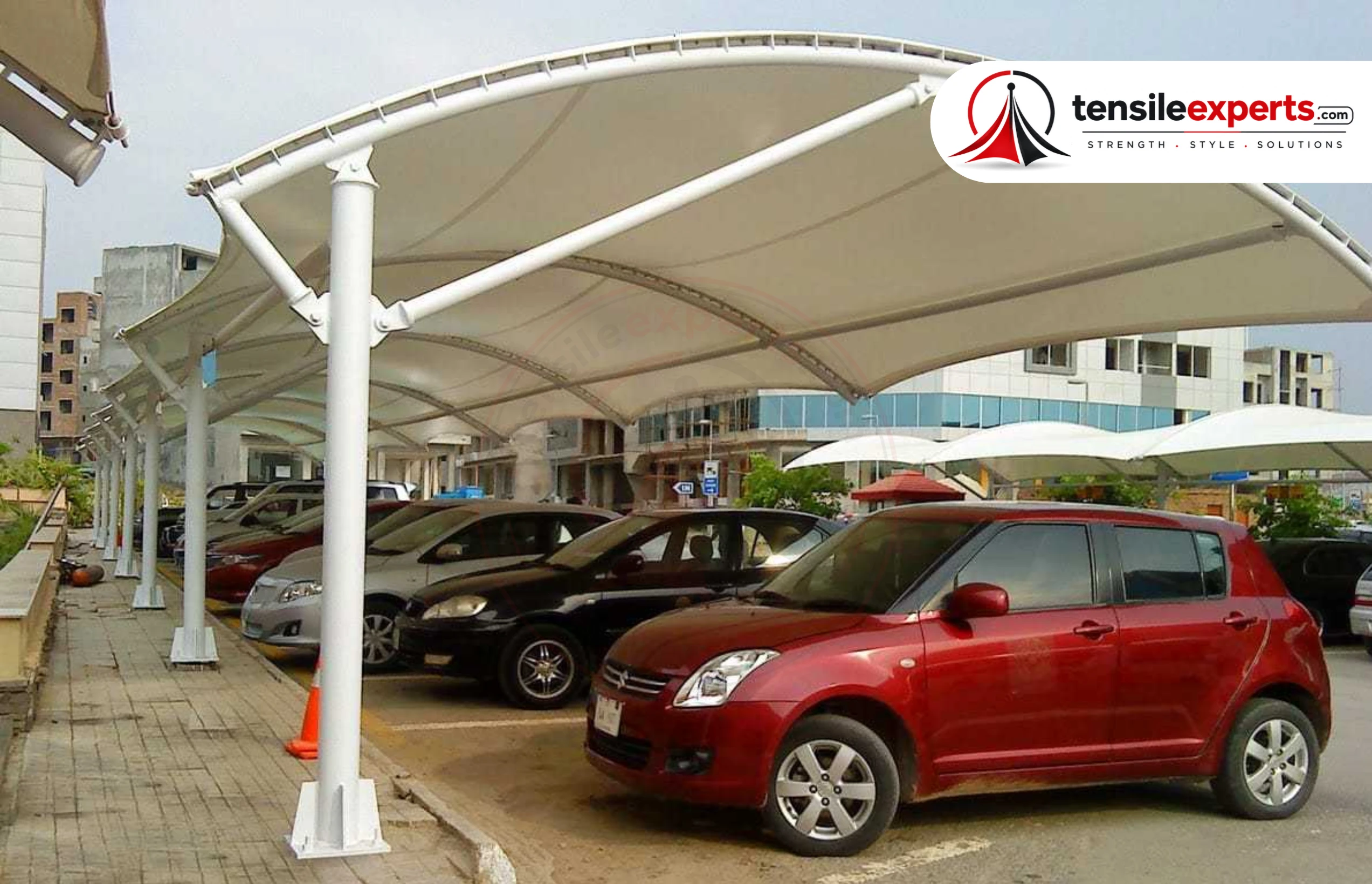
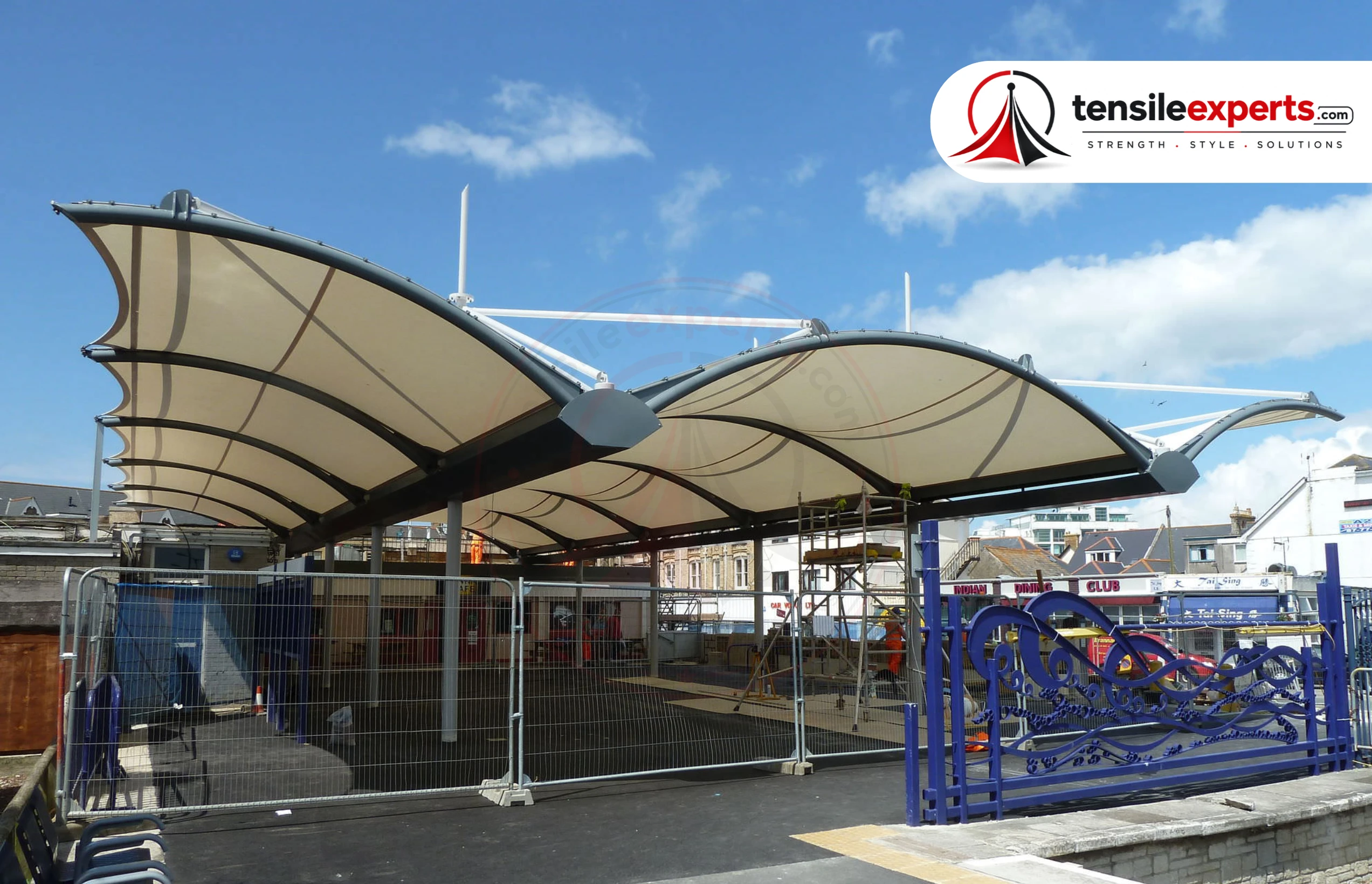
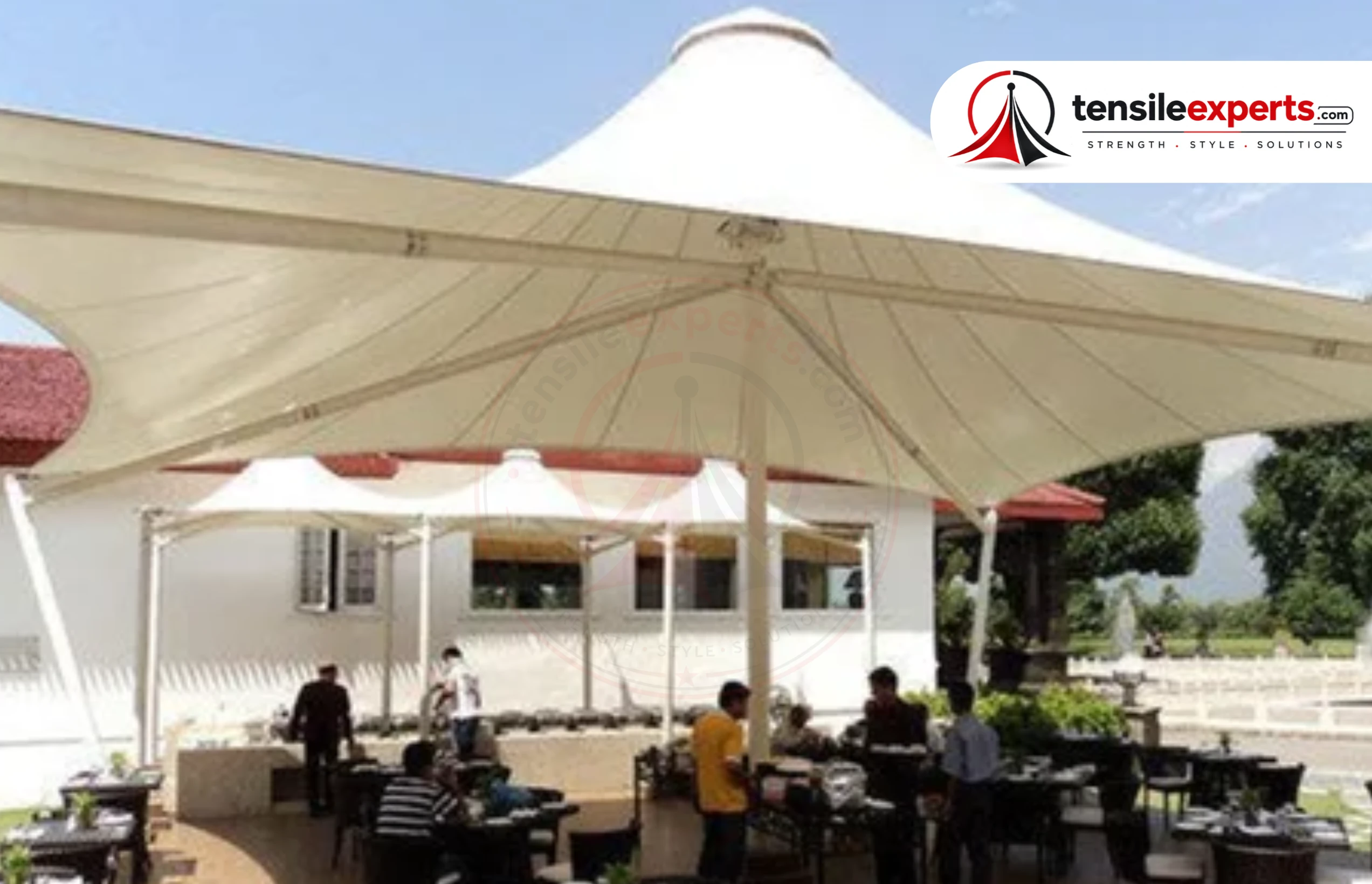
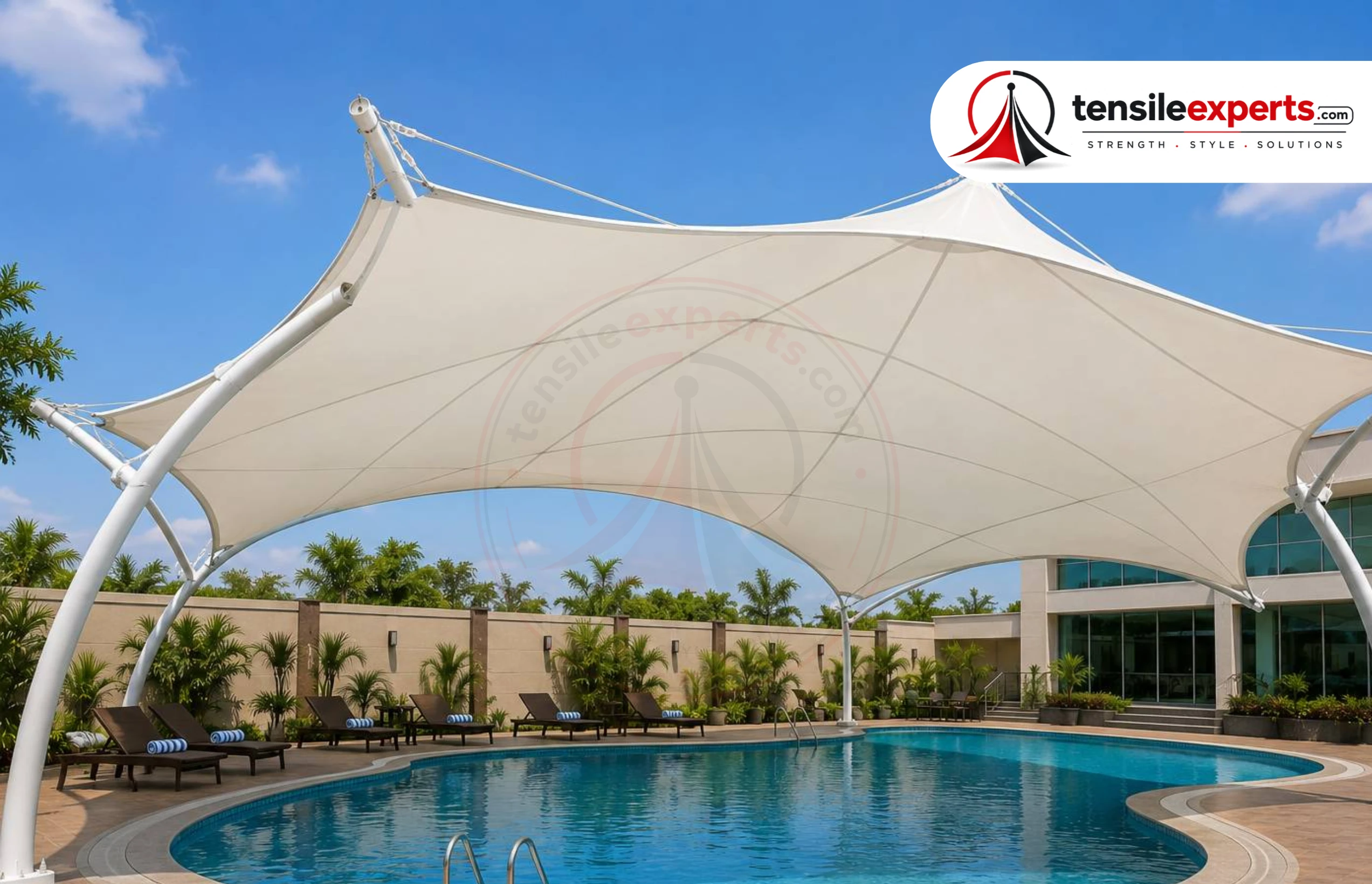

See the full product directory for everything we design and fabricate.
Frequently Asked Questions
Need a maintenance check for your structure? Get in touch to schedule an inspection.