











New Delhi · Projects Across India Design · Fabrication · Installation

Tensile Structure Engineering Guide: Shapes, Loads & Support Systems Explained

Tensile Structure Engineering Guide: Shapes, Loads & Support Systems Explained Engineering Reference
Tensile Structure Engineering Guide: Shapes, Loads & Support Systems Explained

Sep 11, 2026

A quick-reference glossary of the core tensile structure engineering terms — form-finding, anticlastic curvature, prestress, wind and snow load, and foundation/support types — with links to full guides on each.

Tensile Structure Engineering Guide: Shapes, Loads & Support Systems Explained
www.tensileexperts.com Tensile Structure Engineering Guide: Shapes, Loads & Support Systems Explained A quick-reference glossary of the core tensile structure engineering terms — form-finding, anticlastic curvature, prestress, wind and snow load, and foundation/support types — with links to full guides on each.
Share this article
Link copied! Paste it in your Instagram Story or Bio.

Tensile structure engineering has its own vocabulary — terms like form-finding, prestress, and anticlastic curvature that don't come up in conventional construction. This guide is a quick reference for what each term actually means, with links to our full guides where a topic deserves more than a definition.

Shape & Form Terms

Form-finding is the process of working out a tensile membrane's actual 3D curved shape from its anchor points and applied tension — the shape is a result of physics, not a freely chosen outline. Anticlastic (saddle) curvature is the double-curved shape most tensile membranes take, curving up in one direction and down in the other, which is what lets the fabric resist both wind uplift and water ponding simultaneously. Prestress is the tension deliberately built into the membrane during installation, before any wind or rain load is added — it's what keeps the fabric taut and stable at rest. See our design process guide for how these come together in an actual project.
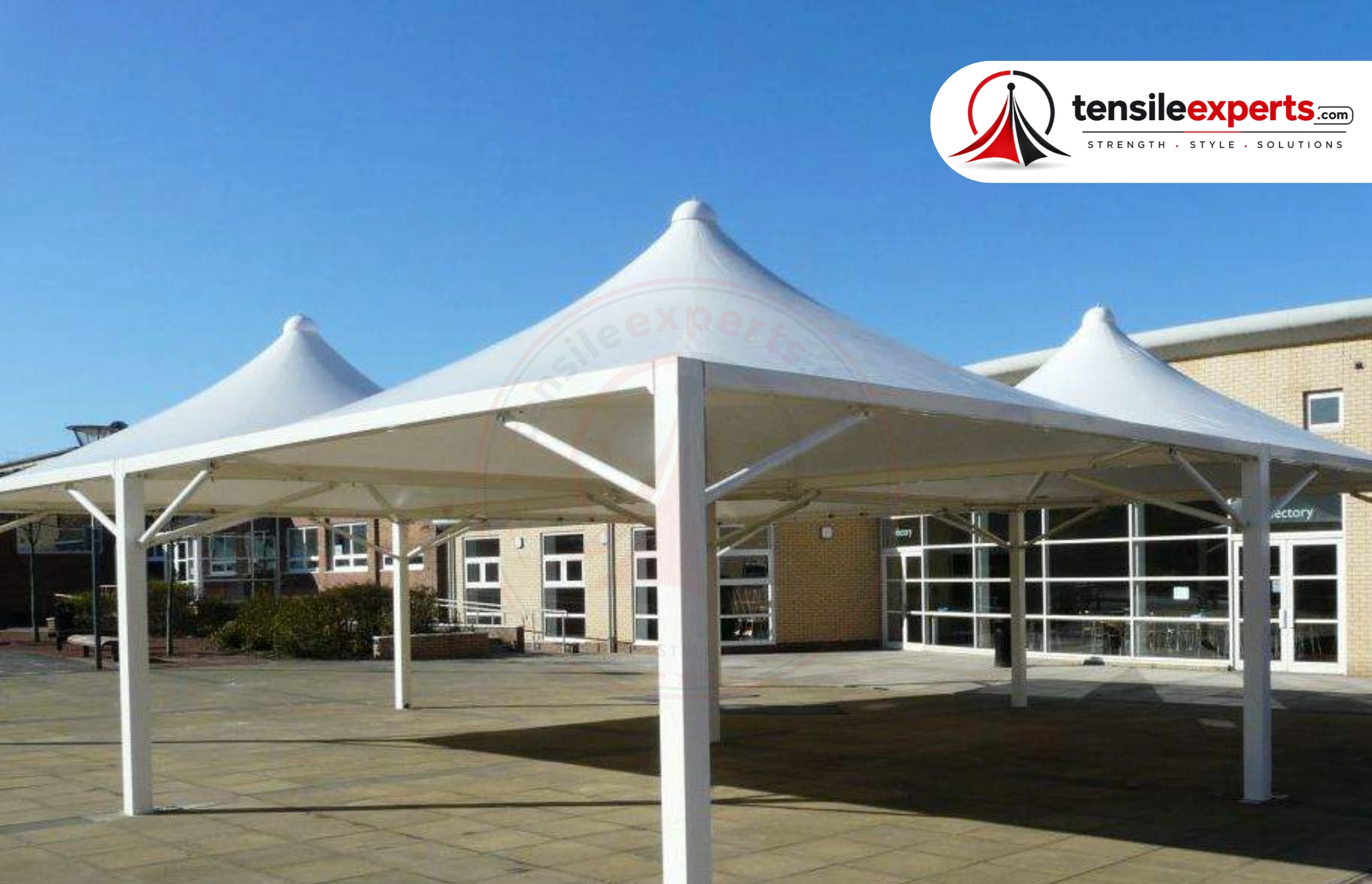
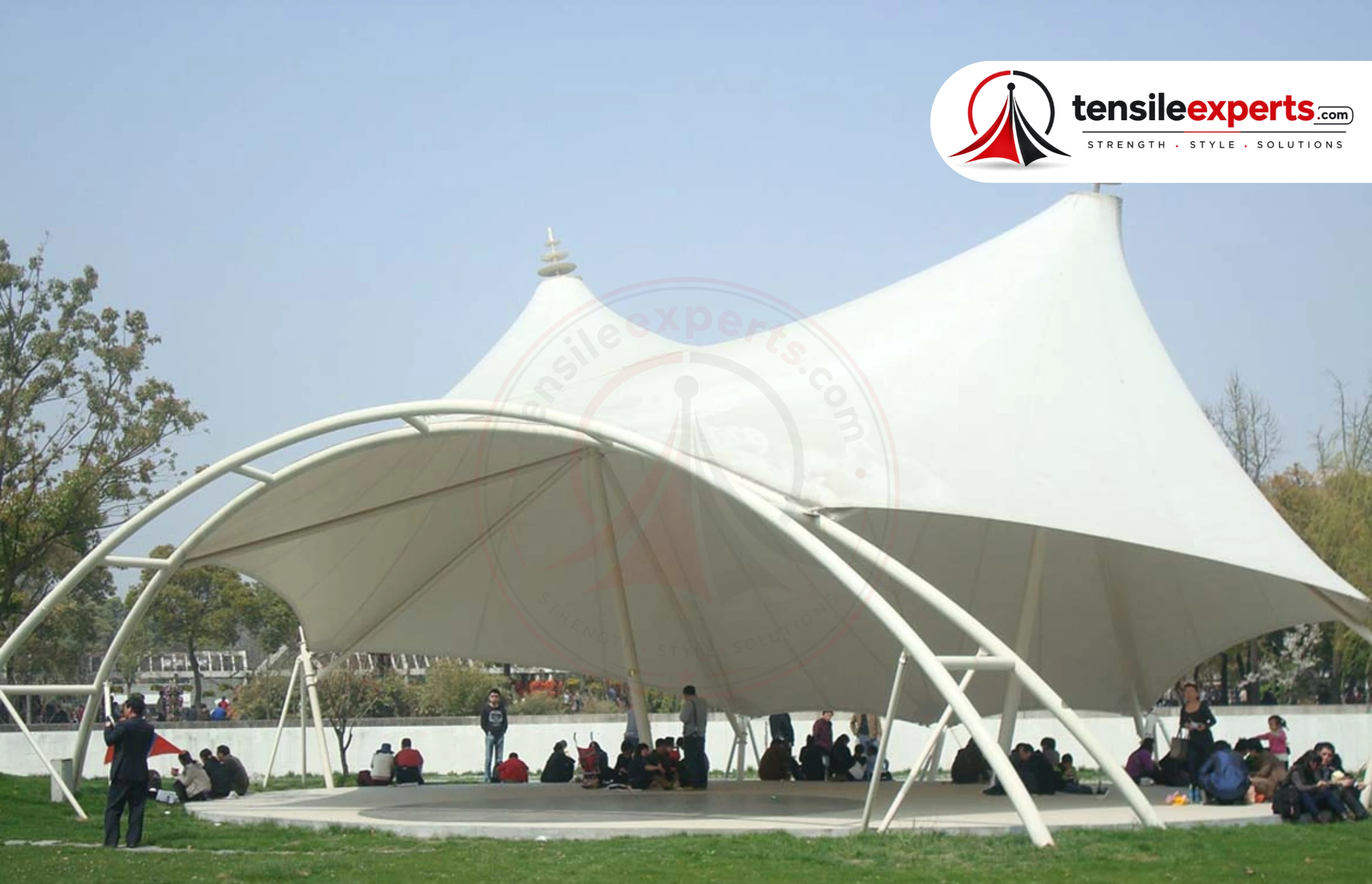
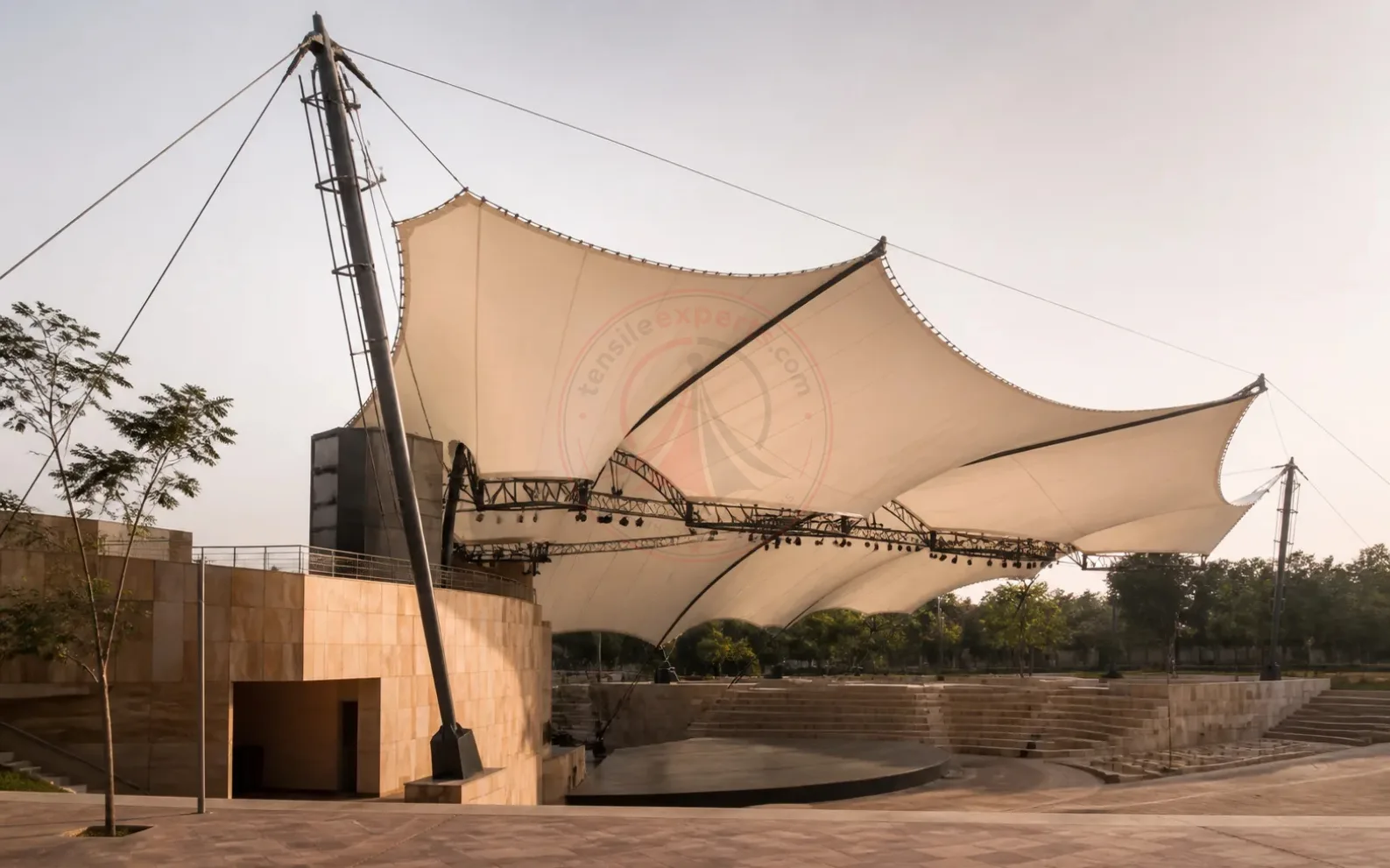
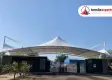
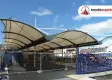
Anticlastic, saddle-shaped curvature is what gives a tensile membrane its structural stability.

Load Terms

Wind load is the primary structural load most tensile structures in India are engineered for — it acts differently on a curved membrane than on a flat roof, which is why load analysis has to be done specifically for the tensioned shape, not assumed from a flat-roof calculation. Snow load is a secondary factor relevant mainly to hill-station and high-altitude sites. Membrane stress refers to how tension distributes across the fabric surface under load — uneven stress distribution is what causes premature wear or localized sagging if a design or fabrication step is done incorrectly. Full explanation: our wind load design guide.

Support & Foundation Terms

Tensile structures transfer their tensioned loads into the ground through masts (compression struts), cables, and anchor points, which in turn need an appropriate foundation — the specific type (isolated footing, raft, or anchor-bolt-into-existing-slab, among others) depends on structure size, soil conditions, and site constraints, not a single universal answer. Full breakdown: our foundation types guide.

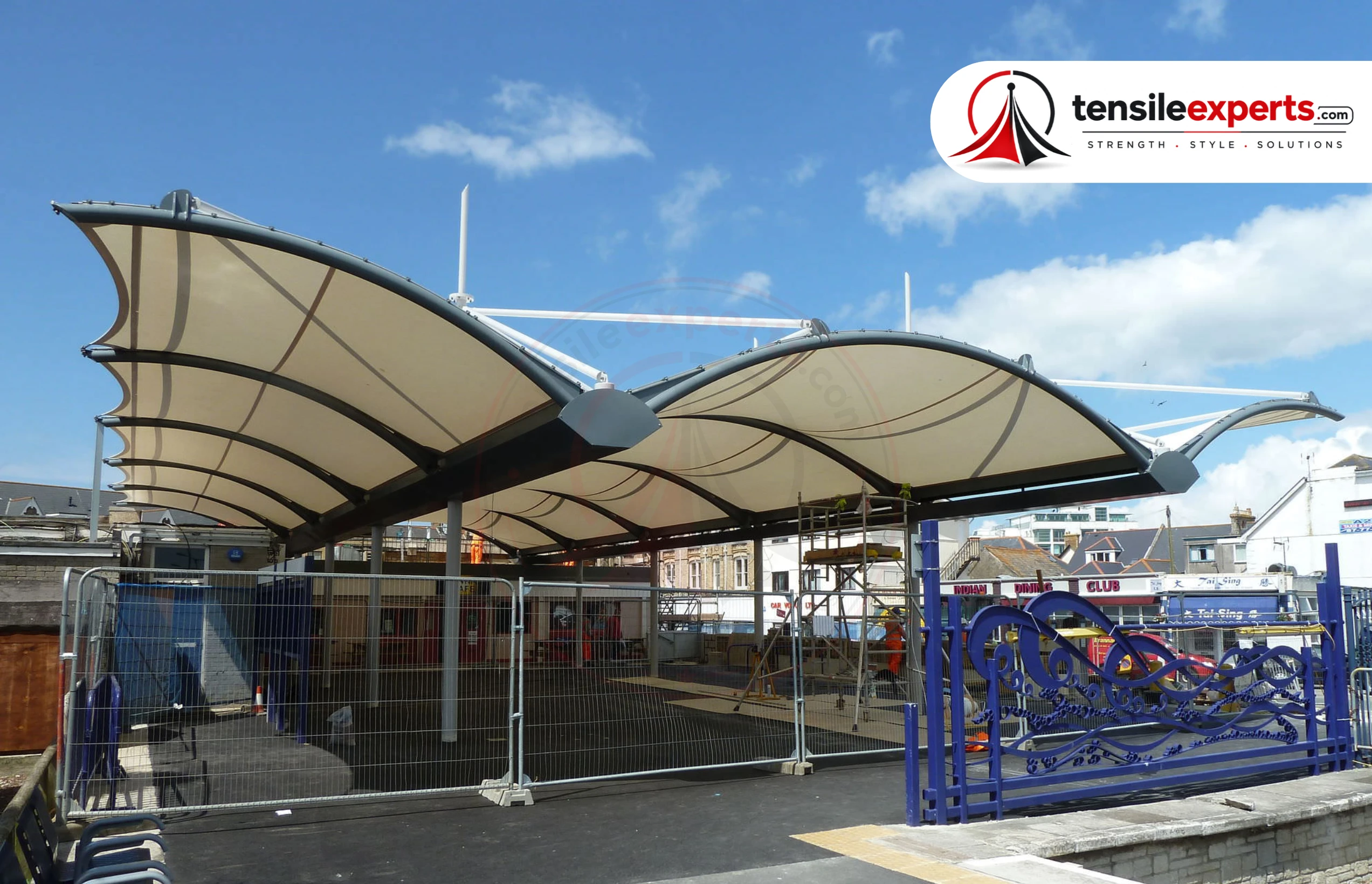
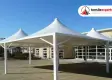
Masts, cables, and anchor points carry the membrane's tensioned load down into an appropriately engineered foundation.

Quick-Reference Table

TermWhat It MeansFull Guide
Form-findingDeriving the membrane's 3D shape from tension and anchor pointsRead guide
Anticlastic curvatureThe saddle-shaped double curve typical of tensile membranesRead guide
PrestressInitial tension applied before any external loadRead guide
Wind loadThe primary structural load for most Indian sitesRead guide
Foundation typeHow the structure's load is transferred into the groundRead guide

Explore by Product

See the full product directory for everything we design and engineer.

Frequently Asked Questions

Prestress is the initial tension applied to the fabric during installation, before wind or rain load is added. Without it, the membrane would be slack and unable to hold its engineered shape — the prestress is what keeps it taut and stable at rest.

Anticlastic means the surface curves upward in one direction and downward in the other (a saddle shape), which is what gives a tensile membrane its structural stability — it resists both wind uplift and water ponding at the same time, unlike a single-direction curve.

No — foundation requirements vary by structure size, span, and local soil conditions. See our foundation types guide for how this is actually decided per project.

Wind load is the primary factor for most Indian sites. Snow load matters specifically for hill-station and high-altitude locations — see our hill station precautions guide for that specific case.

Our design process guide walks through form-finding, load analysis, fabrication patterning, and drawing review in sequence.

Have a specific engineering question about your site? Get in touch.

Rajiv Gangwar

Rajiv Gangwar

Writing at Tensile Experts, sharing practical guidance on tensile fabric structures — design, materials, and installation — for clients across India, with a strong focus on Delhi, Gurgaon, and the NCR region.

Contact Us

Tensile Structure Guides

Latest From Our Blog

Practical guides on tensile fabric structures — design, materials, cost, and installation — for clients across India

Are Tensile Structures Sustainable? Material Lifecycle & Environmental Impact

A qualified look at the genuine sustainability considerations of tensile fabric structures — material efficiency, daylighting, fabric lifespan, and end-of-life factors — without overstated claims.

Badminton Court Tensile Structures — Complete Guide

Real badminton court dimensions, clearance-height requirements, and single vs. multi-court layouts for a tensile roof structure — real specs and how it compares to a general stadium structure.

Best Tensile Structure Company in Delhi NCR — How to Choose

A practical checklist for choosing a tensile structure company in Delhi NCR — what to check, what questions to ask, and why in-house manufacturing matters, before you sign off on a quote.


Send Email
Call Us
WhatsApp
White large-span tensile membrane structure Delhi · Pan-India execution
Project consultation

Build the right tensile structure for your space.

Send us your application, approximate size and site location. We’ll help you identify the right structural approach and membrane option.

01 Share your site 02 Review the concept 03 Plan execution
Loading...

Sending your message...

Please wait