





























Coimbatore's identity as one of South India's major textile and textile-machinery manufacturing hubs — sometimes called the "Manchester of South India" — means the structural needs of a spinning or weaving floor come up often: wide, column-free spans for rows of machinery, fabric that can be specified for fire safety given airborne fiber and lint, and a layout that can expand as production lines grow. Here's what's actually involved.
In This Guide
- Why Coimbatore Comes Up for Textile Units
- Column-Free Spans for Machinery Rows
- Typical Specifications
- Fire-Safety Fabric Grades for Lint-Prone Floors
- Modular Expansion as Production Grows
- Choosing a Fabric Grade
- Areas We Cover
- Related Guides
- Our Process, Step by Step
- Explore by Product
- Frequently Asked Questions
Why Coimbatore Comes Up for Textile Units
Coimbatore is a well-known concentration point for South Indian textile manufacturing — spinning mills, weaving units, and the machinery makers who supply them. That density of similar facilities is why the specific structural questions a textile floor raises (span, lint exposure, expansion) come up as a recurring, real pattern rather than a one-off request.

Column-Free Spans for Machinery Rows
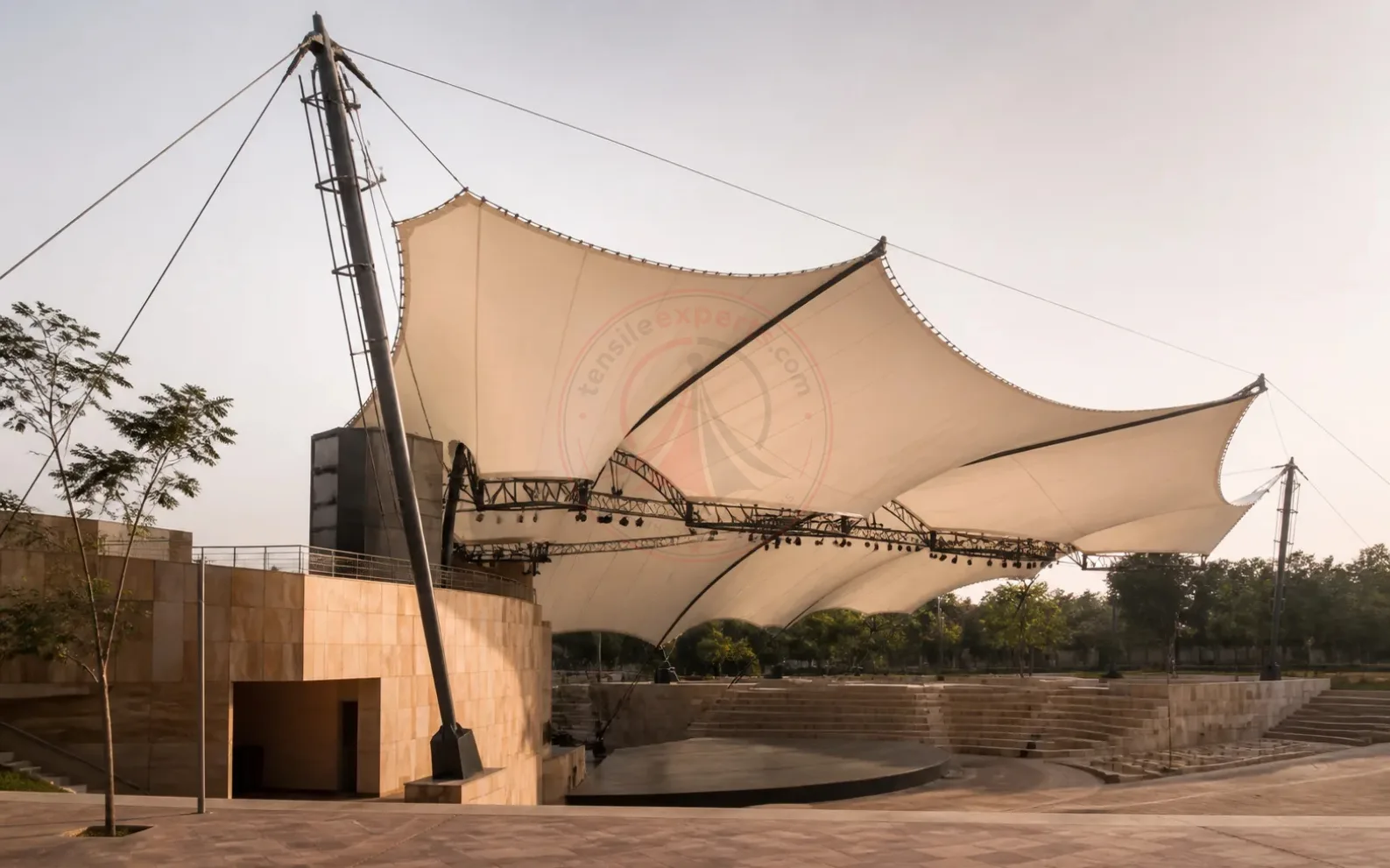
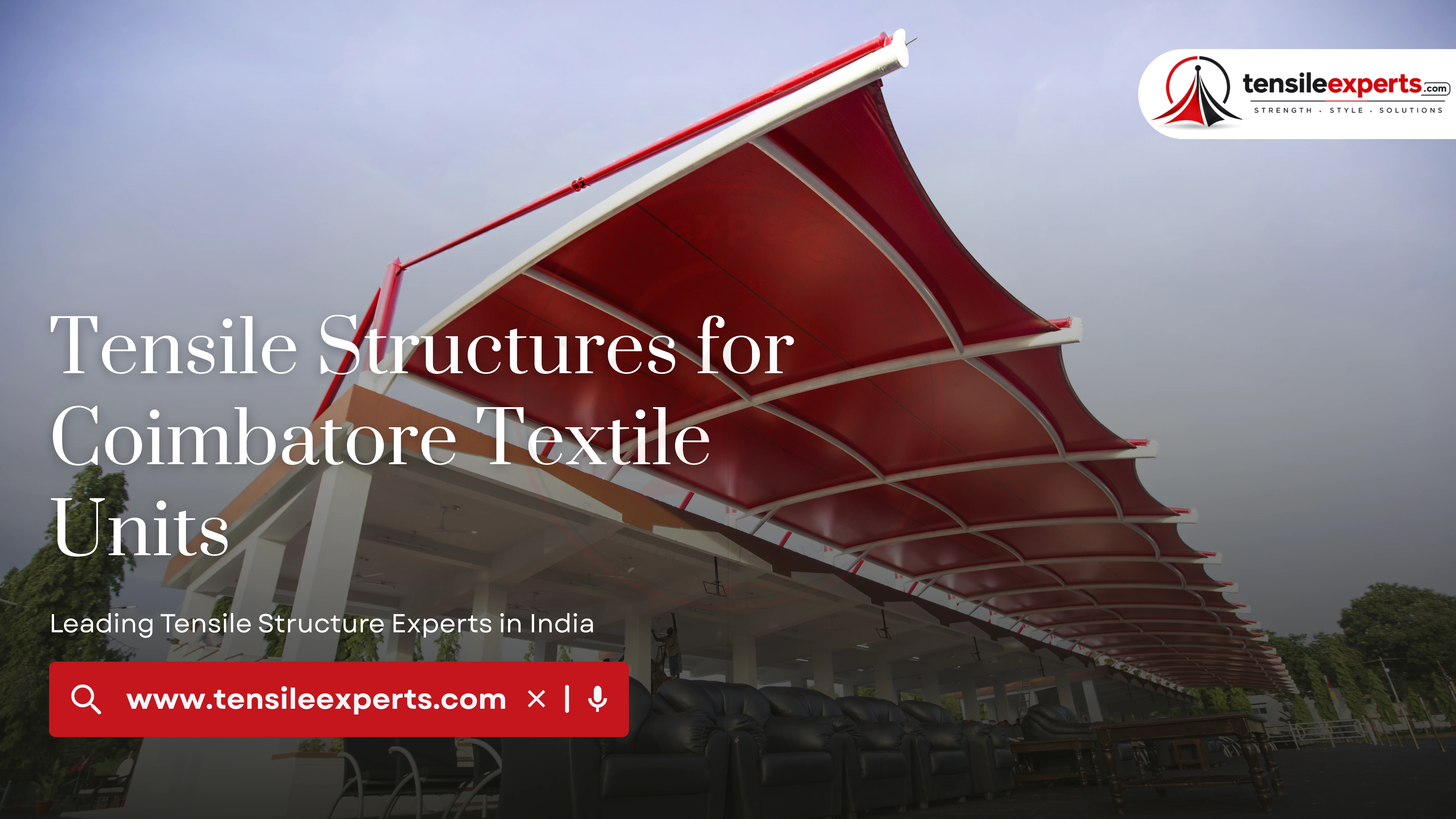
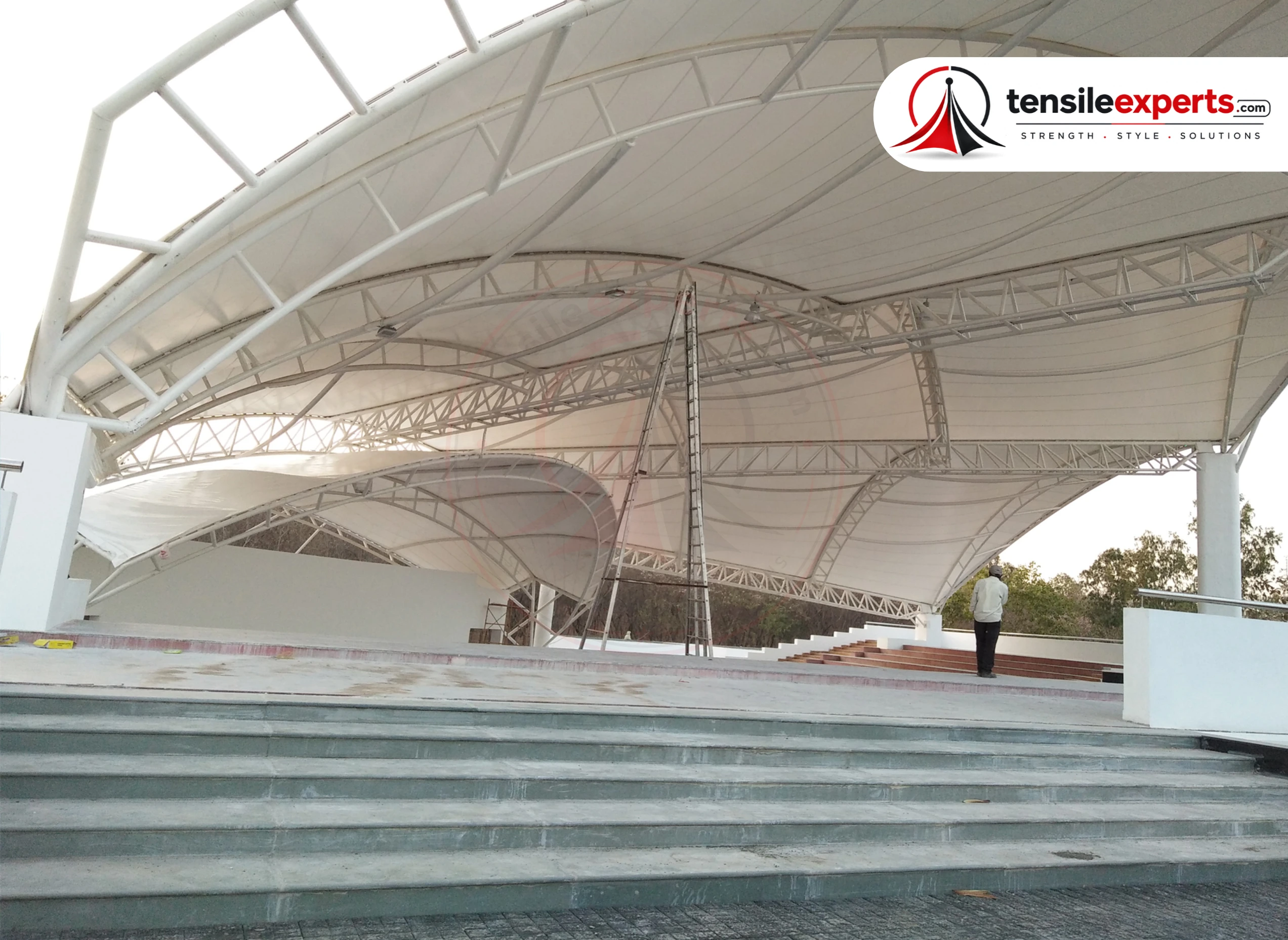
Spinning and weaving machinery is typically laid out in long, continuous rows, and interior columns interrupt that layout in ways that cost usable floor space and complicate maintenance access. A tensile roof structure carries load through tension rather than compression, which is what allows it to span wide areas — from roughly 5m up to 100m or more depending on the application — without interior support columns getting in the way.
Typical Specifications
| Specification | Typical Range |
|---|---|
| Span / Size | 5m–100m+, application-dependent |
| Height / Clearance | Follows building/machinery-line design |
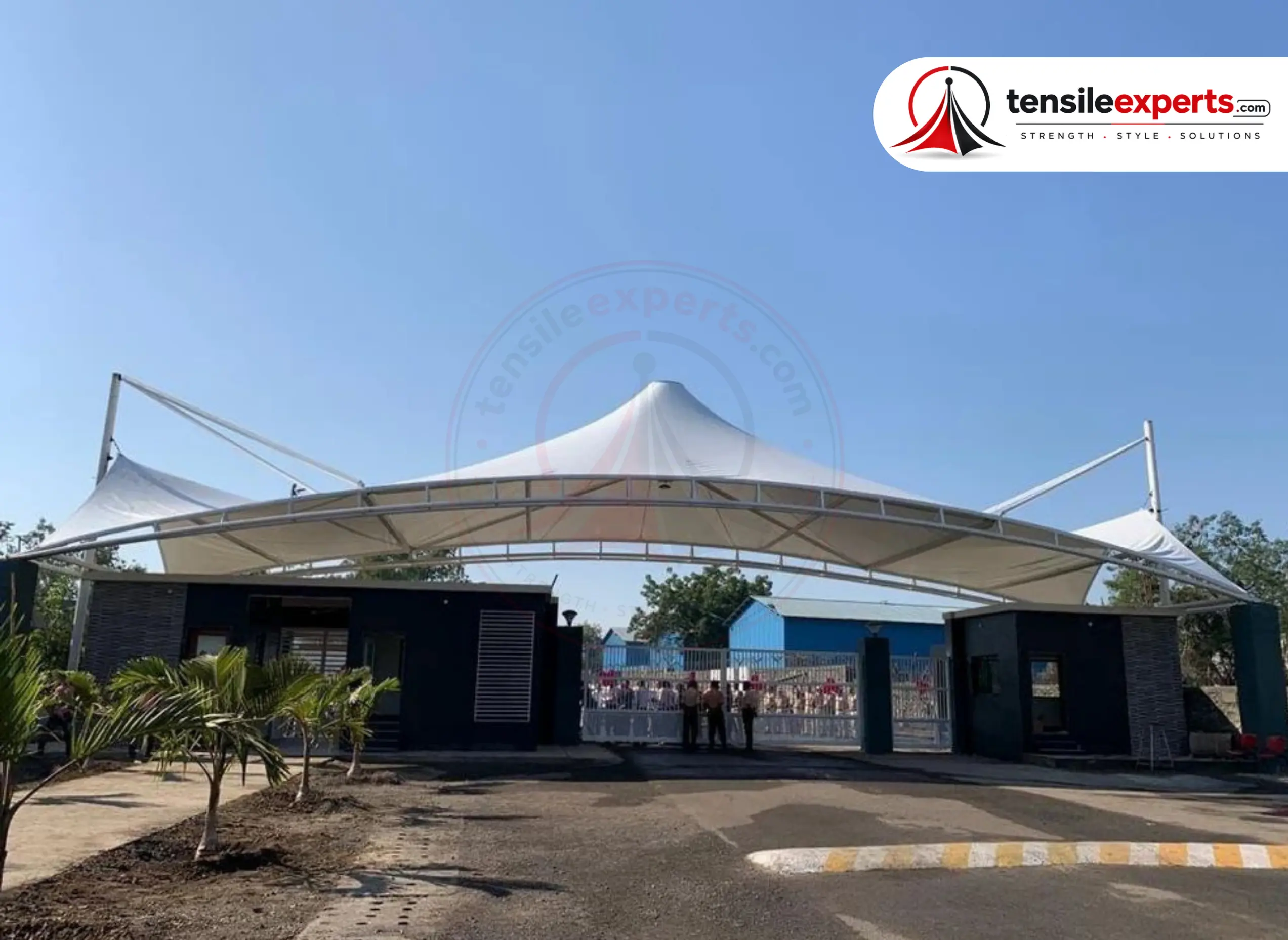
| Structural Form | Saddle, barrel, or flat roofing form |
| Recommended Fabric | PVC, PTFE, or PVDF — fire-retardant grades available |
| Foundation | Ties into the building's structural frame or independent footings |
Fire-Safety Fabric Grades for Lint-Prone Floors
Airborne cotton lint and fiber dust are a well-known fire-safety consideration on a working textile floor. Fire-retardant tensile fabric grades are available — for example DIN 4102 B1 or NFPA 701-type certified fabrics, depending on the supplier — and this is specified as part of the design conversation rather than defaulting to a standard grade without discussing it. We're not a fire-safety certification authority for your facility as a whole; this is about the fabric grade we fabricate with, confirmed alongside whatever broader compliance requirements apply to your site.
Modular Expansion as Production Grows
A facility adding spinning frames or looms over time is a good fit for a modular tensile structure approach — a repeating module design that lets you add more bays using the same structural design instead of a full redesign each time production expands.
Choosing a Fabric Grade
PVC, PTFE, or PVDF can all work, depending on span, budget, and how much weight you place on fire rating and long-term exposure to fiber dust. PTFE and PVDF grades generally offer better self-cleaning performance and a longer service life for a continuously-running facility. See our tensile structure page for the full comparison.
Areas We Cover
We take on industrial and textile-unit projects across Coimbatore and the wider region:
We also serve nearby locations across the region:
Related Guides


Our Process, Step by Step
| Step | What Happens |
|---|---|
| 1. Initial Discussion | Understanding the facility's machinery layout, span needs, and expansion plans if any. |
| 2. Site Visit | Span, existing structure, and fire-safety requirements confirmed in person. |
| 3. Design | Roofing form and fire-rated fabric grade proposed for the site. |
| 4. Quote | A site-specific quote before fabrication begins. |
| 5. In-House Fabrication | Handled by our own team. |
| 6. Installation | Scheduled to minimize disruption to an operating production floor. |
Why Tensile Experts for Your Coimbatore Facility
Tensile Experts designs, fabricates, and installs tensile roofing in-house for industrial and textile-unit facilities across Coimbatore and the wider region. Browse the project gallery for real project photos of the structure types we build.
Explore by Product

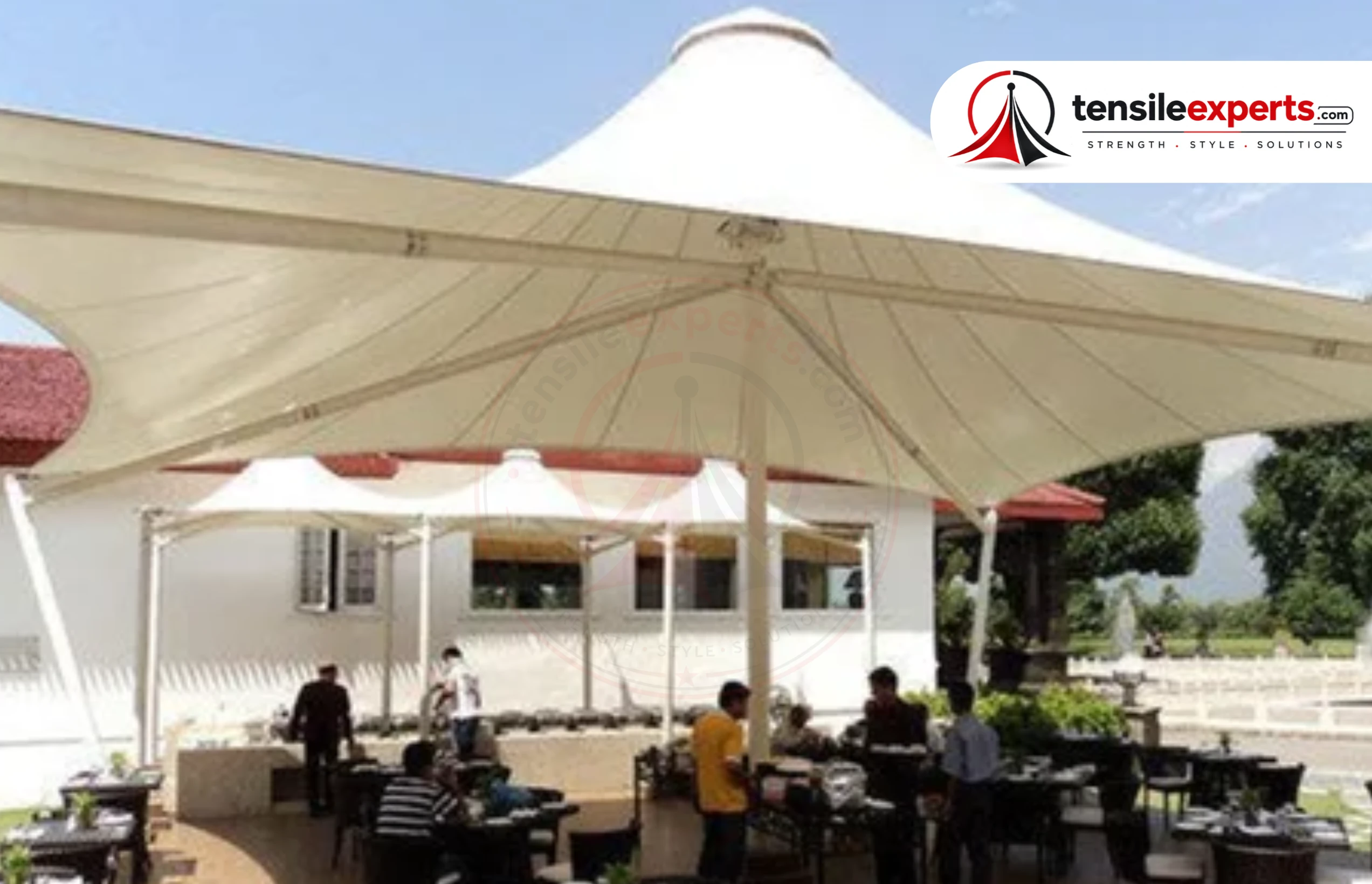

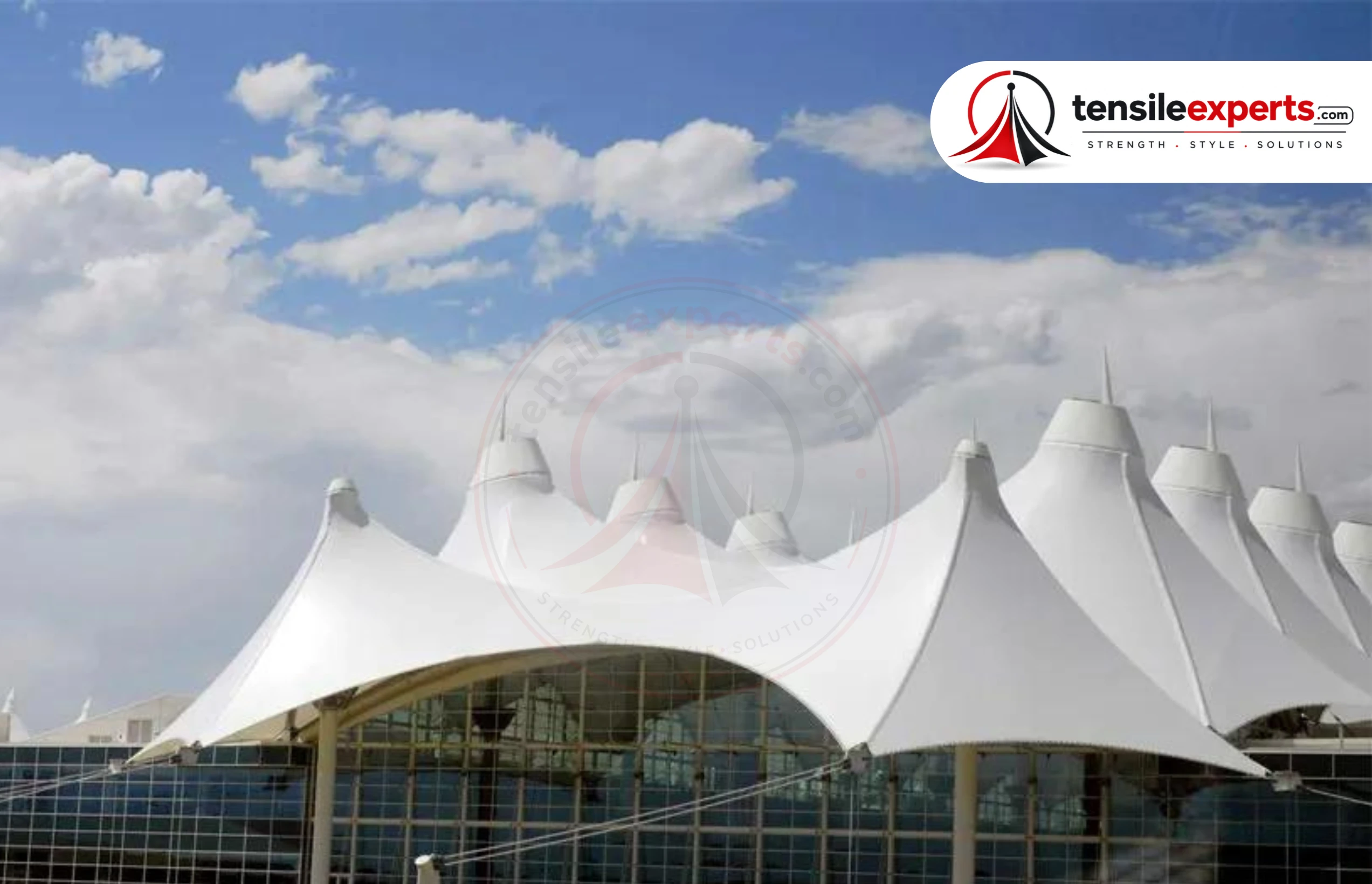
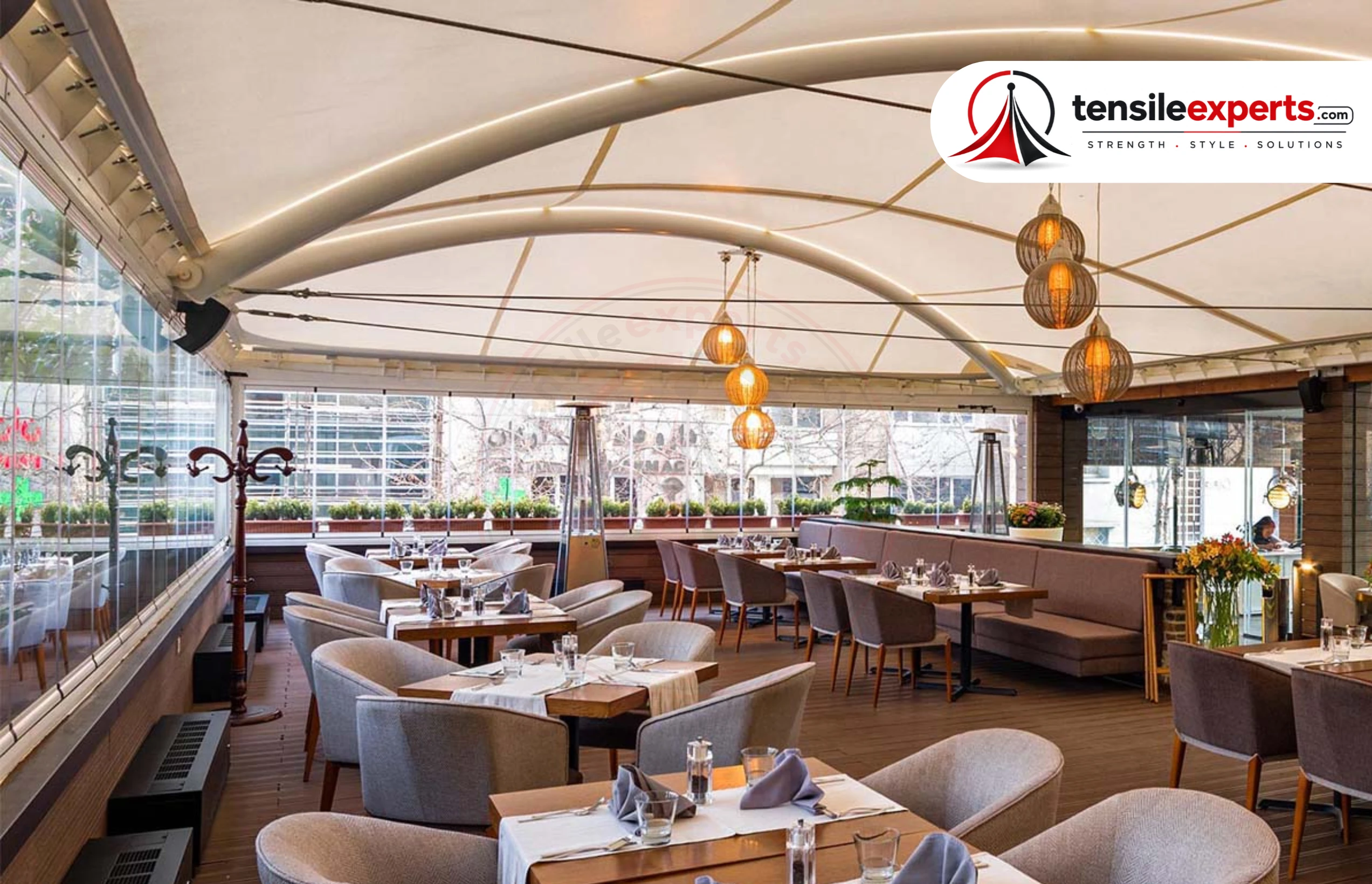
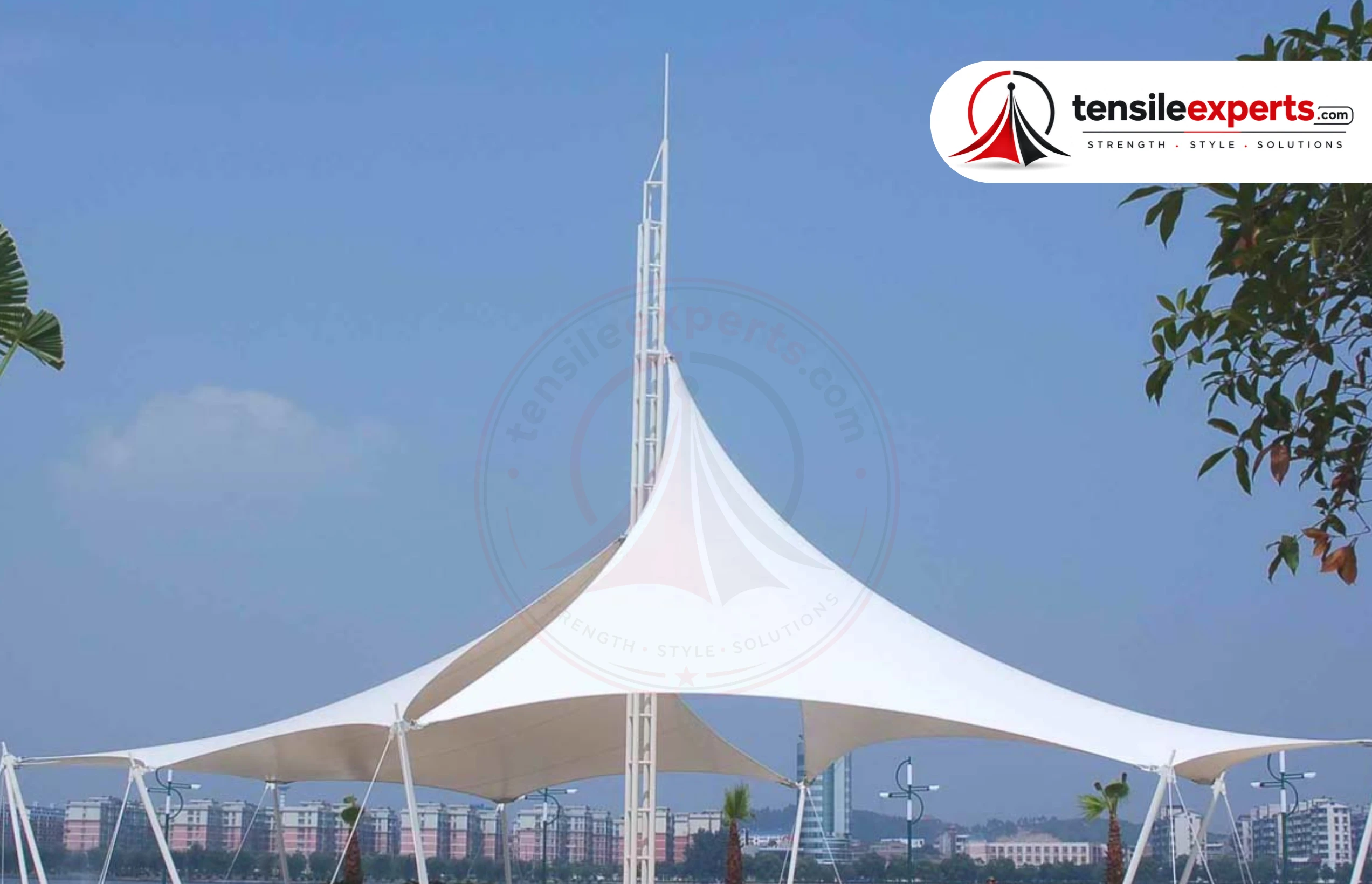
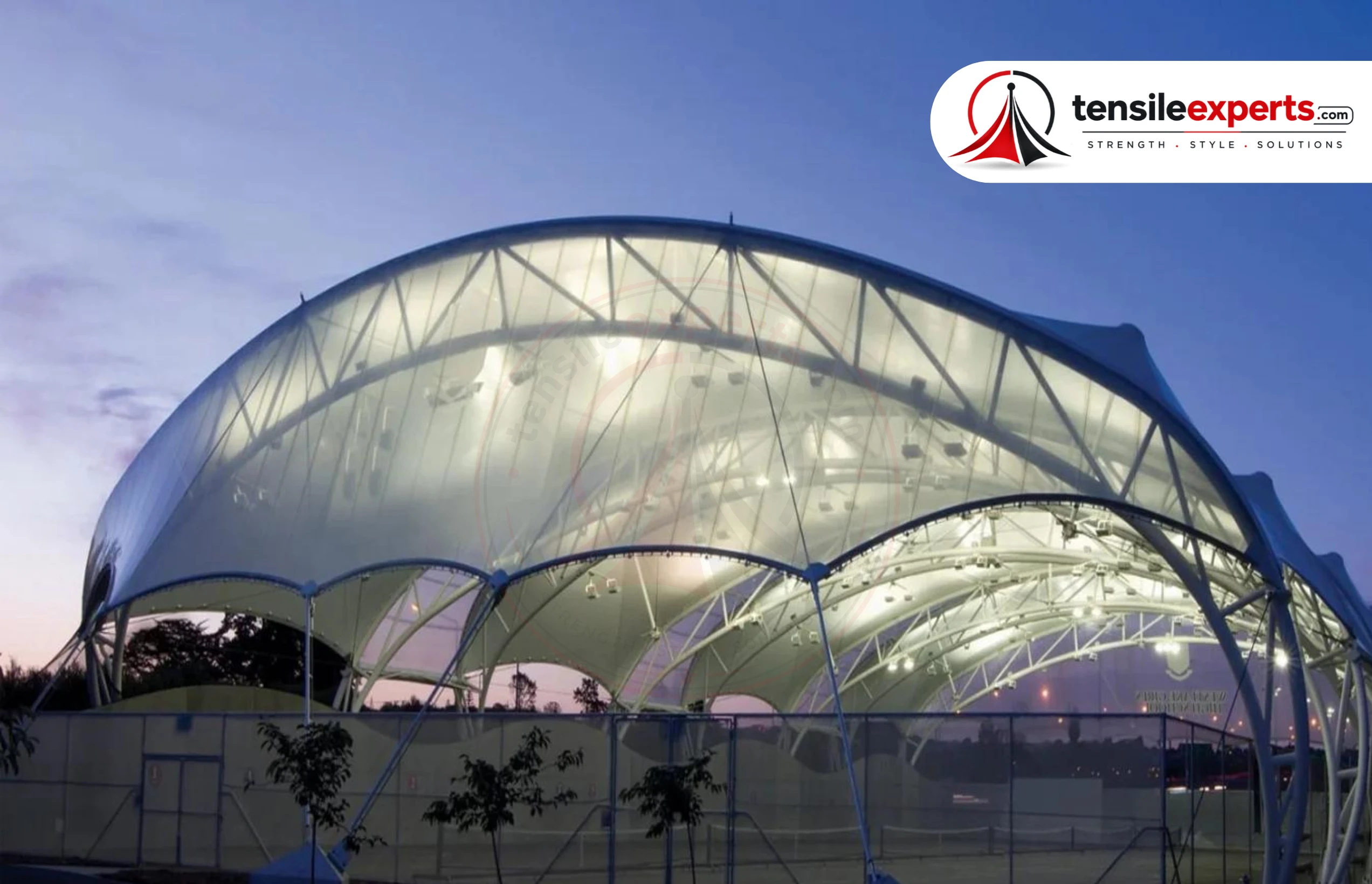
See the full product directory for everything we design and fabricate.
Frequently Asked Questions
Planning a tensile structure for your Coimbatore facility? Get in touch for a free site consultation.