





















New Delhi · Projects Across India Design · Fabrication · Installation

Tensile Structure Maintenance Checklist

Tensile Structure Maintenance Checklist Maintenance Checklist
Tensile Structure Maintenance Checklist

Aug 19, 2026

A real, practical maintenance checklist for tensile fabric structures — fabric, hardware, drainage, and seasonal checks, and how often each one actually needs doing.

Tensile Structure Maintenance Checklist
www.tensileexperts.com Tensile Structure Maintenance Checklist A real, practical maintenance checklist for tensile fabric structures — fabric, hardware, drainage, and seasonal checks, and how often each one actually needs doing.
Share this article
Link copied! Paste it in your Instagram Story or Bio.

Tensile structures need less maintenance than most people expect, but "less" doesn't mean "none" — a real maintenance routine is short, practical, and mostly about catching small issues before they become bigger ones. This guide is the checklist itself: what to check, how often, and what each item is actually looking for.

Fabric Surface Checks

A visual check of the fabric surface is the simplest, most frequent item on this list — looking for dirt buildup, discoloration, small tears, or areas where the fabric looks like it's lost tension and started to sag or pucker. Caught early, most of this is a cleaning or minor-adjustment issue; left unchecked, small wear can genuinely worsen over time as the same spot keeps flexing under wind and rain.

Fabric grade affects how often this check turns up something — PVDF's self-cleaning top-coat resists dirt adhesion noticeably better than standard PVC, so a PVDF structure often looks cleaner for longer between checks, though the check itself is still worth doing on the same schedule.
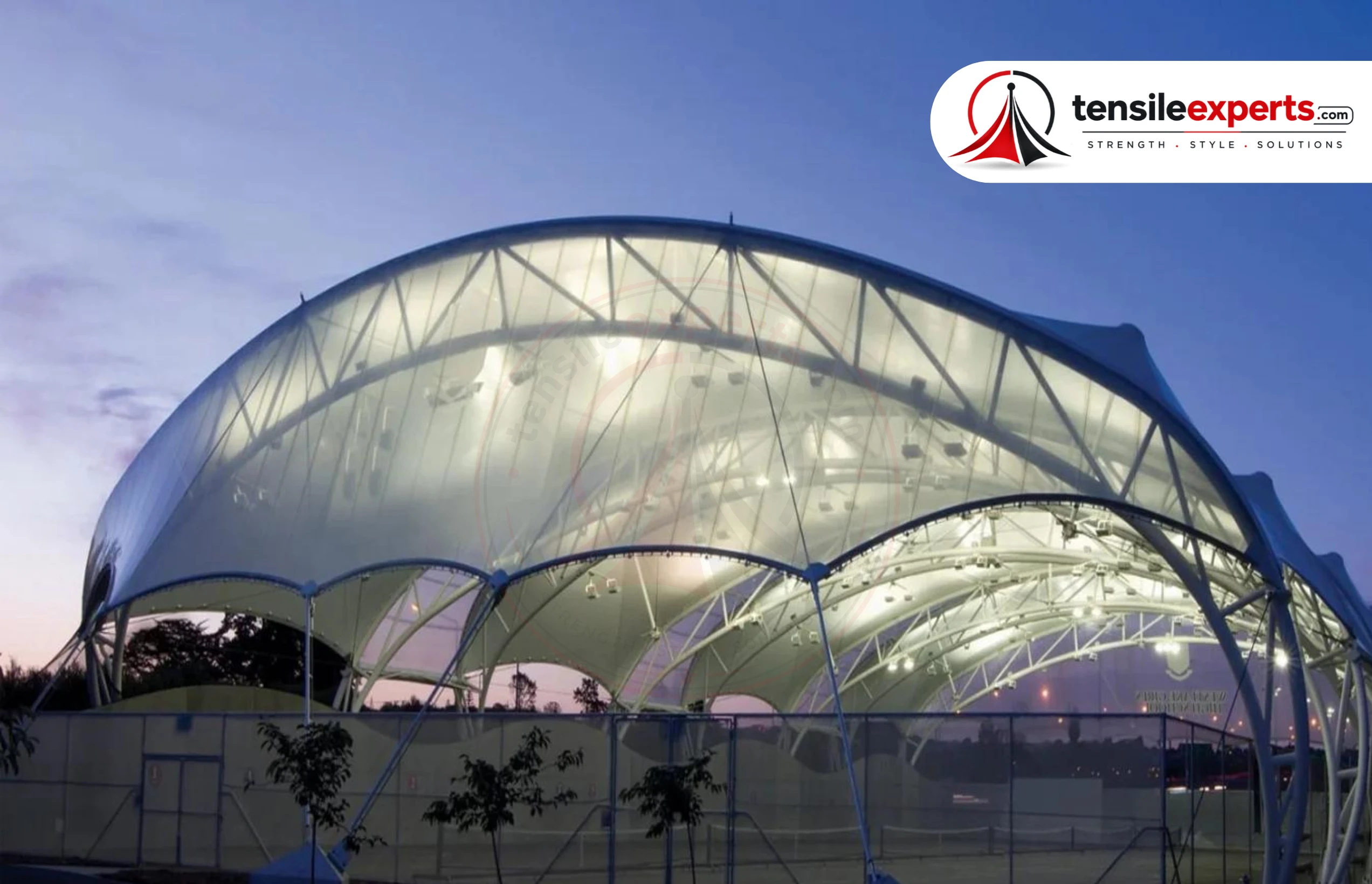
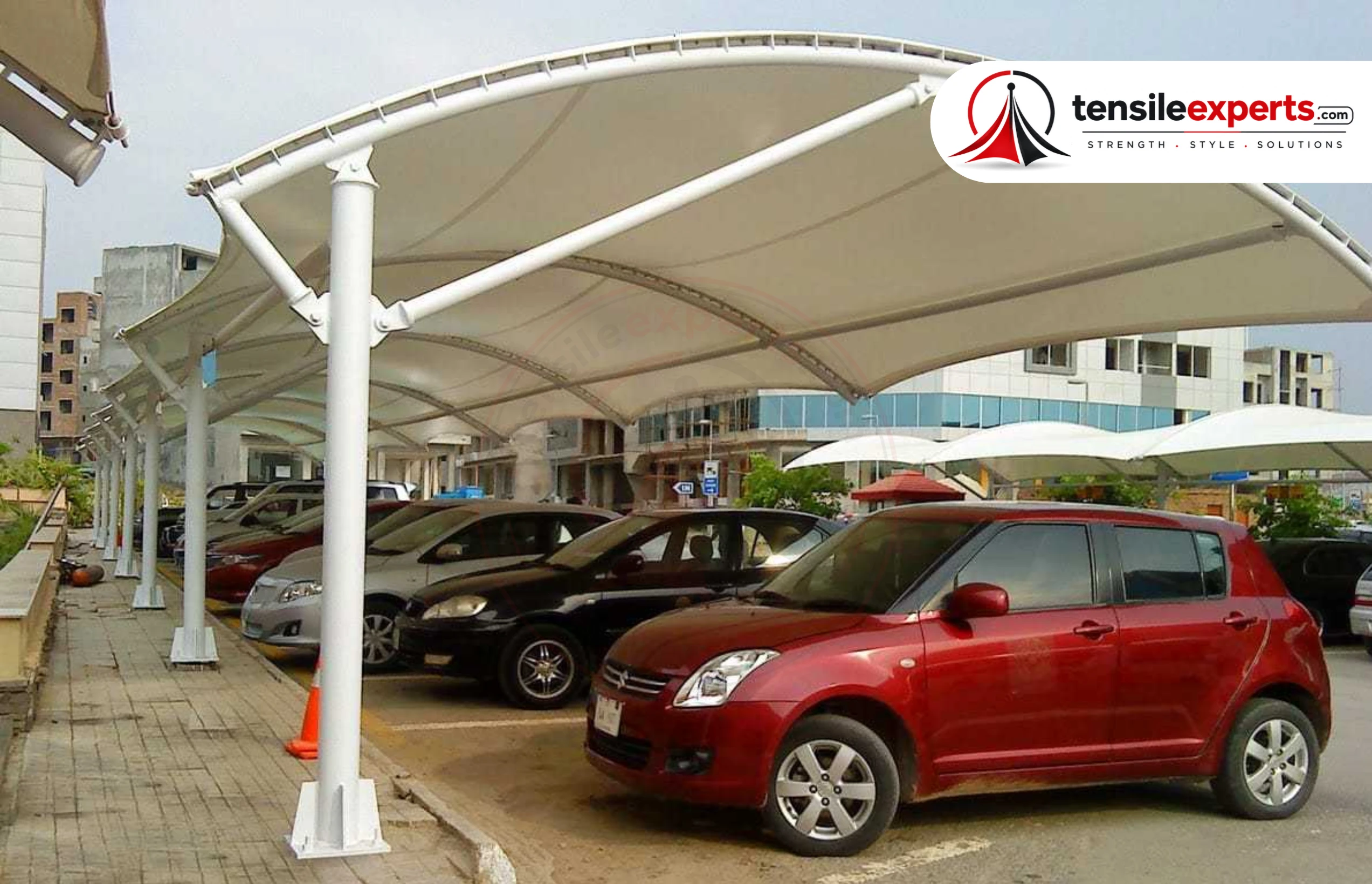
A routine fabric surface check is the simplest, most frequent item on a real maintenance schedule.

Hardware and Cable Checks

Cable tensioning, connection plates, and anchor hardware are worth a physical check, not just a visual one — looking for corrosion, loose bolts, or fraying at cable connection points. This matters more in coastal or high-humidity regions where hardware corrosion moves faster than it does inland, and it's exactly the kind of item that's easy to skip since it doesn't visibly announce itself the way fabric soiling does.
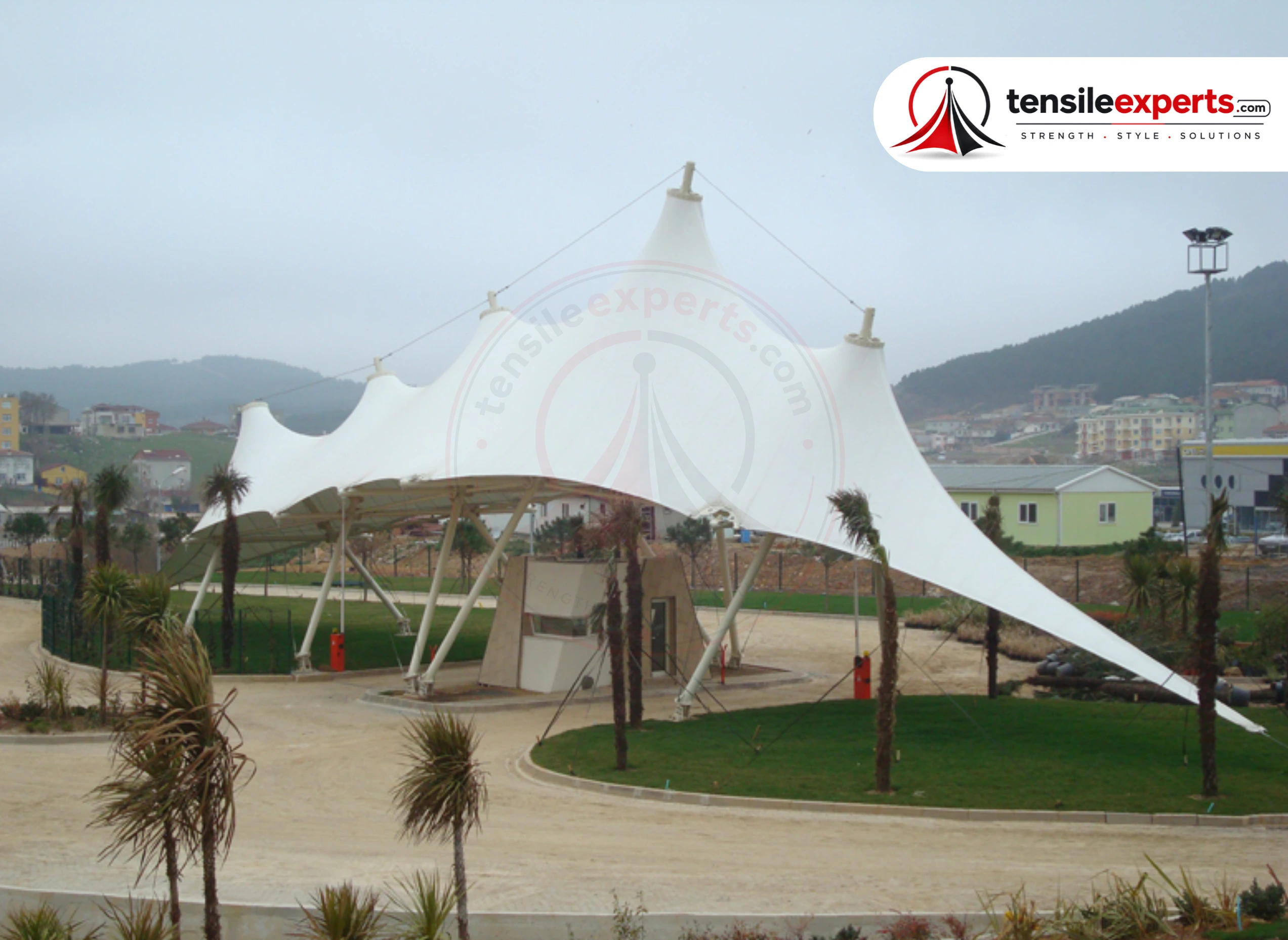
Hardware and anchor points need a physical check, not just a visual one — corrosion and loose connections don't always announce themselves.

Drainage and Debris Checks

Leaves, dust, and general debris collecting in valleys or gutters along the fabric roofline is one of the most commonly missed maintenance items, precisely because it's easy to overlook until it causes actual water pooling. Clearing this is quick, doesn't need special tools in most cases, and directly prevents the kind of standing water that stresses the fabric and hardware unnecessarily.

Timing Checks Around the Seasons

A thorough annual check makes the most sense timed before monsoon season for most of India — confirming drainage is clear and tensioning is correct before the fabric faces sustained heavy rain, rather than discovering an issue mid-monsoon. See our monsoon preparation guide for the specific pre-monsoon checklist.

What to Do Yourself vs. Call a Professional

Basic checks — a visual walk-around, clearing visible debris, noting anything that looks obviously wrong — are reasonable for a property owner or facilities team to do without help. Re-tensioning, hardware adjustment, or anything requiring someone to actually get onto the structure should go to a professional, since incorrect adjustment can affect the fabric's engineered tension in ways that aren't always obvious until it's already a problem. See our cleaning guide for what's safe to do yourself specifically.

The Full Checklist at a Glance

With each item explained above, here's the full routine as a quick reference:

CheckHow OftenWhat to Look For
Fabric surfaceEvery few monthsDirt buildup, discoloration, sagging, small tears
Hardware & cablesAt least annuallyCorrosion, loose bolts, fraying at connections
Drainage pathsEvery few monthsDebris buildup, standing water risk
Full inspectionAnnually, pre-monsoonAll of the above, plus overall tension check

If your project is specifically in Delhi NCR, see our Delhi NCR maintenance guide for regional detail on top of this general checklist.

Explore by Product
See the full product directory for everything we design and fabricate.

Frequently Asked Questions

A basic visual check is worth doing every few months, with a more thorough fabric, hardware, and drainage check at least once a year — timed around monsoon season specifically makes sense for most of India. See our monsoon preparation guide for that seasonal timing.

Basic checks — visual inspection, clearing debris, checking for obvious sagging or wear — are reasonable to do yourself. Re-tensioning, hardware adjustments, and anything involving getting onto the structure itself should go to a professional, since incorrect adjustment can affect the fabric's engineered tension.

Yes — a PVDF-coated fabric's self-cleaning surface needs less frequent manual cleaning than standard PVC, though it still needs the same hardware and structural checks. See our self-cleaning PVDF guide for that specific advantage.

Drainage paths — leaves, dust, and debris collecting in valleys or gutters along the fabric roofline is easy to overlook until it causes actual pooling, and it's one of the quickest things to check and clear.

If a routine check turns up visible sagging, persistent ponding, loose hardware, or fabric wear beyond light surface soiling, that's worth a professional inspection rather than routine cleaning — see our signs of needed repair guide for what specifically to look for.

Need a professional inspection for your structure? Get in touch to schedule one.

Rajiv Gangwar

Rajiv Gangwar

Writing at Tensile Experts, sharing practical guidance on tensile fabric structures — design, materials, and installation — for clients across India, with a strong focus on Delhi, Gurgaon, and the NCR region.

Contact Us

Tensile Structure Guides

Latest From Our Blog

Practical guides on tensile fabric structures — design, materials, cost, and installation — for clients across India

Are Tensile Structures Sustainable? Material Lifecycle & Environmental Impact

A qualified look at the genuine sustainability considerations of tensile fabric structures — material efficiency, daylighting, fabric lifespan, and end-of-life factors — without overstated claims.

Badminton Court Tensile Structures — Complete Guide

Real badminton court dimensions, clearance-height requirements, and single vs. multi-court layouts for a tensile roof structure — real specs and how it compares to a general stadium structure.

Best Tensile Structure Company in Delhi NCR — How to Choose

A practical checklist for choosing a tensile structure company in Delhi NCR — what to check, what questions to ask, and why in-house manufacturing matters, before you sign off on a quote.


Send Email
Call Us
WhatsApp
White large-span tensile membrane structure Delhi · Pan-India execution
Project consultation

Build the right tensile structure for your space.

Send us your application, approximate size and site location. We’ll help you identify the right structural approach and membrane option.

01 Share your site 02 Review the concept 03 Plan execution
Loading...

Sending your message...

Please wait