






































This distinction comes up throughout our other buying guides, and it's worth its own dedicated look: whether a tensile structure company fabricates in-house or brokers the work out to subcontractors genuinely changes how your project runs. This guide goes deep on why.
In This Guide
What In-House Actually Means
In-house manufacturing means the company you're talking to — the one quoting your project — is the same company that designs the structure, fabricates the steel and fabric components, and installs everything on-site. One team, one point of accountability, from the first conversation through handover. This is how TensileExperts operates, and it directly shapes how specifically and confidently our team can speak to your project's fabric grade, structural design, and site requirements.
How the Broker Model Works
A broker model looks similar from the outside — you talk to a sales team, get a quote, sign a contract — but design, fabrication, or installation (sometimes all three) are subcontracted to separate third-party companies the broker coordinates between. This isn't inherently dishonest or a scam; it's a real, common business model in this industry. But it does introduce more parties and more handoffs into a process that's already technically demanding.
The subcontractor doing the actual fabrication work in a broker arrangement can also change from project to project, since brokers often work with more than one fabrication partner depending on availability, location, or price. That means the specific hands and process building your structure aren't necessarily consistent even across two projects sold by the same broker.
The Accountability Difference
When something needs adjusting mid-project — a design change, a site condition that wasn't anticipated, a fabric-grade question — an in-house team can resolve it directly, because the people who need to make the call are in the same organization. In a broker model, that same question often has to travel from you, to the broker, to whichever subcontractor actually handles that part of the work, and back — more steps, more room for delay or miscommunication, even when everyone involved is genuinely trying to do a good job.
This shows up concretely during installation too — see our installation process guide for how many decision points a project actually passes through between foundation work and handover, each one a place where a direct, single-team answer is faster than one relayed through a broker.
What Changes in Communication
With in-house fabrication, the person explaining your project's fabric-grade recommendation or structural design is generally the same organization actually making those decisions — so questions get direct, specific answers. In a broker arrangement, sales staff are sometimes relaying information from a subcontractor rather than speaking from firsthand technical knowledge, which can mean vaguer answers to detailed questions, not from dishonesty, just distance from the actual work.
In-House vs. Broker, Side by Side
With both models explained above, here's how they actually compare, side by side:
| Aspect | In-House Manufacturer | Broker Model |
|---|---|---|
| Who Does the Work | Same company, start to finish | Subcontracted to separate third parties |
| Accountability | One team, directly responsible | Spread across broker and subcontractor |
| Technical Answers | Direct, specific, firsthand | May be relayed secondhand from a subcontractor |
| Mid-Project Changes | Resolved directly within one organization | May require coordination across multiple parties |
Related Guides



How to Find Out Which You're Working With
Ask directly — it's a completely fair, standard question, and a company confident in its process won't dodge it. You can also reasonably ask whether you can see the actual fabrication facility; an in-house manufacturer can usually accommodate that, since the work genuinely happens there. See our questions to ask before hiring guide for how to fold this into a broader evaluation conversation.
Another useful signal is how technical the conversation is able to get. If detailed questions about fabric grade, structural design, or site-specific engineering are consistently met with specific, confident answers rather than "let me check and get back to you," that's often a practical indication of how close the person you're talking to actually is to the real fabrication work.
Explore by Product
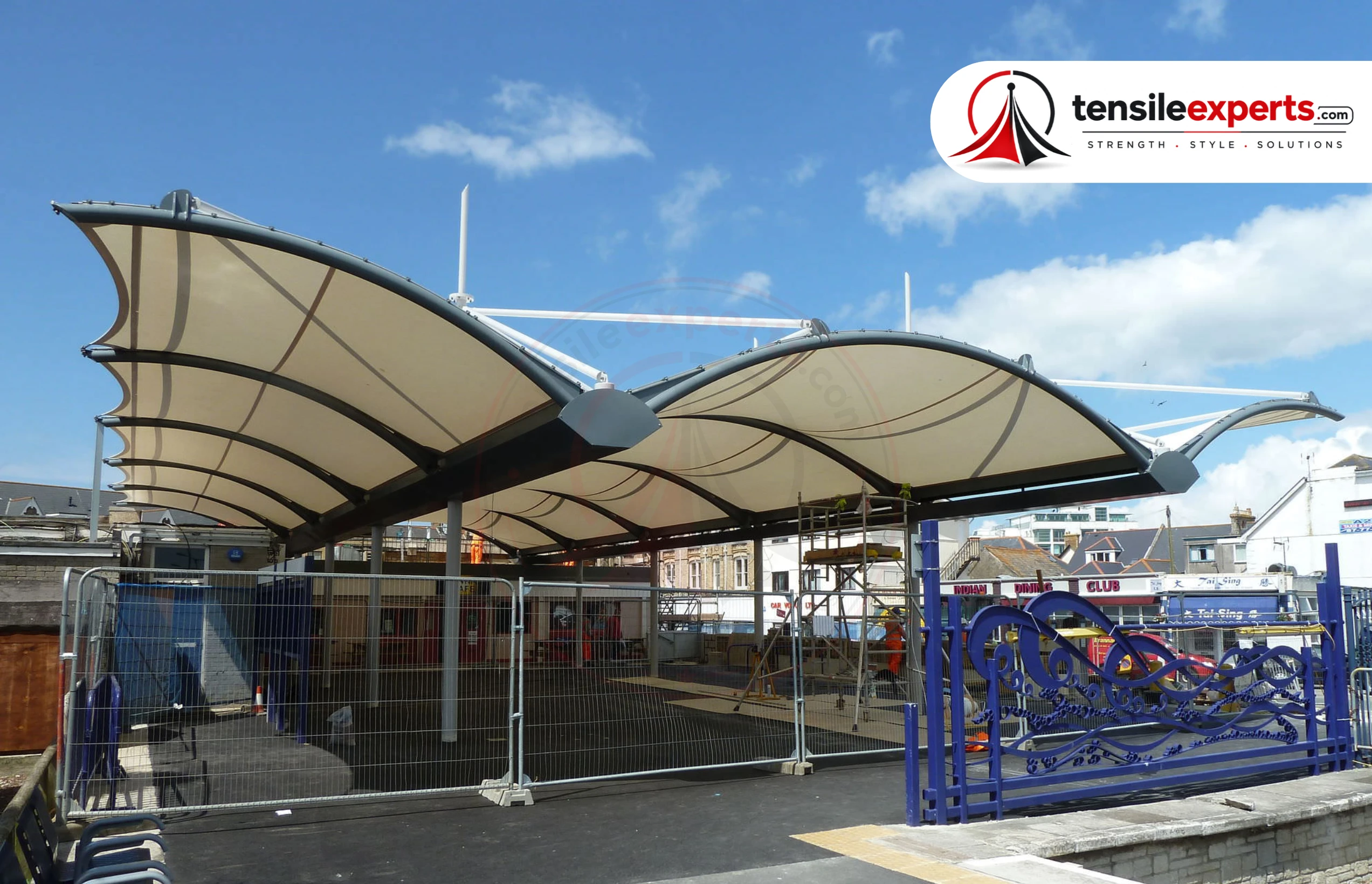
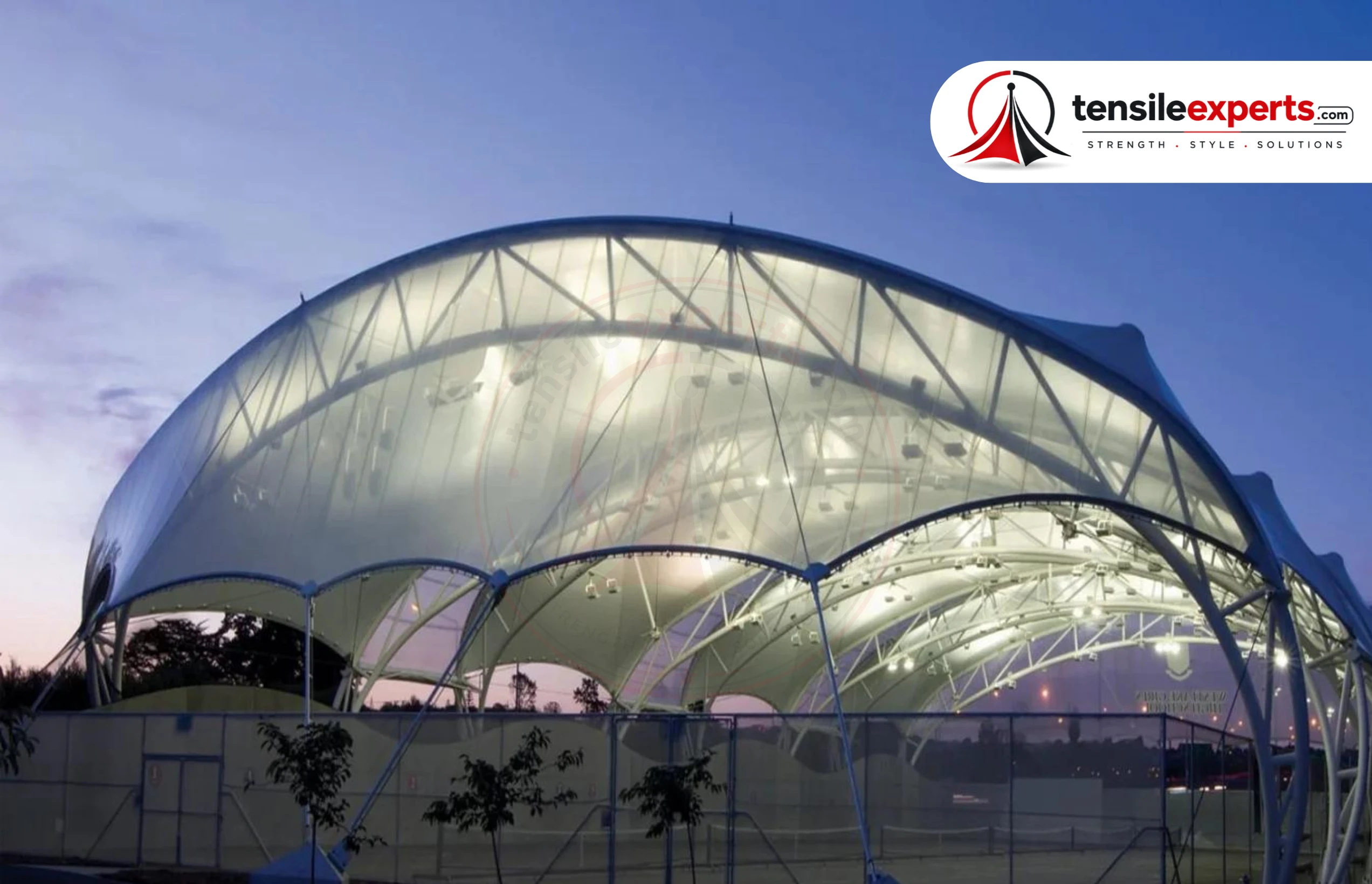



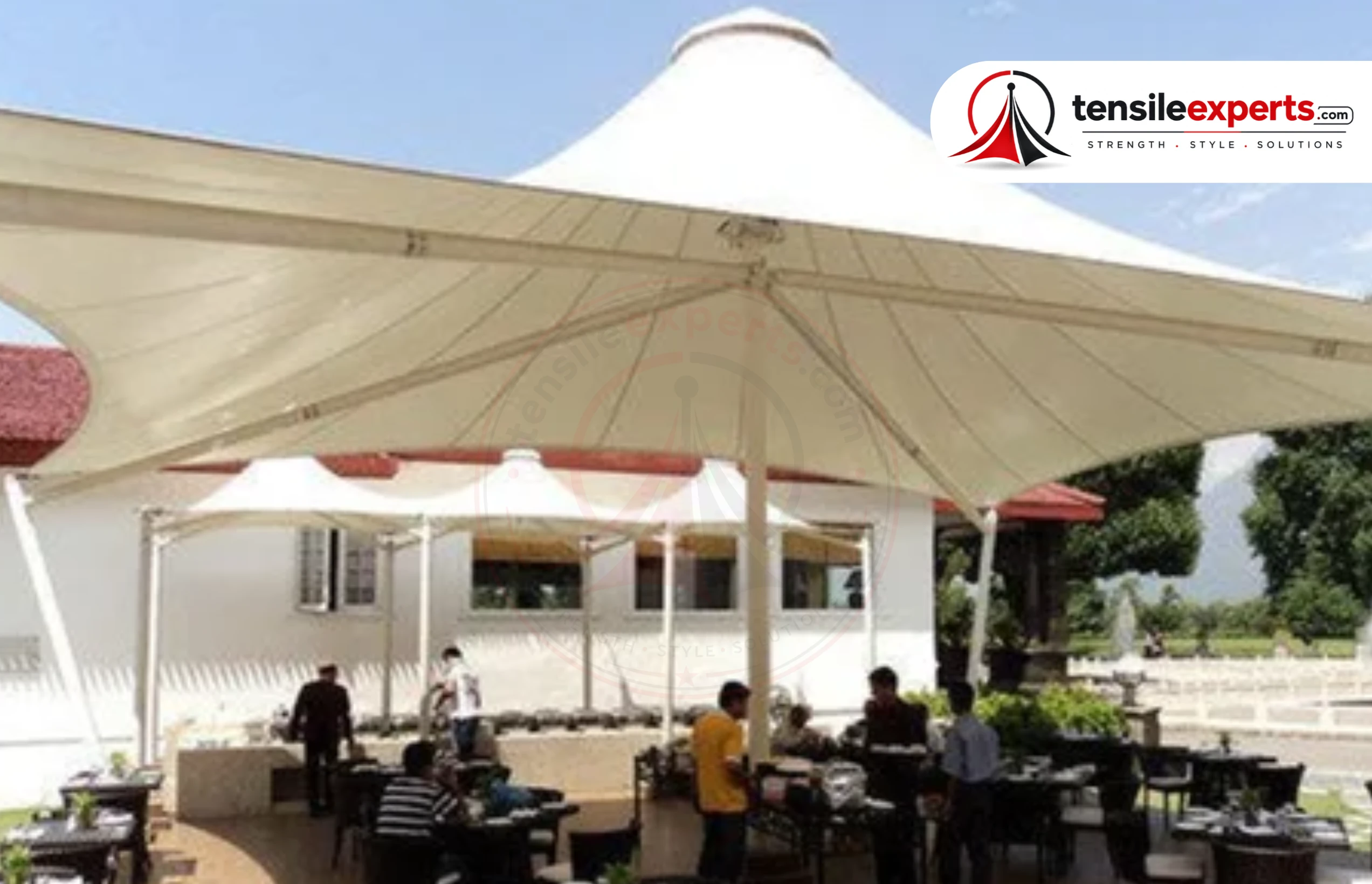
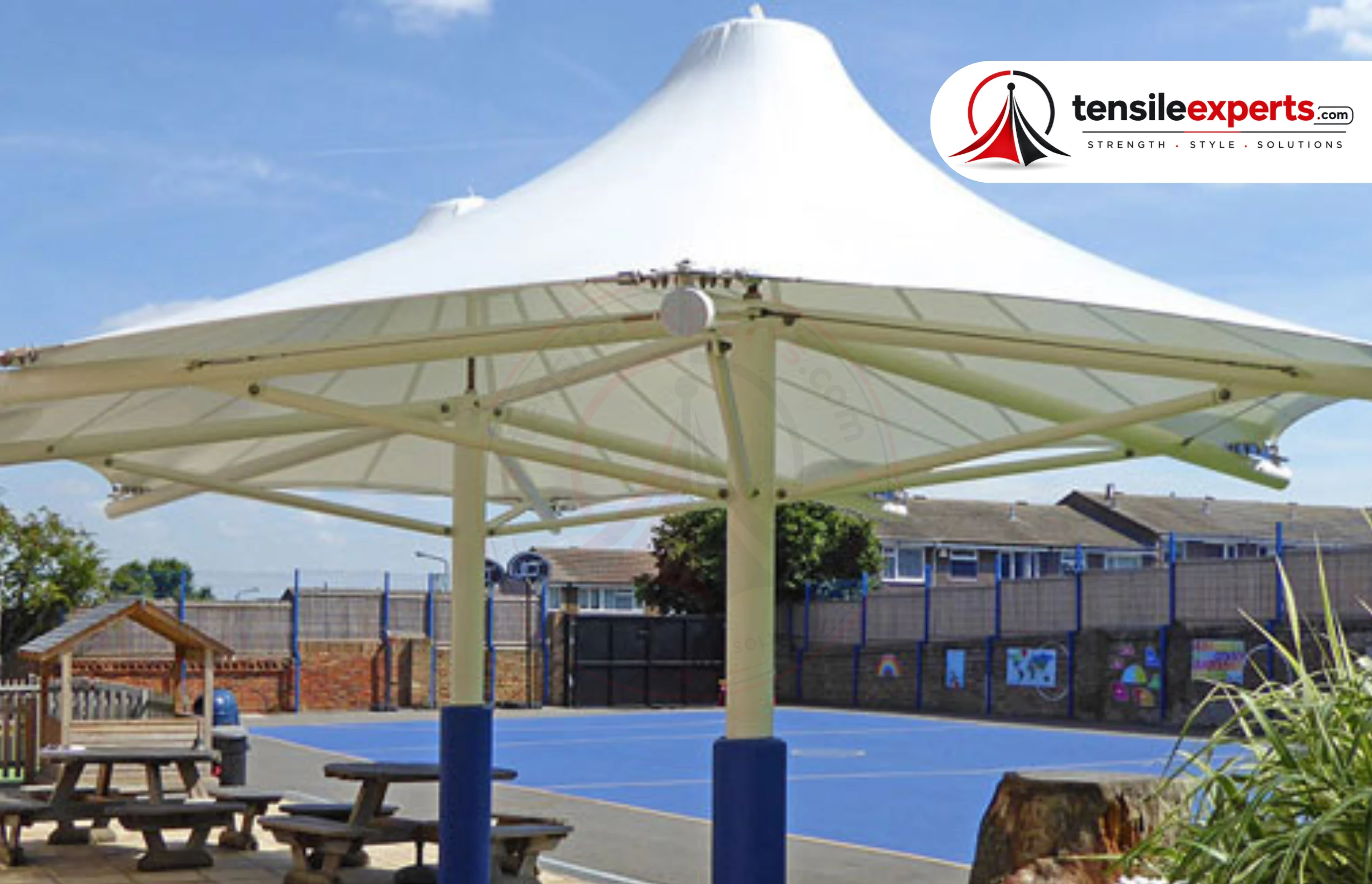
See the full product directory — everything shown is designed, fabricated, and installed by our own in-house team.
Frequently Asked Questions
Want to see our in-house fabrication process for yourself? Get in touch.