




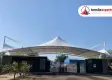
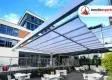


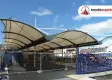
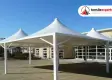
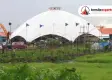
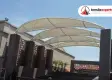
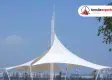


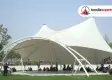















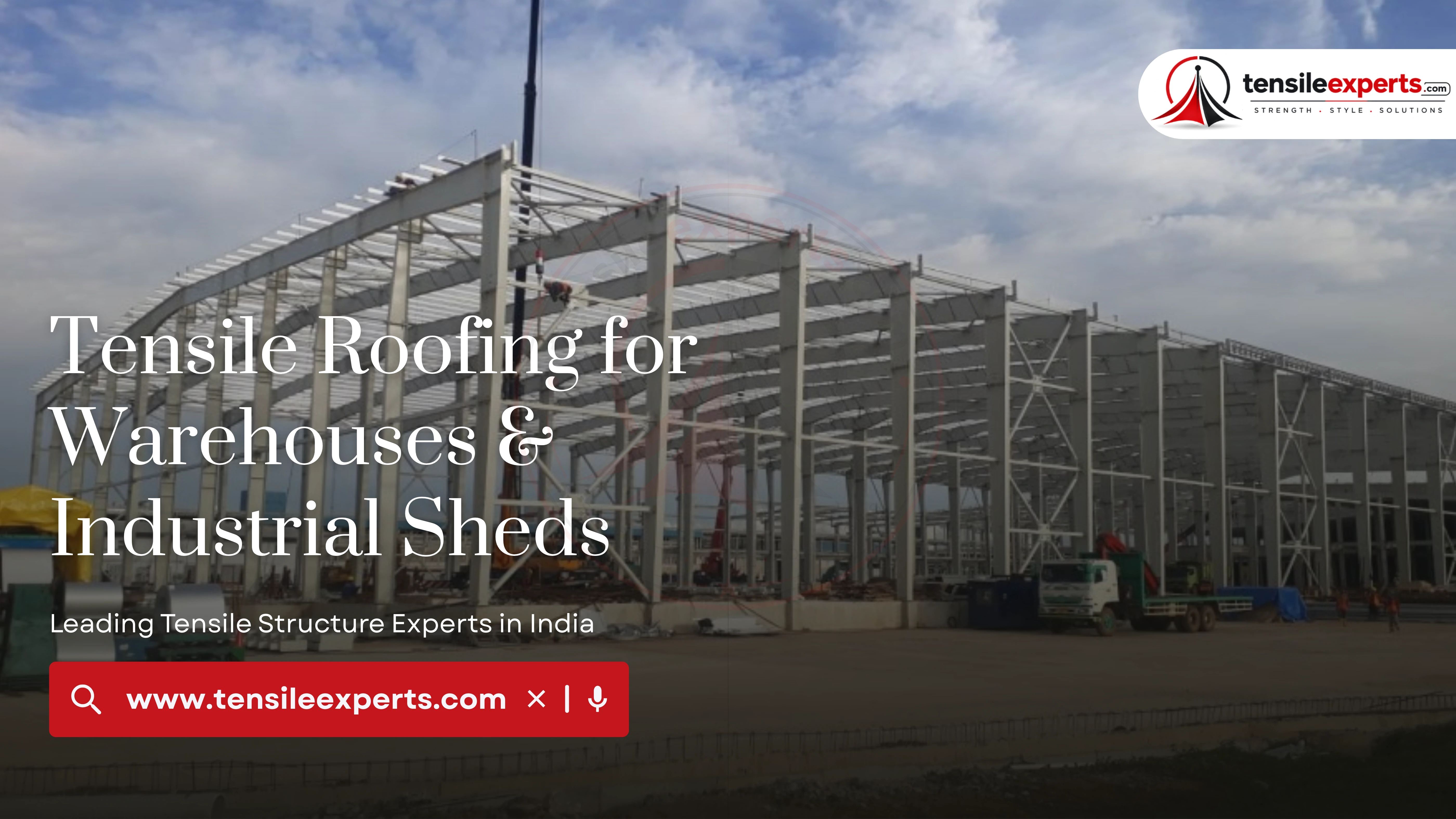
Tensile roofing for a warehouse or industrial shed comes down to a genuinely different set of engineering and cost tradeoffs than a conventional RCC or metal roof — lighter construction, generally faster installation, but real considerations around retrofit integration, insulation, and long-term fabric maintenance. This guide goes through all of it, including a direct comparison against conventional roofing.
In This Guide
- What Is Tensile Warehouse Roofing
- Retrofit vs. New-Build Integration
- Insulation & Heat Considerations
- Choosing a Roof Form
- Choosing a Fabric Grade
- Technical Specifications
- What Actually Drives the Cost
- Tensile Roofing vs. Conventional RCC/Metal Roofing
- Our Process, Step by Step
- Maintenance
- Related Guides
- Available in Your City
- Explore by Product
- Frequently Asked Questions
What Is Tensile Warehouse Roofing
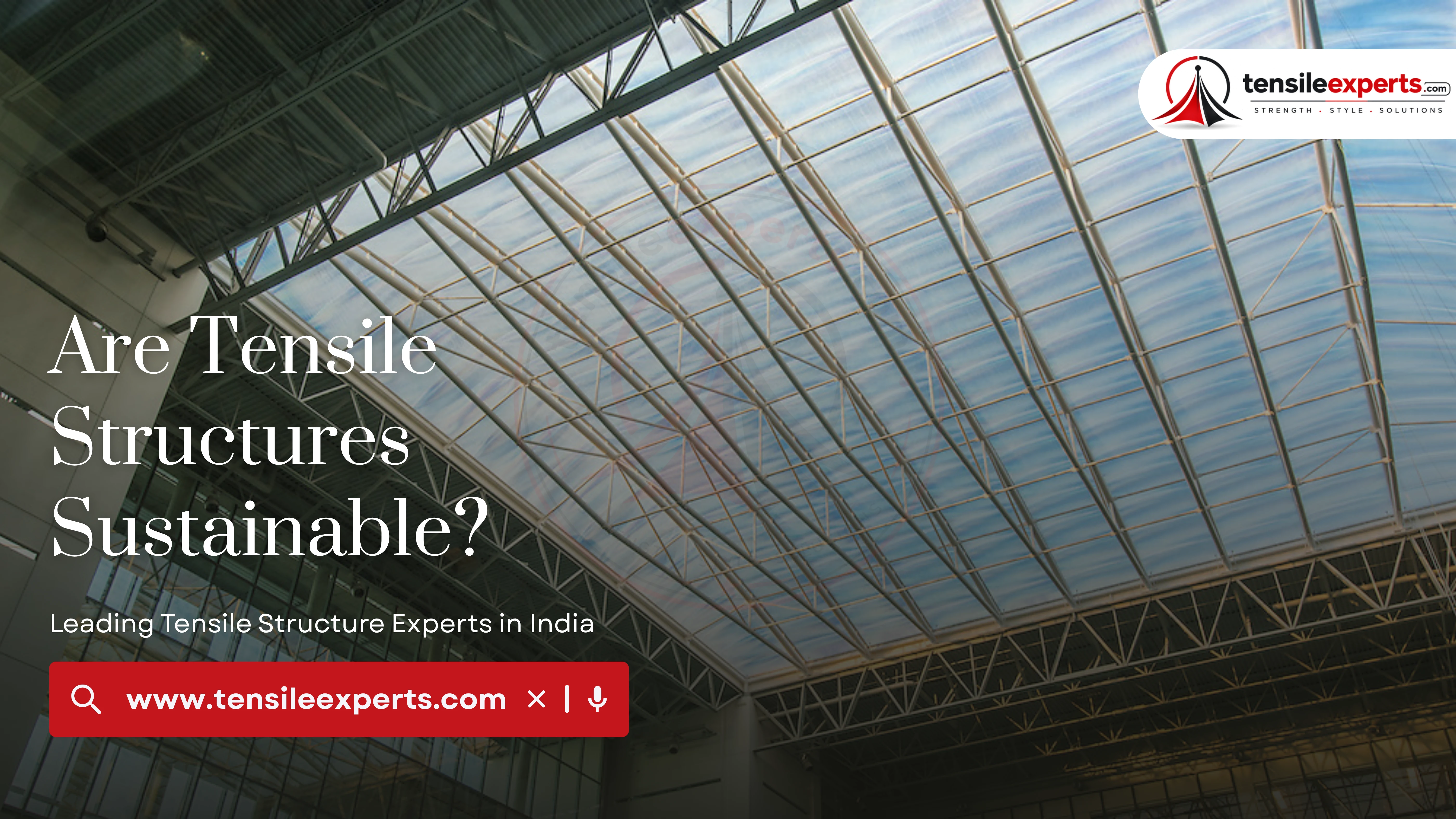
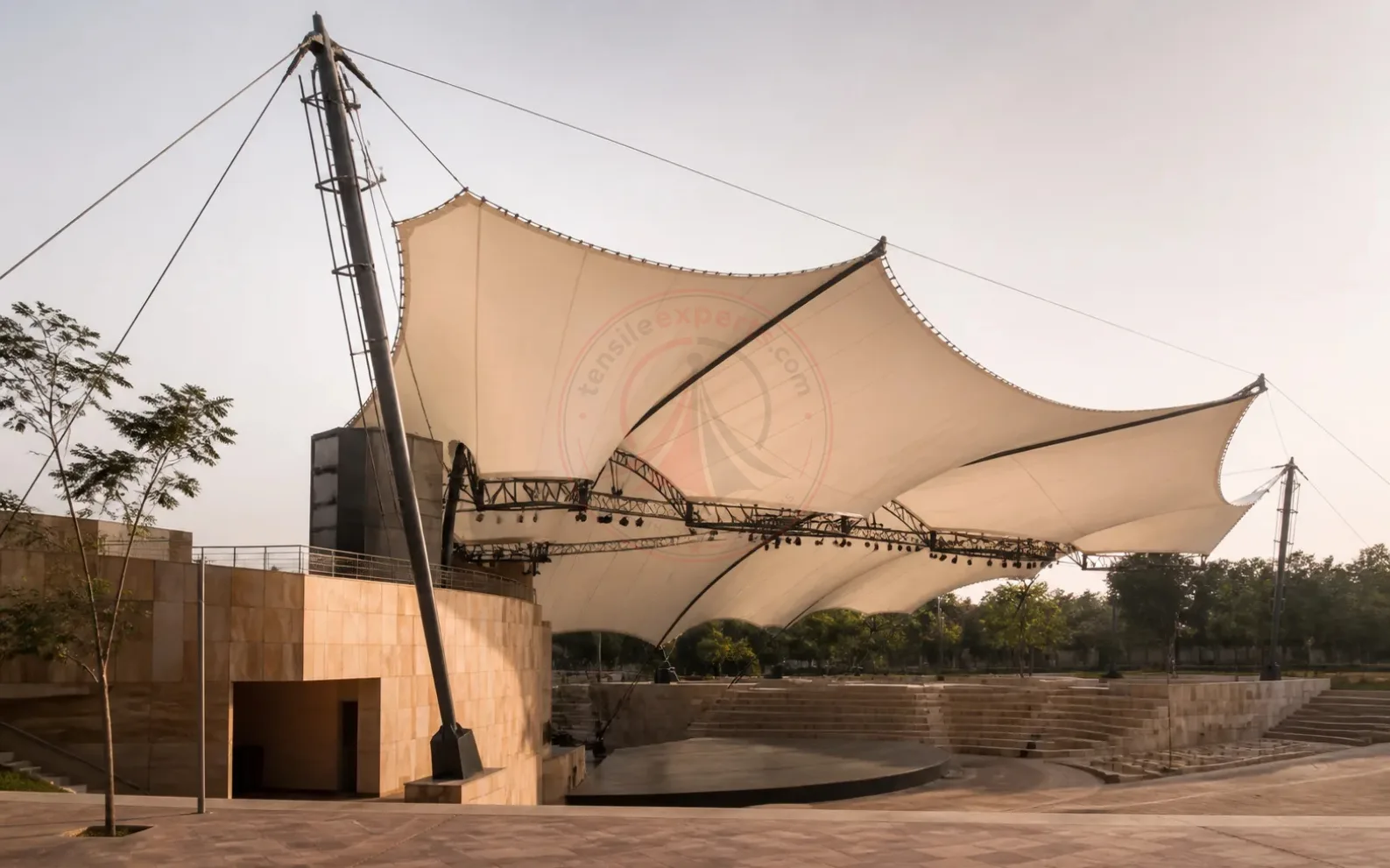
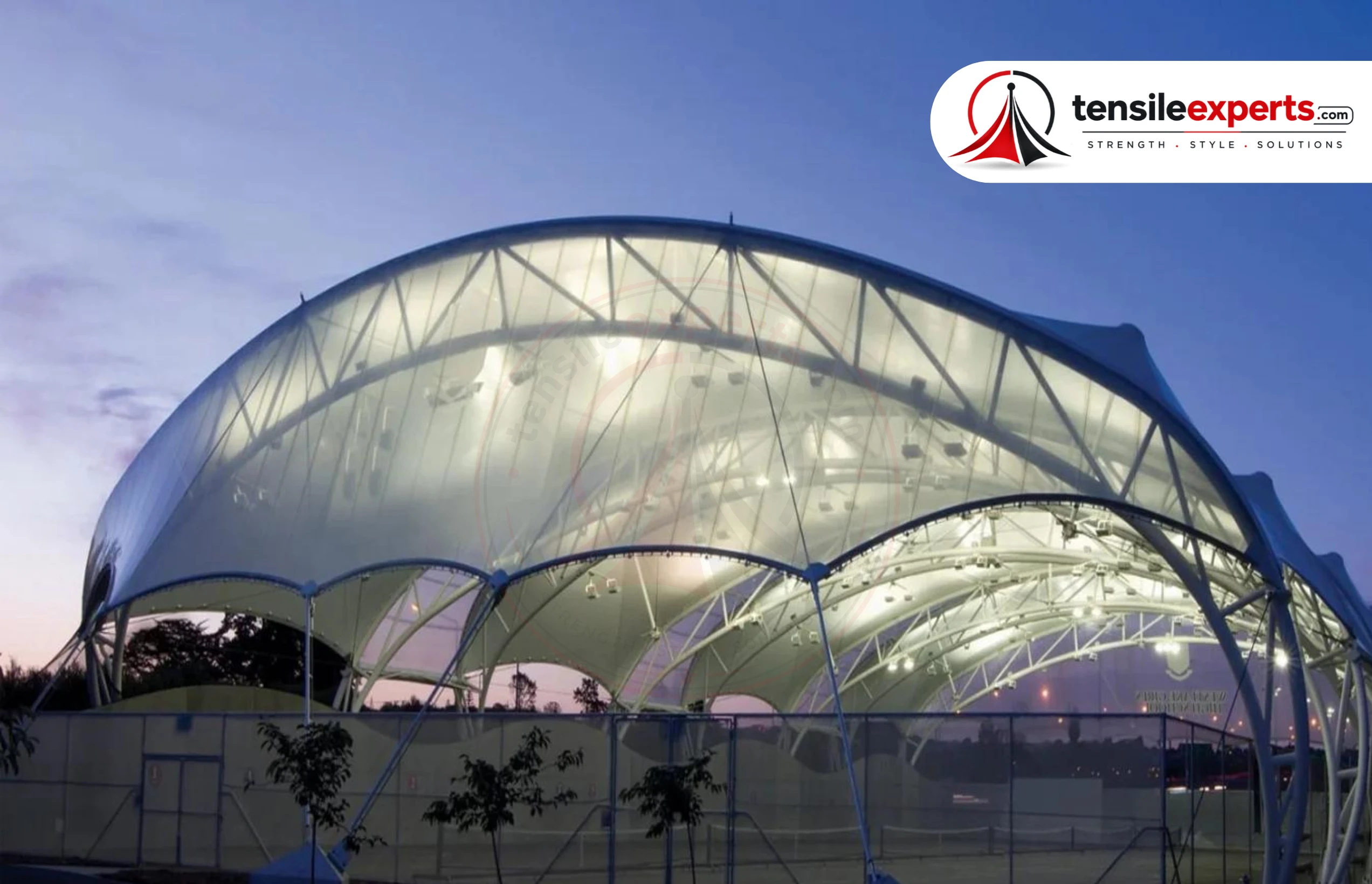
Tensile roofing for warehouses and industrial sheds replaces or supplements a conventional roof with a lighter, faster-installed fabric-membrane alternative — the same core tensile-structure engineering as our other products, applied at building-roof scale. It works for residential, commercial, and industrial roofing alike, but large-span industrial sheds and warehouses are one of the most common use cases we build for.
Retrofit vs. New-Build Integration
Tensile roofing works for both full replacement of an aging conventional roof and new-build projects from the ground up. For a retrofit, integration with your building's existing structural frame is assessed during the site visit — the new tensile roof needs to tie into what's already there, which is a different design conversation than a new-build project with no existing structure to work around.
Insulation & Heat Considerations
Fabric grade and color affect heat transmission into the space below — worth discussing upfront if you're storing anything temperature-sensitive, or if worker comfort matters in an industrial shed used through hot months. This is a real design consideration specific to roofing applications, more so than for smaller structures like a canopy or gazebo.
Choosing a Roof Form
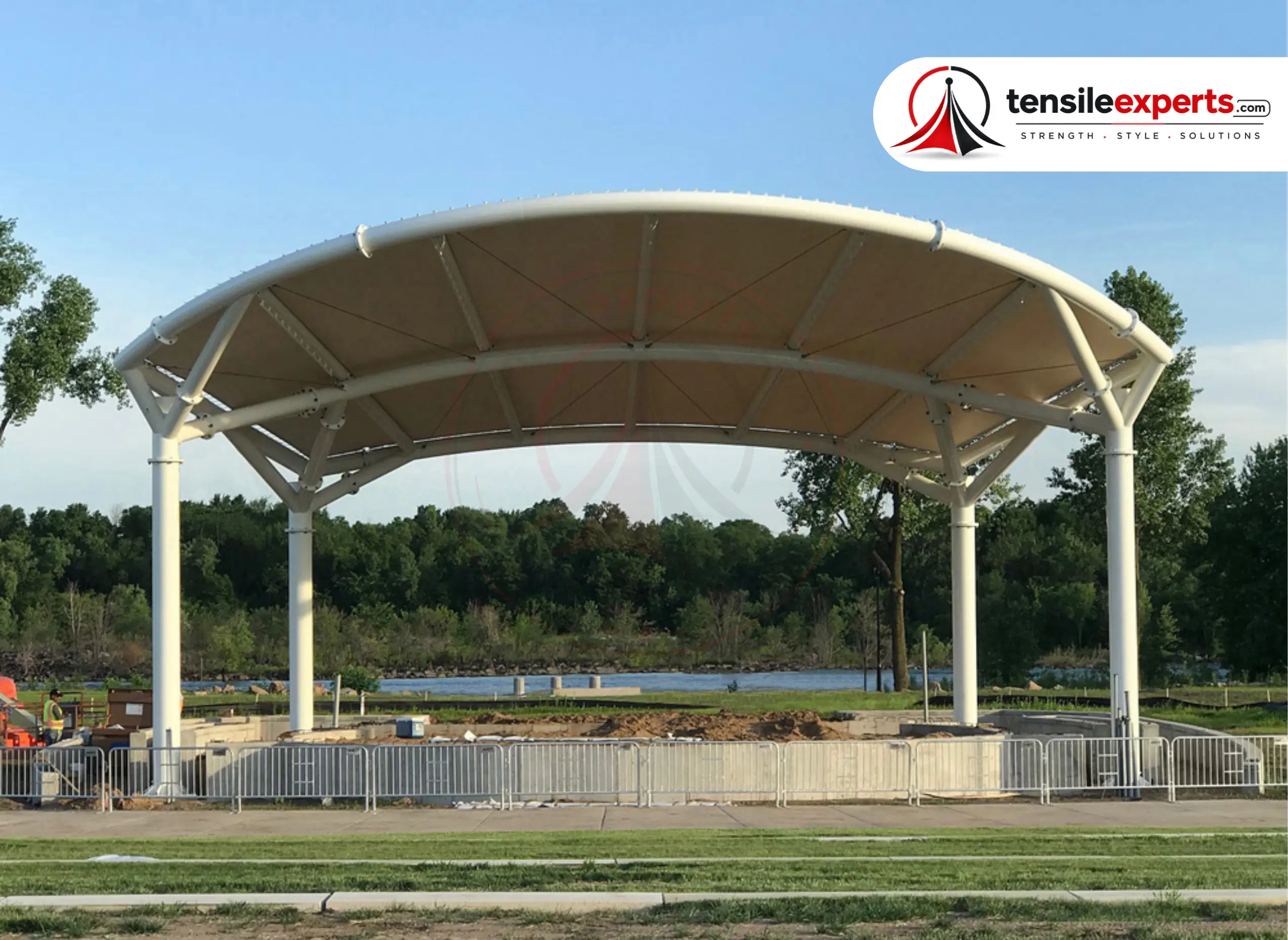
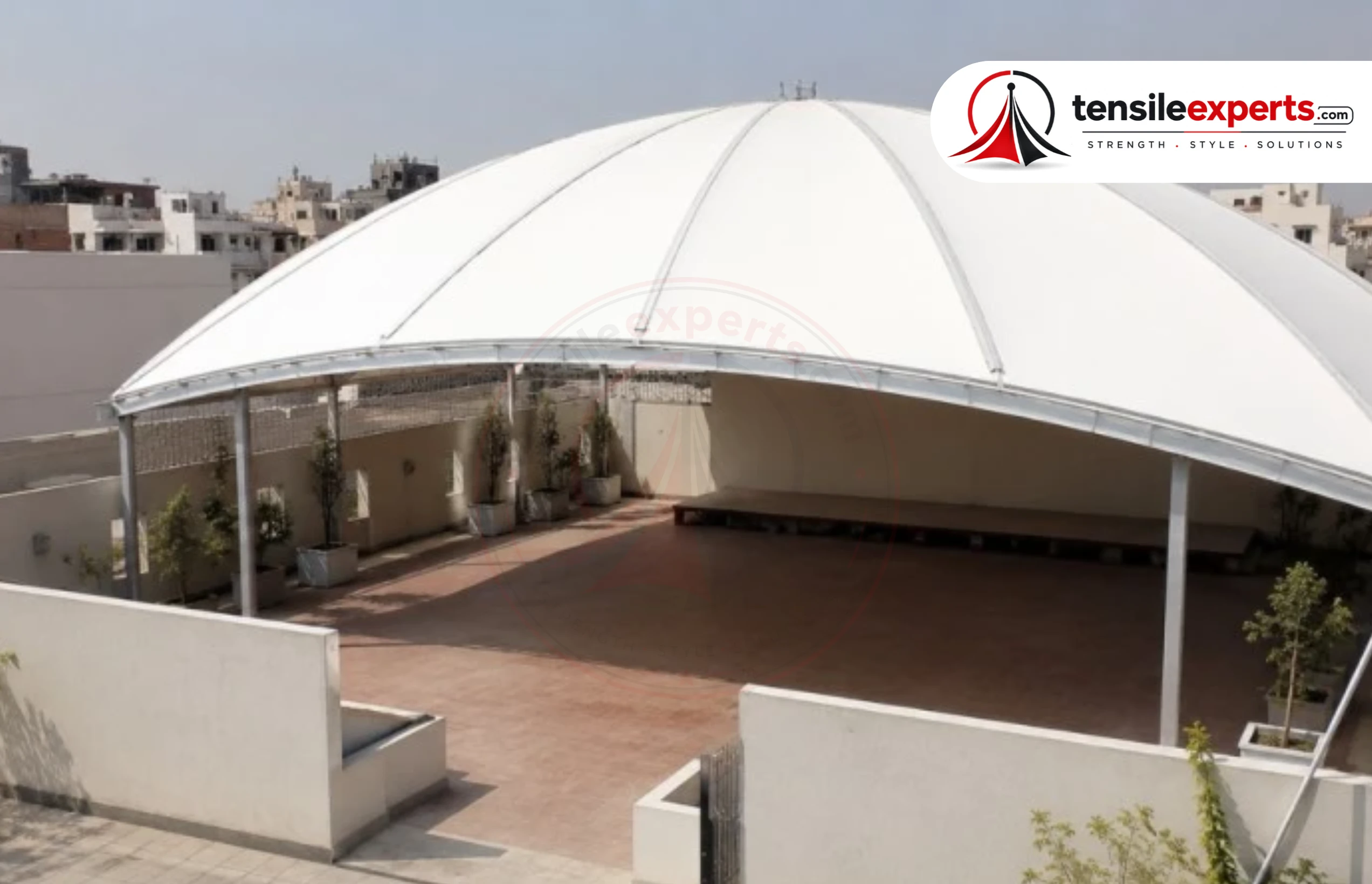
Saddle, barrel, or flat roofing forms are all options, chosen based on your building's span, slope needs for water drainage, and architectural preference. We confirm which form fits your specific building during the design phase, since this affects both drainage performance and how the roof integrates visually with the rest of the structure.
Choosing a Fabric Grade
PVC, PTFE, or PVDF, depending on span, building type, and budget — PVC suits smaller spans and budget-conscious projects, PTFE suits larger spans or longer-life requirements, and PVDF's self-cleaning top-coat is worth it for dusty industrial sites. See our tensile structure page for the full fabric-grade breakdown.
Technical Specifications
| Specification | Details |
|---|---|
| Typical Span / Size | 5m–100m+, application-dependent |
| Typical Height / Clearance | Follows building design |
| Structural Form | Saddle, barrel, or flat roofing form |
| Recommended Fabric Grade | PVC, PTFE, or PVDF depending on span and building type |
| Typical Use Cases | Residential to industrial roofing, warehouses |
| Ideal Site Conditions | Existing building footprints needing full replacement or supplementary roofing |
| Foundation / Anchoring | Ties into the building's existing structural frame or independent footings |
What Actually Drives the Cost
Span is the primary cost driver — larger warehouse/industrial spans cost proportionally more. Fabric grade and whether it's a retrofit (needing integration work) or new build are the next-largest factors.
Tensile Roof Structure — From ₹380/sq.ft.
Tensile Roofing vs. Conventional RCC/Metal Roofing
A genuine side-by-side, not a sales pitch for one option:
| Aspect | Tensile Roofing | Conventional RCC/Metal |
|---|---|---|
| Installation Speed | Generally faster for the same span | Typically slower, more on-site construction |
| Weight / Foundation Load | Lighter — less foundation load needed | Heavier — needs more substantial foundation |
| Maintenance | Periodic cleaning and re-tensioning | Less specialized upkeep, but its own repair needs |
| Contractor Familiarity | Specialized fabricators needed | Widely available conventional contractors |
| Natural Light Option | Translucent grades let daylight through | Requires separate skylight cutouts |
See our tensile membrane structure page if your project is a large-span architectural statement rather than standard warehouse roofing.
Our Process, Step by Step
| Step | What Happens |
|---|---|
| 1. Initial Discussion | A call or site visit to understand your building, span, and retrofit vs. new-build status. |
| 2. Site Assessment | Structural integration check (for retrofits), span and slope measurement. |
| 3. Design & Fabric Recommendation | Roof form and fabric grade proposed to fit your building and budget. |
| 4. Quote & Sign-Off | A site-specific quote confirmed before fabrication begins. |
| 5. In-House Fabrication | Cutting, welding, and frame preparation carried out by our own team. |
| 6. Installation | On-site erection and tensioning, integrated with your existing structure if retrofitting. |
| 7. Handover & After-Sales | Final inspection with you, followed by ongoing maintenance support. |
Maintenance
Periodic cleaning, re-tensioning, and hardware inspection are recommended, same as any tensile fabric structure — industrial sites with dust or airborne particulates are worth inspecting somewhat more often, given the buildup that can affect fabric performance over time. See our full maintenance guide for the complete checklist.
Related Guides


Available in Your City
We design, fabricate, and install tensile roofing for warehouses and industrial sheds pan-India. Here's the product page for several major cities to start with:
Not seeing your city? We install pan-India — get in touch to confirm coverage.
Explore by Product


See the full product directory for everything we design and fabricate.
Frequently Asked Questions
Planning tensile roofing for your warehouse or industrial shed? Get in touch for a free site consultation.