




























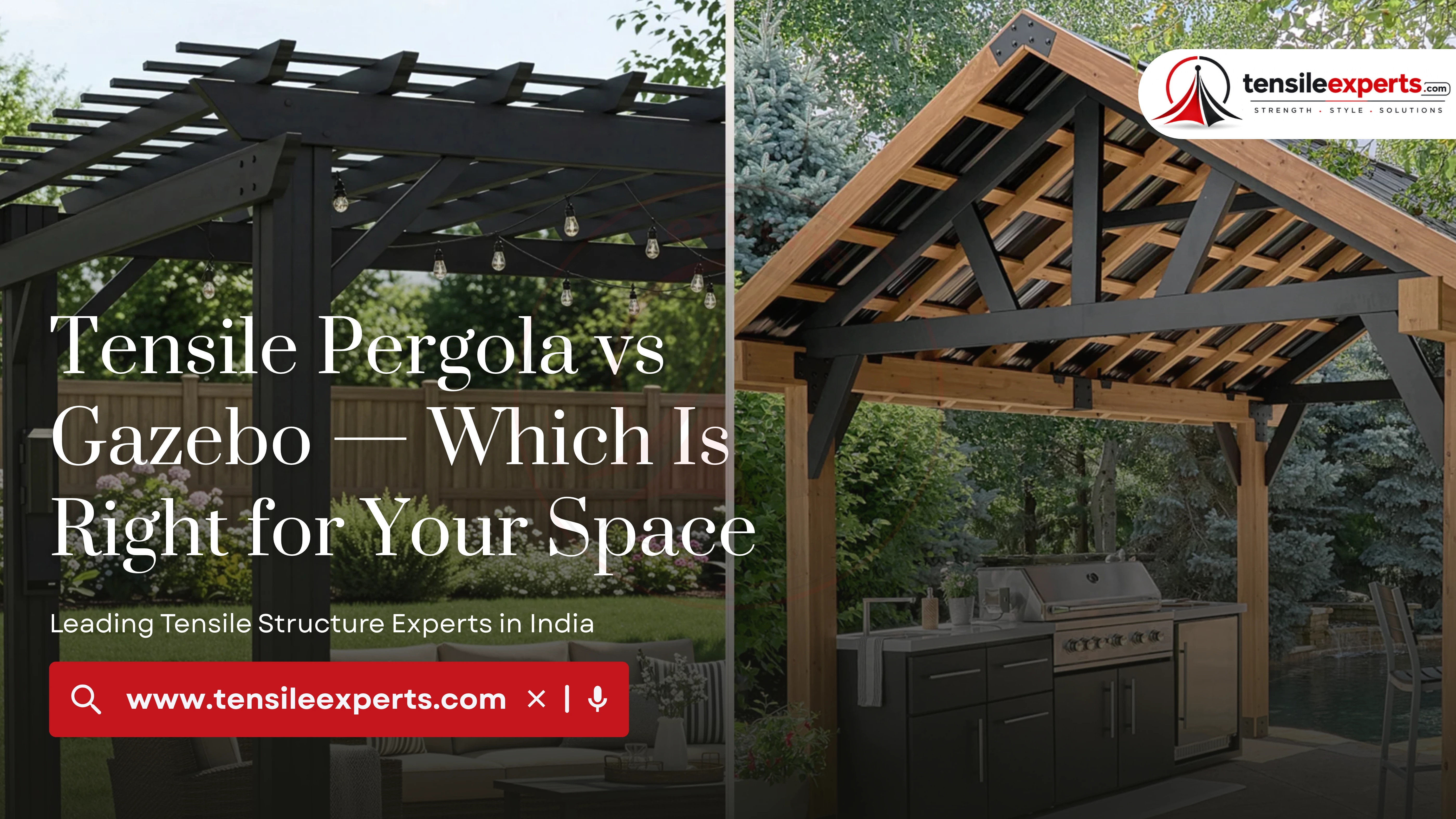
Pergola and gazebo are the two tensile structures people mix up most often — both are outdoor fabric-shade structures, both come in similar size ranges, and both get used for garden or patio seating. But they solve genuinely different layout problems. This guide is a real side-by-side comparison, not a marketing pitch for either one, so you can figure out which actually fits your space.
In This Guide
- What Each One Actually Is
- Footprint: Attached vs. Freestanding
- Coverage: Open-Frame vs. Fully Covered
- Sizing & Specifications, Side by Side
- Fabric Grade — Does It Differ?
- Cost Comparison
- Full Comparison Table
- Which One Do You Need?
- Our Process, Step by Step
- Maintenance
- Related Guides
- Available in Your City
- Explore by Product
- Frequently Asked Questions
What Each One Actually Is
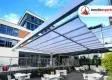
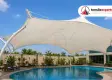
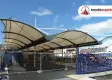
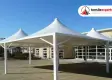
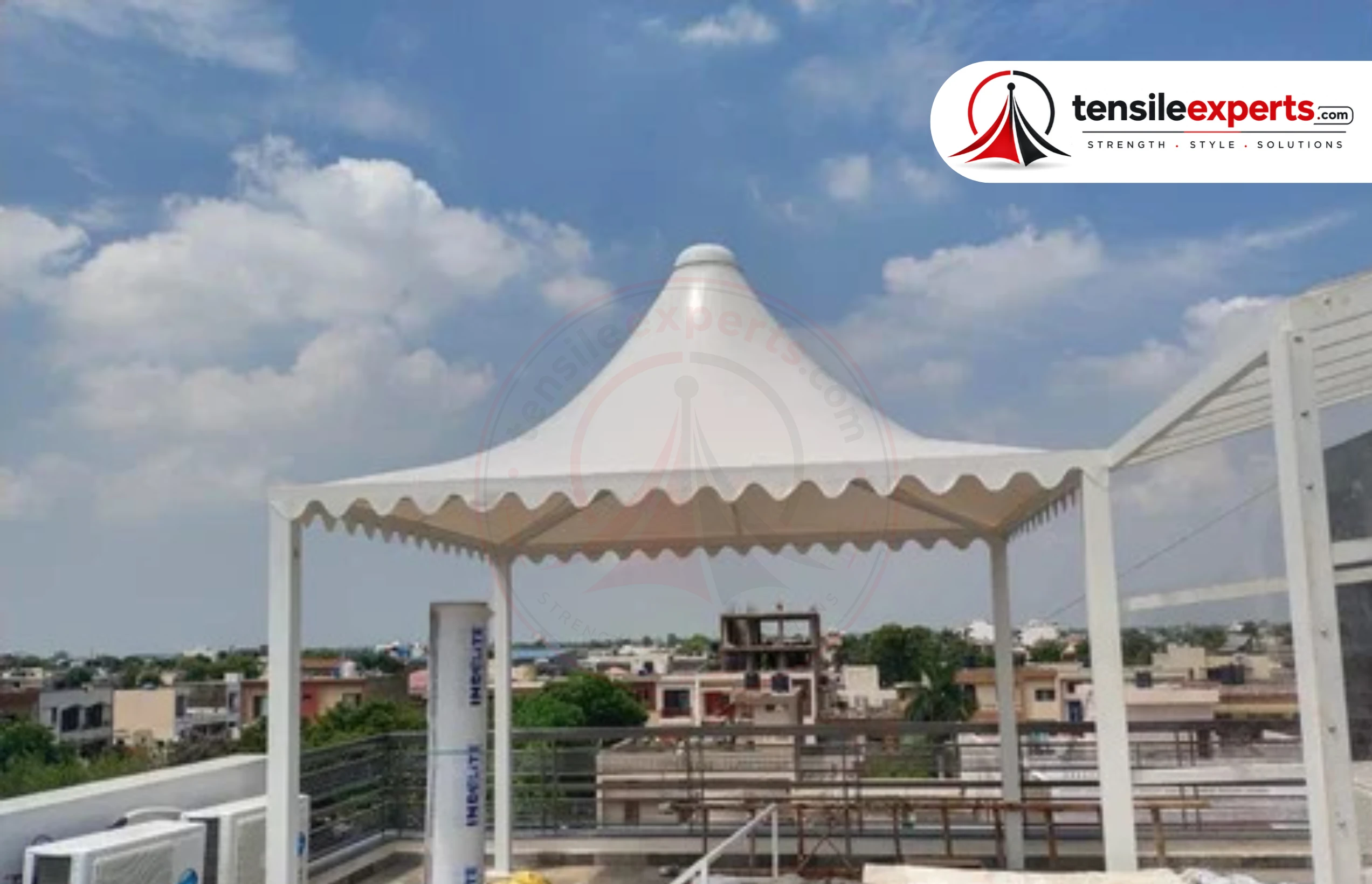
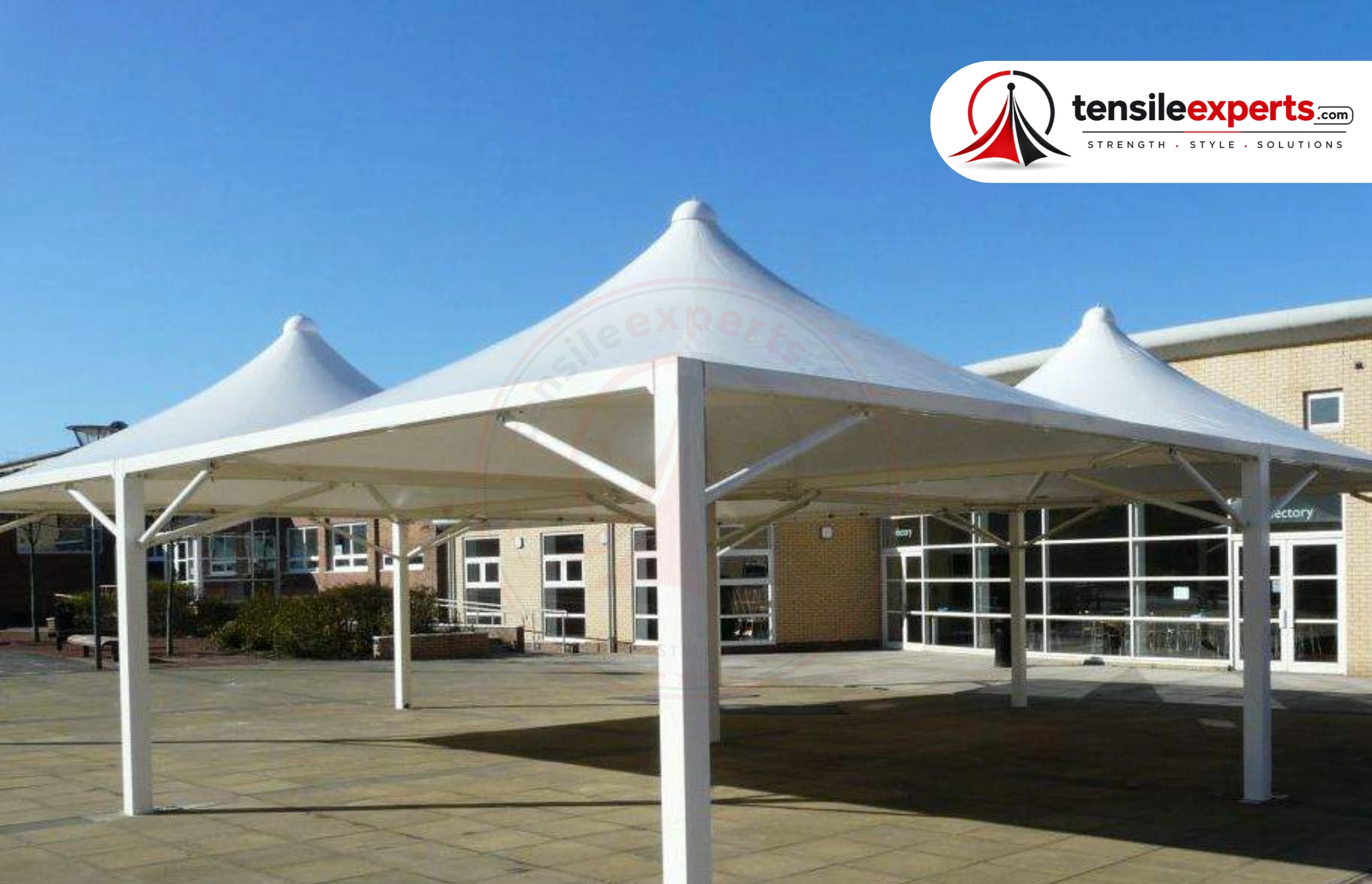
A tensile pergola combines an open structural frame with partial or full fabric coverage, usually integrated with existing decking or patio flooring. A tensile gazebo is a fully freestanding structure — a conical or pyramid form standing on its own footing, independent of any existing deck or building. That's the core distinction everything else in this guide builds on.
Footprint: Attached vs. Freestanding
A pergola is designed to integrate with existing decking or patio flooring — it's the natural choice when you already have a paved outdoor area and want to add shade over it. A gazebo needs no existing surface at all; its standalone footing means it can go wherever your garden or lawn layout calls for it, independent of any other structure on the property.
Coverage: Open-Frame vs. Fully Covered
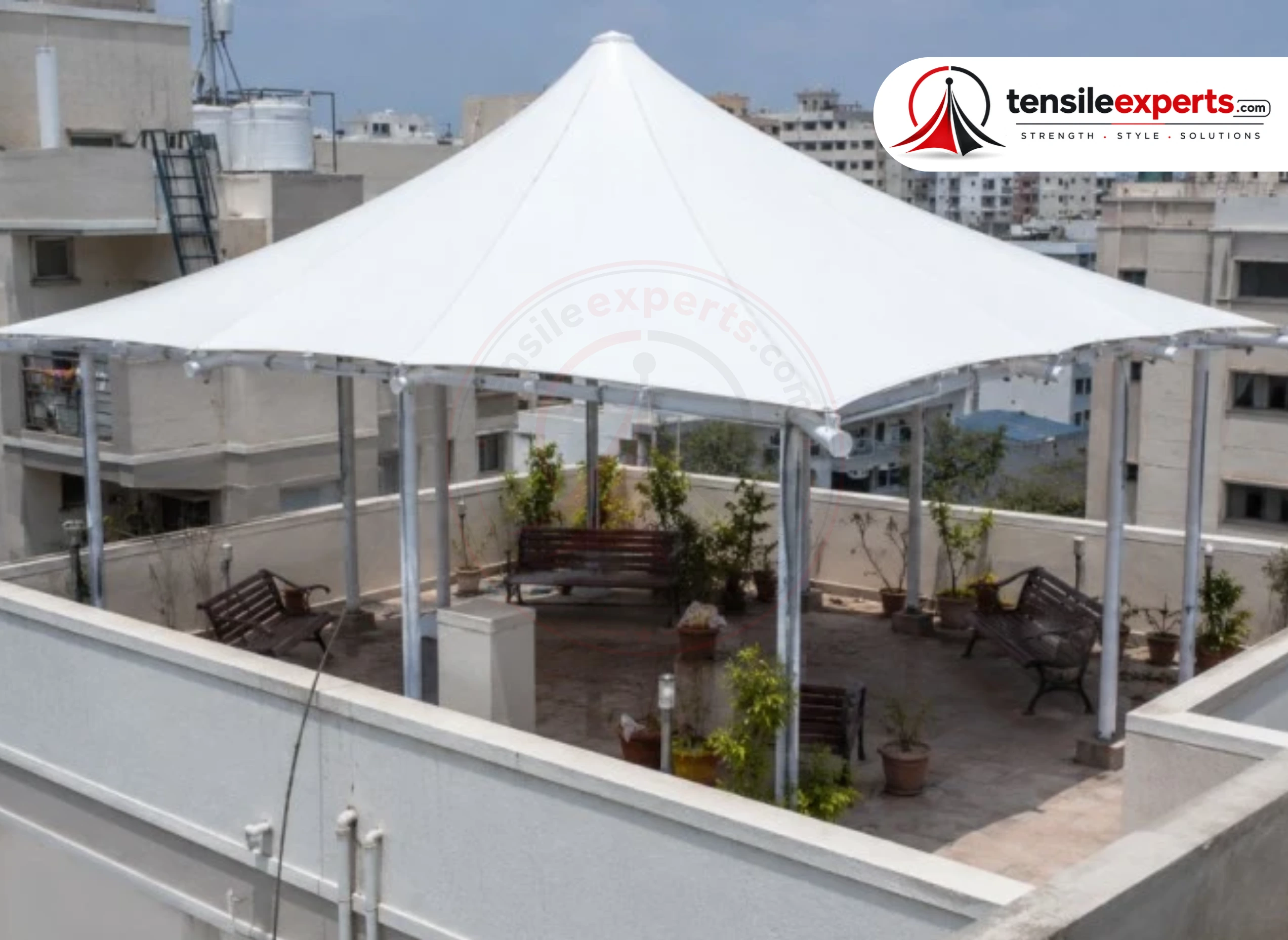
A pergola's open-frame design is deliberate — you choose how much fabric coverage vs. open-sky feel you want, from mostly-open to mostly-covered. A gazebo is typically fully fabric-covered by default, giving more consistent shade but less of the airy, partially-open character a pergola offers.
Sizing & Specifications, Side by Side
| Spec | Pergola | Gazebo |
|---|---|---|
| Typical Span / Size | 3m–10m | 3m–8m diameter/side |
| Typical Height / Clearance | 2.4m–3.5m | Mast height 2.5m–4m |
| Structural Form | Open frame, partial/full fabric cover | Conical or pyramid, freestanding |
| Foundation | Integrated with existing decking/patio where possible | Standalone post footing |
Fabric Grade — Does It Differ?
No — both use PVC as the standard, cost-effective grade, with PTFE available on either for a longer service life. This isn't where these two products differ; the choice between them comes down to footprint and coverage style, covered above.
Cost Comparison
Size and fabric grade drive cost more than the pergola-vs-gazebo choice itself. That said, a gazebo's fully-covered design generally uses more fabric than an equivalent-sized open-frame pergola, which can nudge cost slightly higher for a similar footprint.
Tensile Pergola Structure — From ₹320/sq.ft.
See our gazebo structure page for its current starting price too.Full Comparison Table
| Aspect | Pergola | Gazebo |
|---|---|---|
| Footprint | Attached to/integrated with a deck | Freestanding, standalone |
| Coverage | Open-frame, partial or full fabric | Typically fully covered |
| Best Setting | Existing patio, terrace, or deck | Garden, resort, or lawn feature |
| Feel | Open, airy, adjustable shade level | Enclosed, consistent full shade |
| Existing Surface Needed | Yes — integrates with decking/patio | No — standalone footing |
| Fabric Grade | PVC standard, PTFE available | PVC standard, PTFE available |
Which One Do You Need?
| If... | Choose |
|---|---|
| You already have a patio or deck wanting shade | Pergola |
| You want a standalone garden or lawn feature | Gazebo |
| You want adjustable open-vs-covered shade | Pergola |
| You want consistent full shade, walk-in style | Gazebo |
Still not sure? Tell us about your space and we'll recommend one during the initial discussion, or see our broader shade & cover structures guide covering all 5 related types.
Our Process, Step by Step
| Step | What Happens |
|---|---|
| 1. Initial Discussion | A call or site visit to understand your space — existing deck vs. open garden. |
| 2. Site Assessment | Placement, existing-surface integration (pergola) or standalone footing (gazebo) check. |
| 3. Design & Fabric Recommendation | Coverage style and fabric grade proposed to fit your setting. |
| 4. Quote & Sign-Off | A site-specific quote confirmed before fabrication begins. |
| 5. In-House Fabrication | Cutting, welding, and frame preparation carried out by our own team. |
| 6. Installation | On-site erection and tensioning, integrated with your existing deck if a pergola. |
| 7. Handover & After-Sales | Final inspection with you, followed by ongoing maintenance support. |
Maintenance
Both need the same core care — periodic cleaning, re-tensioning, and hardware inspection. A pergola's frame-to-deck connection points are worth checking alongside the fabric; a gazebo's standalone footing is usually quicker to inspect given its independent, compact base. See our full maintenance guide for the complete checklist.
Related Guides




Available in Your City
We design, fabricate, and install both tensile pergolas and gazebos pan-India. Here's the pergola product page for several major cities to start with:
Not seeing your city? We install pan-India — get in touch to confirm coverage.
Explore by Product
See the full product directory for everything we design and fabricate.
Frequently Asked Questions
Still deciding between a pergola and a gazebo? Get in touch for a free site consultation.