


















Before any steel is cut or fabric is patterned, a tensile structure goes through a design process that's genuinely different from designing a conventional flat-roofed building — the membrane's shape isn't drawn freely, it's determined by physics. This guide walks through what actually happens at the design stage.
In This Guide
Form-Finding — Why Shape Isn't Drawn Freely
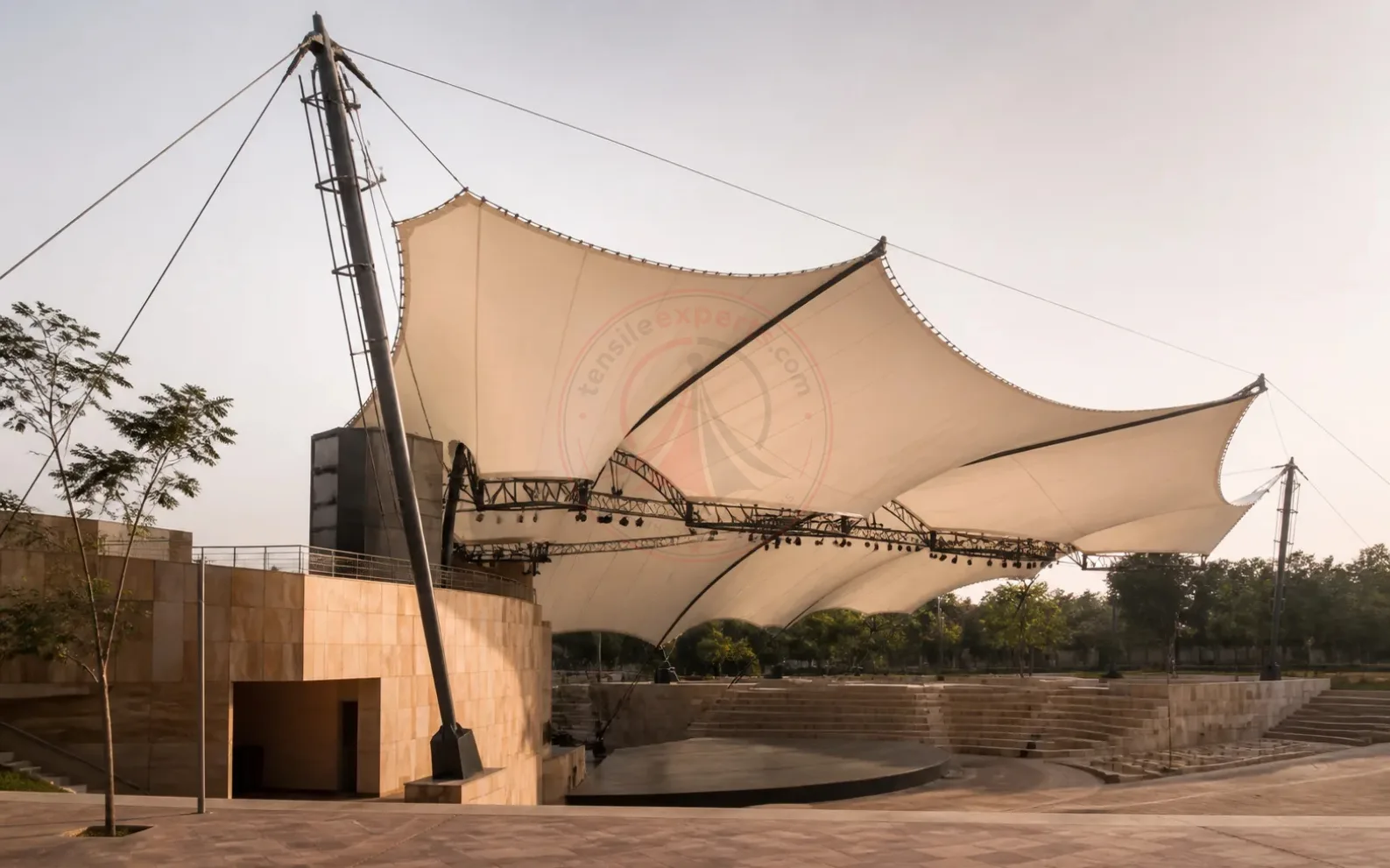
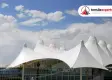
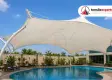
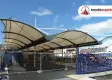
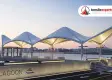
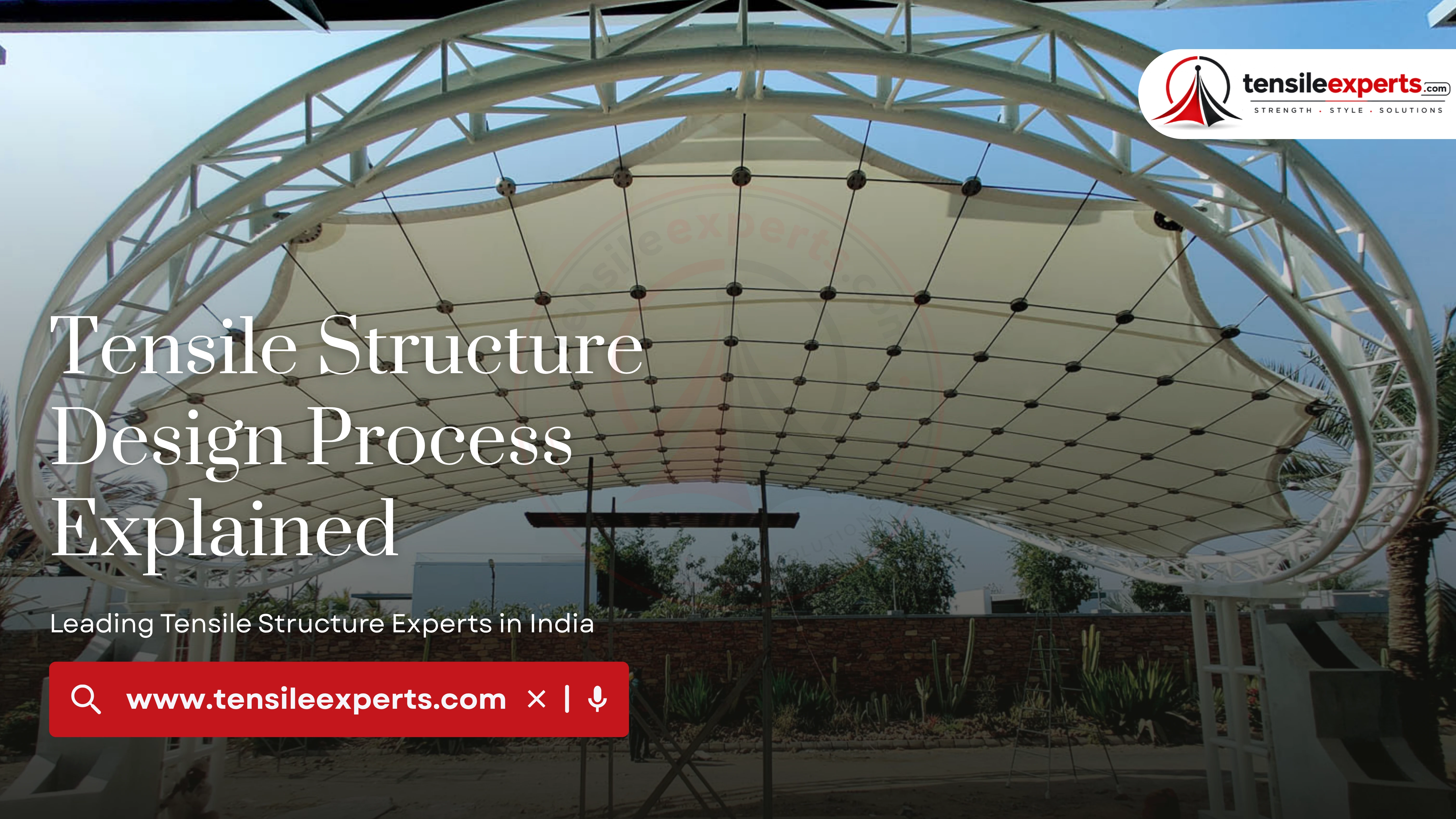
A tensile fabric membrane's curved, double-curvature shape isn't chosen arbitrarily on paper the way a flat roof outline might be — it's the direct result of the fabric's anchor points and the tension applied across it, worked out through a process called form-finding. This is what gives tensile structures their distinctive, efficient curved forms, and it's also what makes the shape structurally sound: the curvature itself is what lets the fabric resist wind and rain loads without sagging or ponding.
Load Analysis
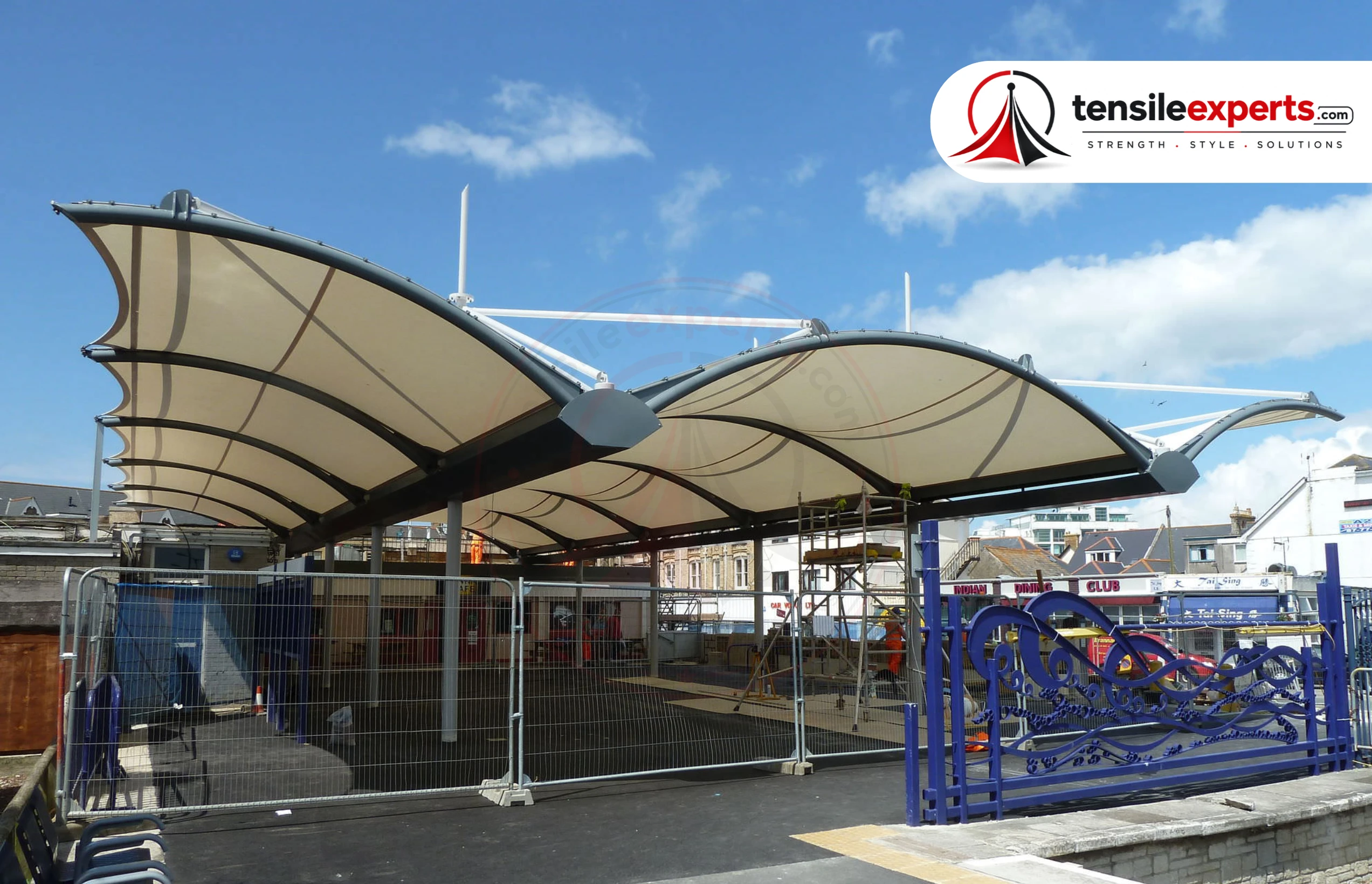
Once the form is established, the design is analyzed for the loads it will actually face — wind is the primary concern for most Indian sites, though snow load matters in some regions. See our wind load design guide for how this analysis works. This step confirms the frame, cables, and fabric can handle real conditions before any fabrication begins — not something checked after the fact.
Load analysis is also where the site's own conditions genuinely feed back into the design — a coastal site with sustained high winds and an inland site with occasional gusts don't get treated identically, even for an otherwise similar structure. This is one of the concrete reasons two projects that look alike on paper can end up with meaningfully different structural specifications once the real analysis is done.
Fabrication Patterning
Once the form and loads are confirmed, the curved 3D membrane shape has to be translated into flat fabric panel patterns that, once seamed together and tensioned on-site, recreate that exact engineered curvature. This patterning step is a genuinely technical part of tensile design — get it wrong and the finished membrane won't tension evenly, even if the steel frame and form-finding were correct.
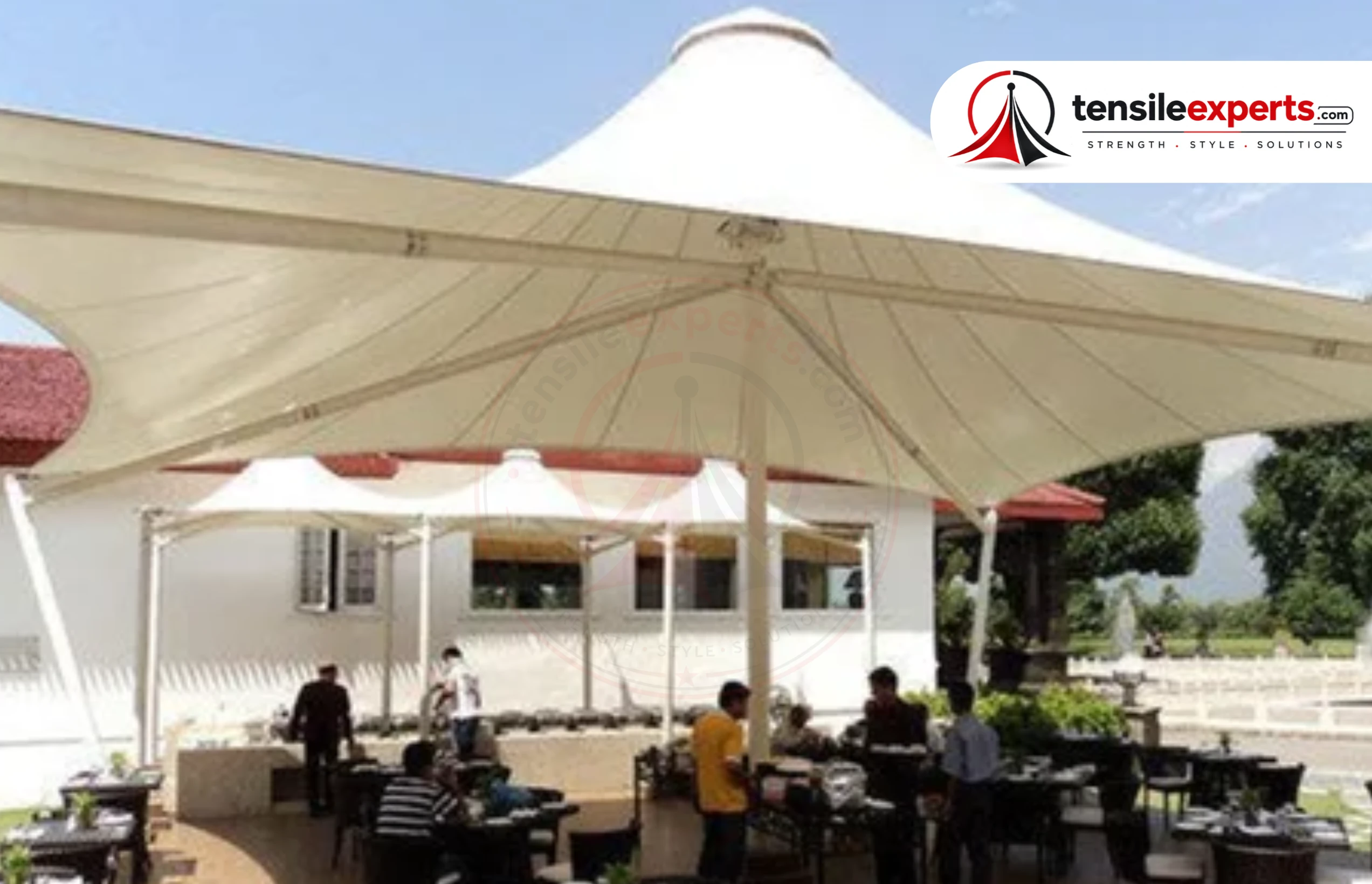
Panel layout also affects the finished structure's visible seam lines, which is part of why tensile structures often have a distinctive, intentional-looking pattern of curves and creases on the fabric surface — that's not a flaw, it's a direct visual signature of how the panels were cut and joined to achieve the engineered shape.
Final Drawings and Review
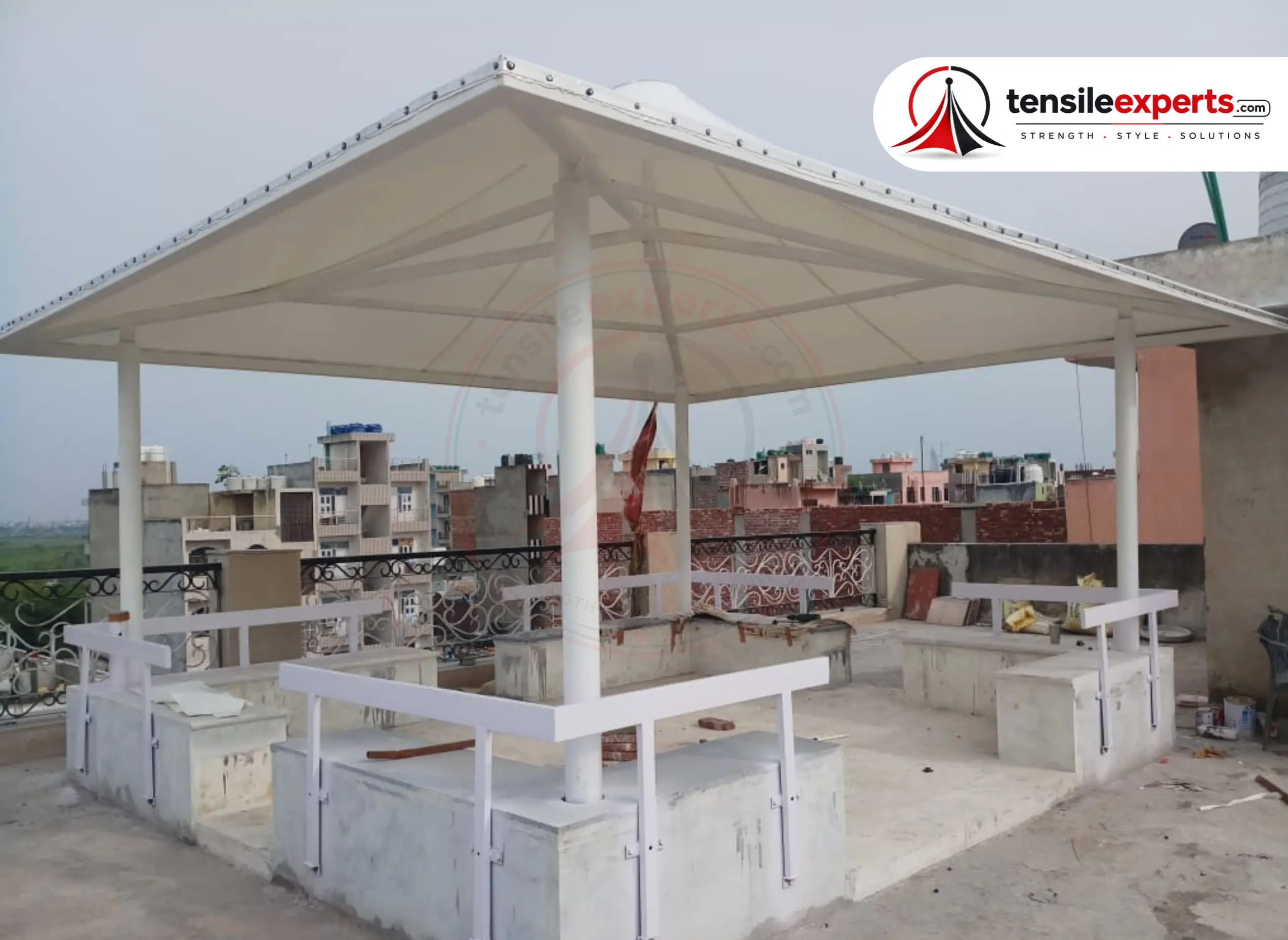
Before fabrication starts, final drawings and specifications — dimensions, fabric grade, structural details — should be reviewed and confirmed with you. This is the point to catch and correct anything before physical materials are committed, which is far easier and cheaper than making changes once fabrication or installation is underway.
This is also a reasonable stage to ask questions if anything in the drawings isn't clear — a genuine design process should be able to explain why a particular span, fabric grade, or foundation approach was chosen, not just present a finished drawing for sign-off. See our questions to ask guide for more on what a transparent process should look like.
Related Guides



From Design to Build
Once drawings are confirmed, the project moves into actual fabrication and installation — see our installation process guide for what happens next, from foundation work through fabric tensioning.
The Design Process at a Glance
With each stage explained above, here's the sequence as a quick reference:
| Stage | What Happens |
|---|---|
| 1. Form-Finding | The membrane's curved shape is derived from anchor points and tension, not drawn freely |
| 2. Load Analysis | The form is checked against wind and, where relevant, snow loads |
| 3. Fabrication Patterning | The curved 3D form is translated into flat panels that recreate it once tensioned |
| 4. Final Drawings & Review | Dimensions and specifications are confirmed with you before fabrication starts |
Explore by Product



See the full product directory for everything we design and engineer.
Frequently Asked Questions
Ready to start the design process for your project? Get in touch.