


























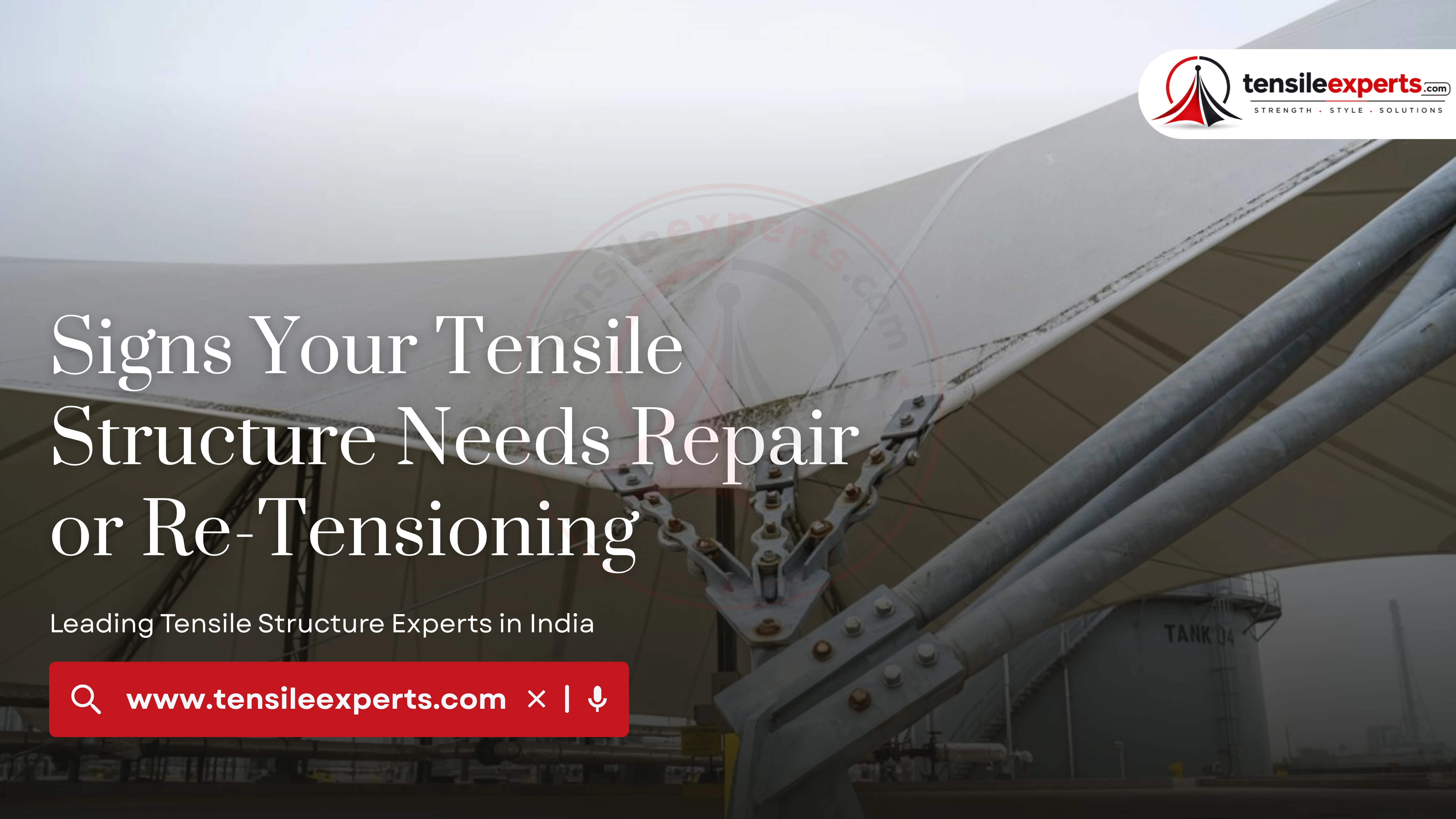
Most tensile structure problems don't appear suddenly — they show real, visible warning signs well before they become serious, if you know what to actually look for. This guide covers the specific signs that mean it's time to call for a professional assessment, rather than waiting for the next scheduled check.
In This Guide
Sagging and New Low Points
A tensile structure's engineered curve is normal and intentional — what's worth noticing is a NEW low point or sag that wasn't there before, since that usually means tension has loosened in that area. Comparing against how the structure looked when it was new, or against photos if you have them, is a genuinely useful way to spot this kind of gradual change.
Visible Ponding
Standing water collecting on the fabric — rather than running off as designed — adds real weight and stress the structure wasn't continuously loaded to handle, and it's one of the more urgent signs on this list. Ponding tends to worsen over time rather than resolve on its own, since the low point that's collecting water also makes it easier for more water to collect there next time.
Fabric Wear and Small Tears
Small tears, fraying at seams, or fabric that looks visibly thinner or more brittle in one spot than the rest of the structure are all worth flagging early. A small, early-caught tear is often genuinely repairable without needing to replace a full panel — which is exactly why catching it during a routine check matters more than the tear's actual size.
Hardware Warning Signs
Visible rust or corrosion on cable connections, hardware that looks loose or has visibly shifted position, and fraying at cable ends are all real warning signs — these are structural, not cosmetic, and worth a professional assessment rather than waiting for the next scheduled check.
Related Guides



When to Call for a Professional Assessment
Any of the signs above — a new low point, visible ponding, fabric wear beyond light surface soiling, or hardware corrosion — is worth a professional look rather than a wait-and-see approach. Re-tensioning specifically needs to be done to the structure's original engineered specification, so this isn't a task to attempt yourself even if the fix seems simple.
The Signs at a Glance
With each sign explained above, here's the quick-reference version:
| Sign | What It Usually Means | Urgency |
|---|---|---|
| New sag or low point | Tension has loosened in that area | Schedule an assessment soon |
| Visible ponding | Water collecting instead of draining | Fairly urgent |
| Small tear or fraying | Localized fabric wear | Address before it spreads |
| Hardware corrosion or looseness | Structural connection issue | Professional assessment needed |
See our maintenance checklist for the routine checks that catch these signs early, and our service life guide for how long a well-maintained structure should genuinely last.
Explore by Product

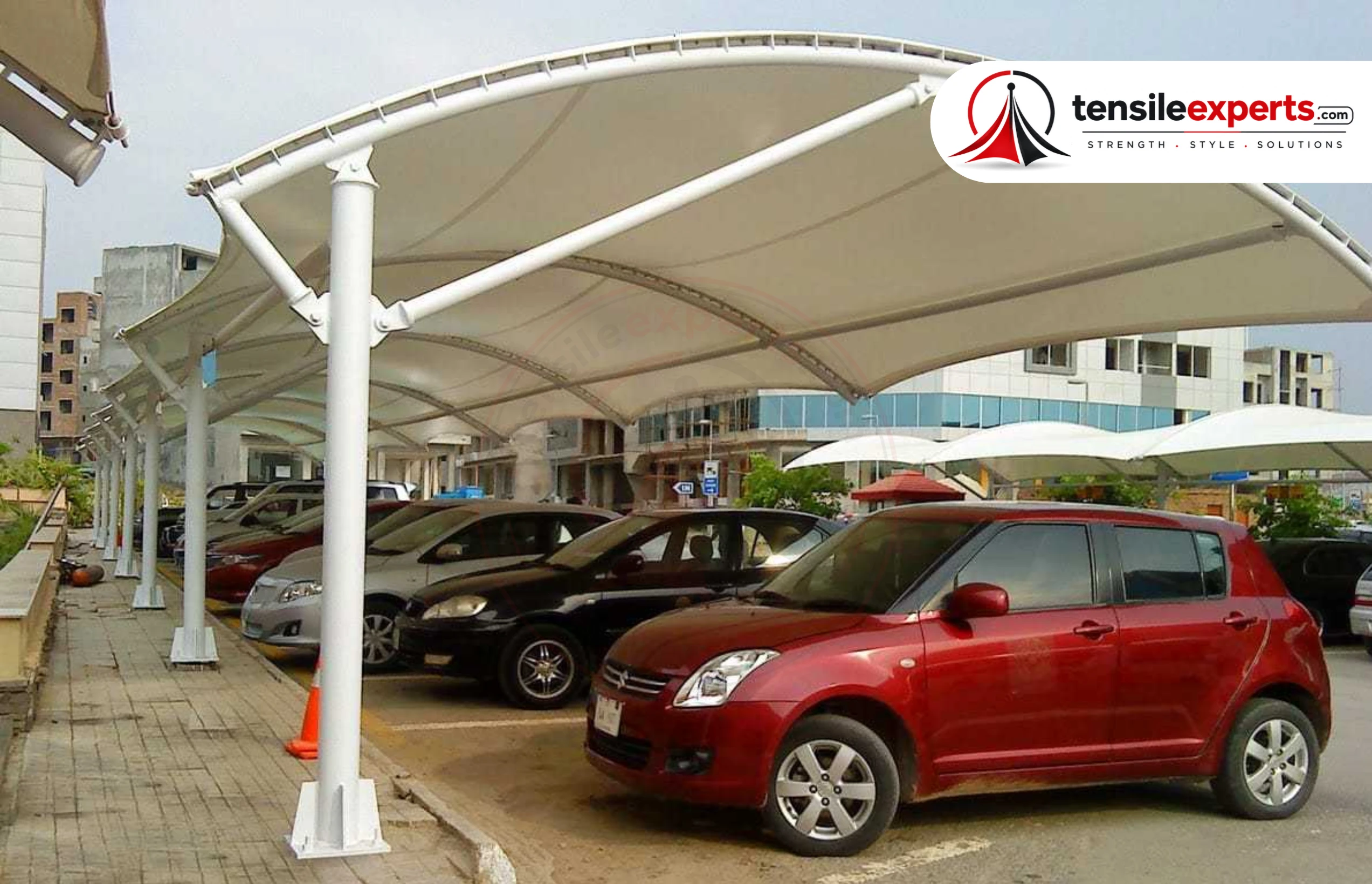
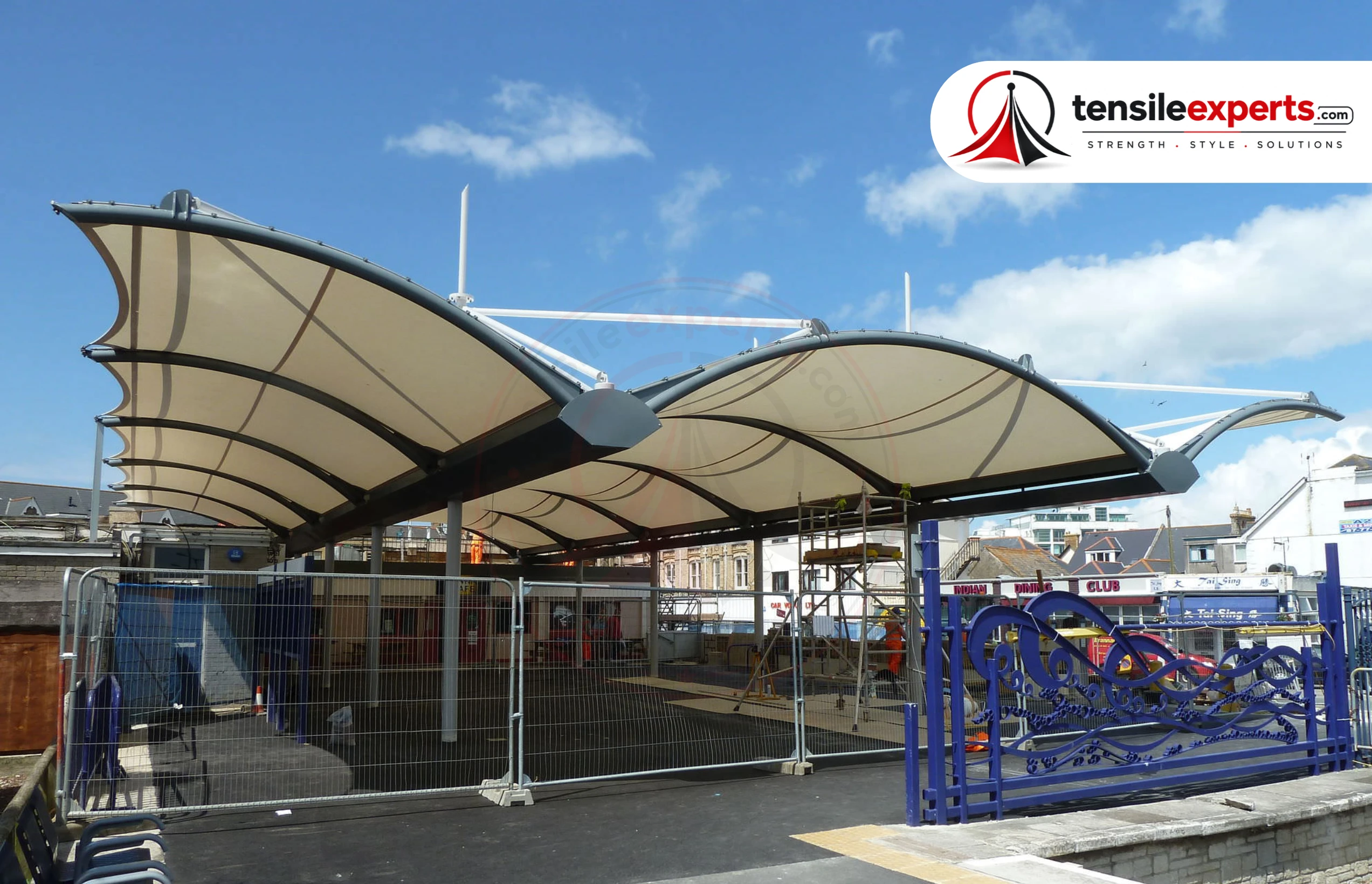
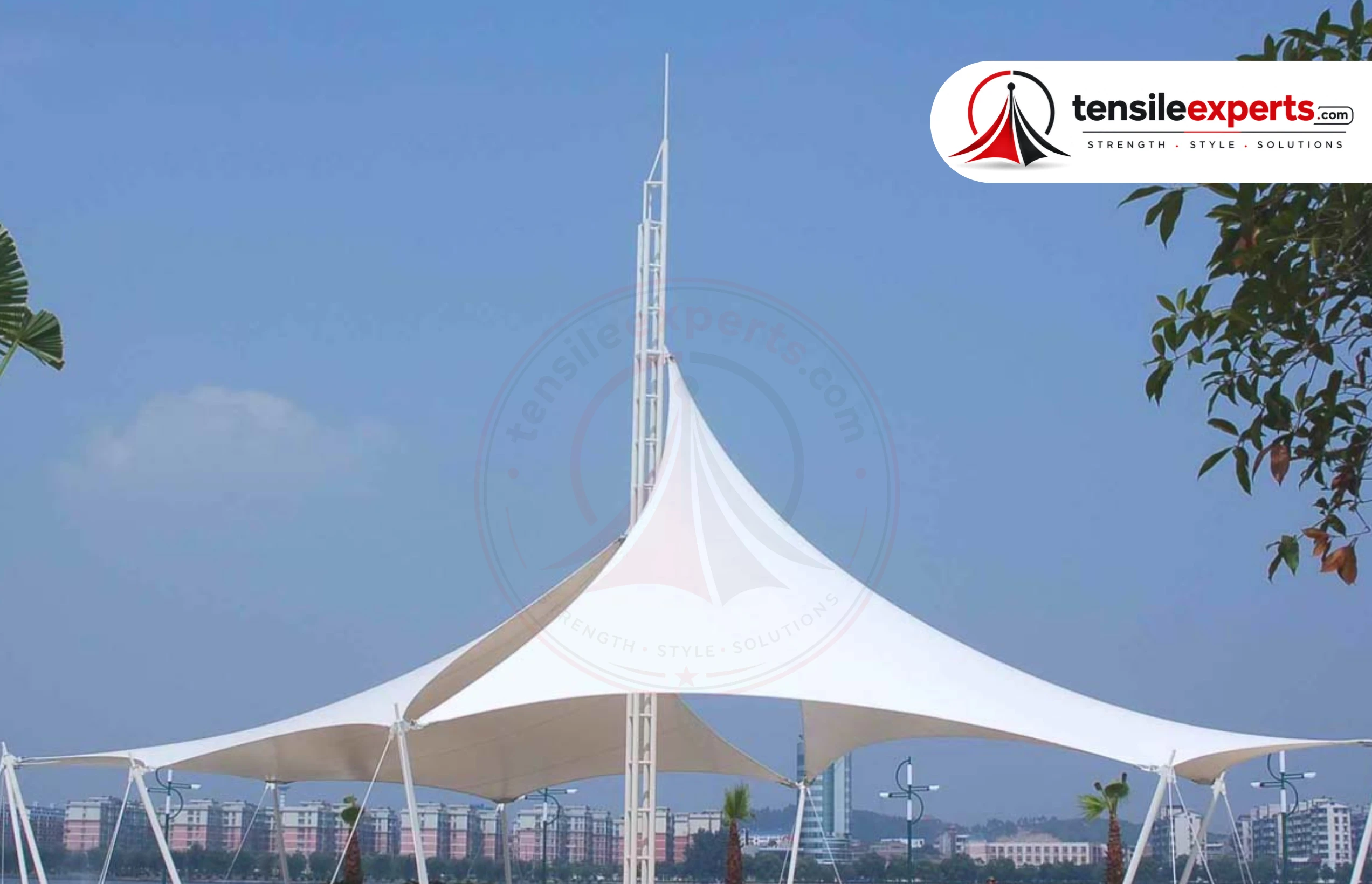
See the full product directory for everything we design and fabricate.
Frequently Asked Questions
Noticed any of these signs on your structure? Get in touch for a professional assessment.